Alright, so let’s talk reasoning. You know, that thing we all think we’re doing when we try to make sense of stuff?
Este blog ofrece contenido únicamente con fines informativos, educativos y de reflexión. La información publicada no constituye consejo médico, psicológico ni psiquiátrico, y no sustituye la evaluación, el diagnóstico, el tratamiento ni la orientación individual de un profesional debidamente acreditado. Si crees que puedes estar atravesando un problema psicológico o de salud, consulta cuanto antes con un profesional certificado antes de tomar cualquier decisión importante sobre tu bienestar. No te automediques ni inicies, suspendas o modifiques medicamentos, terapias o tratamientos por tu cuenta. Aunque intentamos que la información sea útil y precisa, no garantizamos que esté completa, actualizada o que sea adecuada. El uso de este contenido es bajo tu propia responsabilidad y su lectura no crea una relación profesional, clínica ni terapéutica con el autor o con este sitio web.
Sometimes it feels like we’re just piecing together a jigsaw puzzle in our heads, right? But what if I told you there are some key concepts that can help clean up the chaos?
Seriously, these ideas can make a world of difference. They’re not just for philosophers or psychology nerds; they’re for everyday life.
Imagine making decisions with confidence instead of second-guessing yourself all the time. Sounds good, doesn’t it? So stick around and let’s break it down together!
Essential Topics in Reasoning: A Comprehensive Guide to Understanding Cognitive Processes
Understanding cognitive processes can be pretty mind-blowing, you know? Reasoning is a big part of that. It’s how you make decisions and solve problems. Let’s break down some essential topics so you can wrap your head around this.
Types of Reasoning
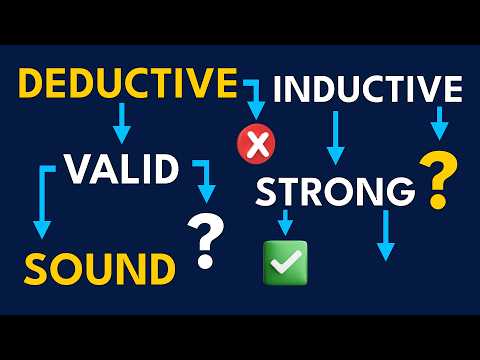
There are basically two main types of reasoning: deductive and inductive.
- Deductive reasoning starts with a general statement and leads to a specific conclusion. Think about it like this: “All birds have wings. A sparrow is a bird, so it must have wings.” Pretty straightforward!
- Inductive reasoning, on the other hand, begins with specific observations and moves toward a broader generalization. If you notice that the sun rises every morning, you might conclude that the sun always rises in the east.
Each type has its place in everyday life, from solving puzzles to making choices about what to eat!
Cognitive Biases
Have you ever made a decision based on something that didn’t really make sense? That’s often due to cognitive biases. These are mental shortcuts our brains take which can lead us astray.
- Confirmation bias: This happens when you only look for information that supports what you already believe. If you think video games are bad for kids, you might ignore studies showing benefits.
- Anchoring bias: This is when an initial piece of information holds too much influence over your thinking. Like if someone tells you a game costs $60 and then it goes on sale for $50; you’ll see it as a steal even though it may still be overpriced!
Understanding these biases can help in making better decisions by challenging your own thoughts.
Syllogisms and Logical Fallacies
Ever heard the term “syllogism”? It’s kind of like the math of arguments! A syllogism is where you have two premises leading to a conclusion. For example:
– Premise 1: All humans are mortal.
– Premise 2: Socrates is a human.
– Conclusion: Therefore, Socrates is mortal.
But watch out! There are also logical fallacies—errors in reasoning that lead to faulty conclusions.
- Post hoc fallacy:This one happens when someone assumes because one event happened after another, the first one caused the second.
- Straw man fallacy:This happens when someone misrepresents an argument to make it easier to attack.
Recognizing these helps sharpen your thinking skills.
The Role of Emotions in Reasoning
You might not think emotions play into reasoning but they totally do! When you’re faced with decisions, emotions can cloud judgment or even enhance creativity.
Imagine playing a game where victory feels amazing or failure stings deeply; those feelings influence how you decide next time around. Sometimes when emotions run high—like during an argument—you might just jump into conclusions without thinking them through properly!
Critical Thinking Skills
Improving your reasoning skills boils down to honing your critical thinking skills. Here’s how:
- Acknowledge your biases:Being aware of them lets you step back and reassess opinions.
- An argument should have evidence:
- Ask questions:
Treat each debate like solving clues in detective games—question everything until you’ve got the facts straight!
So there’s so much going on behind how we think and reason every day. Whether we’re solving puzzles or navigating life choices, understanding these aspects helps us become sharper thinkers—and that’s priceless! And remember, if things get too overwhelming or complicated emotionally, reaching out for professional help can really make all the difference.
The Toughest Topics in Reasoning: Understanding Cognitive Challenges and Their Impact
Cognitive challenges in reasoning can be a real brain buster, right? It’s that moment when you’re trying to solve a puzzle or make a tough decision and your mind kinda feels like it’s running in circles. Understanding these challenges can help you navigate life’s tricky situations a bit better.
Let’s unpack some of the heavy hitters in this area.
Cognitive Biases
You know how sometimes you just seem to see what you want to see? That’s basically what cognitive biases are. These are mental shortcuts your brain takes that can lead to errors in judgment. For example, the confirmation bias is when you favor information that backs up your existing beliefs while ignoring contradicting evidence. Picture this: You’re playing your favorite video game, and you keep telling yourself you’re the best player ever, even when the scoreboard says otherwise!
- Anchoring Bias: This happens when you rely too heavily on the first piece of information you get—like, if someone tells you that a shirt is 50% off but doesn’t mention its original price, it might skew your perception of its value.
- Availability Heuristic: This is thinking something is more likely because you’ve heard about it more often. Like, if your friend mentions shark attacks a lot, you’ll probably think they happen way more than they actually do.
Logic and Reasoning Errors
Sometimes our brains just falter on logic. You might be faced with syllogisms or other logical structures—essentially puzzles for your brain. A classic example would be: “All cats are animals; all animals have four legs; therefore, all cats have four legs.” But wait! What about those three-legged cats? You see how things get fuzzy here?
- Dichotomous Thinking: It’s pretty common to think in black-and-white terms. You might believe you’re either successful or a total failure—no middle ground!
- Overgeneralization: If something bad happens once, like losing a board game to your little sibling after dominating them for weeks, it doesn’t mean you’ll lose every time!
The Role of Emotions
Your feelings can throw a serious wrench into rational thinking too! Emotions can cloud judgment—when you’re stressed or angry, logic tends to take a backseat. Ever tried making decisions while hangry (that hunger + anger combo)? Yeah… not pretty.
It’s not just personal life stuff; emotional reasoning can come into play during negotiations or debates too! If you’re feeling emotional about an issue, like climate change or health care—as many do—you might overlook some crucial facts in the heat of the moment.
The Impact on Daily Life
These cognitive hurdles don’t just exist in textbooks—they show up everywhere! Whether you’re making decisions at work or chatting with friends about who should win that new game release, understanding these patterns helps put things into perspective.
And hey—understanding this isn’t about becoming perfect at reasoning; it’s more like getting familiar with where we trip up. You might still catch yourself in those logical traps sometimes—or get swept away by emotions—but recognizing them is half the battle!
So if anything from this resonates with you and you’ve got concerns about reasoning issues impacting your life significantly—it could be time to look for support from someone who knows their stuff professionally.
All said and done, cognitive challenges might feel tough at times but embracing them as part of being human can lighten the load!
Exploring the Key Chapters in Reasoning: A Comprehensive Guide
You know, reasoning is something we do all the time, but have you ever thought about how it works? It’s kind of like a mental gym where you flex your brain and get those thinking muscles in shape! Let’s break down some key concepts related to reasoning.
What is Reasoning?
At its core, reasoning is how we think about things and come to conclusions. There are two main types: deductive and inductive. With deductive reasoning, you start with a general statement and figure out specific instances that fit. For example, if all dogs are mammals and Fido is a dog, then Fido must be a mammal. Easy peasy!
On the flip side, you’ve got inductive reasoning. This one starts with specific observations to reach a general conclusion. Imagine you notice that the sun has risen in the east every morning of your life; so you might conclude that it always rises in the east. But remember, this isn’t foolproof!
Logical Fallacies
Now, while you’re reasoning away, watch out for those sneaky logical fallacies! They’re like tricksters trying to mess up your thinking process. Here are a few common ones:
- Ad Hominem: Attacking the person instead of their argument.
- Straw Man: Misrepresenting someone’s argument to make it easier to attack.
- Slippery Slope: Suggesting that one small step will lead to catastrophic outcomes.
For instance, let’s say during an argument about video games someone says “You can’t trust her opinion on gaming because she doesn’t play as much as others.” That’s an Ad Hominem fallacy—it has nothing to do with her actual point!
Cognitive Biases
Ever heard of cognitive biases? Yeah—they’re like lenses that color how we see things! These biases can lead us astray when we’re trying to make sound decisions. A classic example? The confirmation bias. This happens when you only pay attention to info that supports what you already believe while ignoring anything contradictory.
Imagine you’re convinced pineapple belongs on pizza (which—spoiler alert—it does!). You might only read articles praising this delicious combination, dismissing all those pineapple-haters out there.
The Role of Emotions in Reasoning
Believe it or not, our emotions play a huge role in how we reason through things! When we’re feeling good or calm, we’re more likely to think clearly and logically. But when emotions run high—like anger or sadness—our ability to reason can go out the window.
I remember once getting into an intense debate with a friend over whether cats or dogs were better pets. I was so wound up about my love for dogs that I couldn’t even hear his points about cats’ independence! That’s a real example of emotions clouding judgment.
The Importance of Critical Thinking
So where does critical thinking fit into all this? Well, it’s basically your ability to analyze facts objectively before forming judgments. It involves questioning assumptions and evaluating evidence.
Picture playing chess: each move requires careful thought about potential outcomes rather than just going for immediate satisfaction by capturing pieces without strategy.
In essence—whether you’re solving problems at work or figuring out which movie to watch next—improving your reasoning skills helps you make better decisions.
That said though—remember this isn’t professional advice; if you’re struggling with decision-making or thought patterns seriously affecting your life, reaching out for help from a mental health professional might be wise! That’s the good stuff right there: knowing when you need support.
So next time you’re deep in thought or caught up in debate—just keep these concepts in mind! They might help shine some light on your reasoning journey.
You know when you’re trying to figure something out, and suddenly it all clicks? That’s kind of how reasoning feels—like a light bulb goes on in your brain. I mean, thinking about reasoning makes me remember when I was stuck on a tricky math problem back in school. I was staring blankly at the page, feeling totally lost. Then, my teacher asked me to break it down step by step. It was like someone had turned the lights on!
So, let’s chat about what’s actually behind this whole reasoning thing. The heart of it is just about making sense of stuff and figuring out conclusions from what you know, right? There’s deductive reasoning, where you start with general ideas and zoom in to specific conclusions. Think Sherlock Holmes connecting the dots between clues to solve a mystery—or you hitting up Google for that perfect pizza place after a long day.
Then there’s inductive reasoning, which feels more like wearing your investigator hat and gathering evidence from individual cases to form broad ideas. Like if you notice every time your friend eats peanut butter cookies he gets hyper—after a while, you start thinking maybe there’s something magical in those cookies! This type of reasoning is super useful when we don’t have all the facts but still want to make educated guesses.
Now, let’s not forget that reasoning also has its quirks. Sometimes we let emotions sneak in or get sidetracked by biases—those sneaky little filters that make us see things through our own subjective lens. You might be convinced one band is better than another simply because that band helped you through tough times—totally understandable! But it can lead us away from clear-headed decision-making.
You know what? Reflecting on all this reminds me that life is basically one giant puzzle where we piece together experiences and knowledge to navigate our way through the chaos. Whether it’s figuring out a work dilemma or deciding what movie to watch with friends tonight, our reasoning abilities are constantly at play.
Anyway, as we grind through each day and face choices big or small, remember that our minds are these incredible machines processing info all the time—so give yourself some credit when things don’t add up right away! Sometimes you just gotta take a step back and let those light bulbs flicker on when they’re ready.