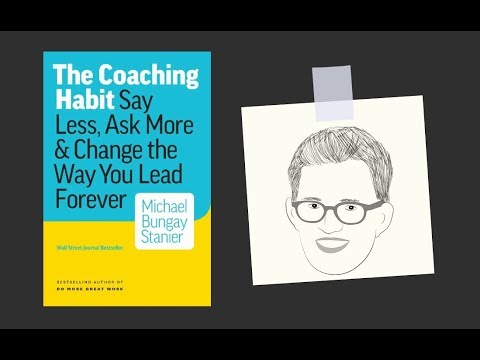
You know what? We all want success, right? But sometimes it feels like we’re just spinning our wheels.
Este blog ofrece contenido únicamente con fines informativos, educativos y de reflexión. La información publicada no constituye consejo médico, psicológico ni psiquiátrico, y no sustituye la evaluación, el diagnóstico, el tratamiento ni la orientación individual de un profesional debidamente acreditado. Si crees que puedes estar atravesando un problema psicológico o de salud, consulta cuanto antes con un profesional certificado antes de tomar cualquier decisión importante sobre tu bienestar. No te automediques ni inicies, suspendas o modifiques medicamentos, terapias o tratamientos por tu cuenta. Aunque intentamos que la información sea útil y precisa, no garantizamos que esté completa, actualizada o que sea adecuada. El uso de este contenido es bajo tu propia responsabilidad y su lectura no crea una relación profesional, clínica ni terapéutica con el autor o con este sitio web.
Ever thought about how coaching could change the game for you? Seriously! It’s more than just a buzzword.
Imagine having someone in your corner, pushing you to do better, and helping you see things differently.
That’s powerful stuff! So let’s chat about building that coaching habit.
It can actually make a difference in your life, whether it’s in your job, relationships, or just figuring out what makes you tick.
Ready to dive into this together? Awesome! Let’s get started!
Discover the 4 Key Habits of Effective Coaching for Maximum Impact
Building a Strong Coaching Habit for Success involves a few key habits that can really make a difference. Whether you’re coaching in sports, business, or life, these habits are like the magic sauce that helps you connect with others and guide them effectively. Ready to dig in? Here’s what you need to know:
- Active Listening: This one’s huge! It’s not just about hearing words; it’s about truly understanding what the other person is saying. Imagine you’re chatting with a friend who’s going through a tough time. Instead of jumping in with your own stories, you focus on their feelings and thoughts. For coaching, this means giving your full attention—put your phone down and look the person in the eye. You might catch nuances they didn’t even say out loud!
- Asking Powerful Questions: The right questions can open doors to deeper insights. Think of it like playing chess; each question is a move that leads to a bigger strategy. Instead of saying, “What did you do wrong?” try asking, “What could you have done differently?” This shifts the focus from blame to growth, allowing for creative problem-solving.
- Giving Constructive Feedback: Feedback isn’t just pointing out mistakes; it’s about helping someone grow. Kind of like leveling up in a video game! Highlight what they did well before diving into areas for improvement—this keeps motivation high. For example, if someone missed an important target at work but showed great teamwork, say something like, “I loved how you collaborated with everyone! Let’s brainstorm how you can also meet those targets next time.”
- Cultivating Empathy: Empathy is key in effective coaching. It allows you to connect on a human level. Picture this: You’re coaching someone who just lost an important match or presentation (ouch!). Instead of just telling them to shake it off and try again, recognize their disappointment first before encouraging them to move forward. It’s about showing that you get their struggle.
All these habits help build trust and rapport between coach and coachee—this is essential for creating an environment where people feel safe to learn and grow.
Remember though, while these habits are super effective for coaching success, they shouldn’t replace professional help when it’s needed; sometimes issues run deeper than we can navigate alone.
So give these habits a go! They could be just what you need to enhance your coaching game and make a real impact on those you’re guiding.
Understanding the 7 Pillars of Coaching: Key Concepts for Effective Coaching Practices
Well, if you’re into coaching or even just curious about it, there’s this idea floating around about the “7 Pillars of Coaching.” It’s super helpful if you want to build a strong coaching habit that can lead to success. Let’s break them down so you can see what I mean.
1. Clarity of Purpose
First off, having a clear purpose is key. You need to know why you’re coaching and what you want to achieve. Think of it like playing soccer: if the goal isn’t defined, how will players know where to aim? Coaching without purpose is like a game without rules—confusing and chaotic.
2. Building Trust
Next up is trust. Establishing trust with your clients or team is crucial. It’s kinda like when you play on a sports team; if your teammates don’t trust each other, nothing gets done right! Encourage open communication and be genuine—this creates a safe space for growth.
3. Active Listening
Then we have active listening. This means really tuning in when someone talks, not just waiting for your turn to speak! Imagine a basketball coach listening intently to player feedback during a tough game; it builds understanding and helps in making better game plans.
4. Powerful Questioning
Now onto powerful questioning! Asking the right questions can unlock doors to insights you never knew existed. It’s almost like playing an RPG where asking the right questions leads to new quests and challenges. The more thought-provoking your questions are, the deeper those conversations can go!
5. Accountability
Accountability is huge for both coaches and clients. Keeping each other accountable helps track progress and ensures everyone stays on course towards goals. Think about it: when teammates hold each other responsible for their positions during a match, that teamwork makes all kinds of victory possible!
6. Growth Mindset
A growth mindset is essential in any coaching dynamic too! Cultivating an attitude where failure isn’t viewed as the end but rather as stepping stones toward mastery can be liberating—like leveling up in a video game after failing multiple times before finally defeating that boss!
7. Continuous Feedback
Last but not least is continuous feedback—which keeps everyone moving forward and improving constantly! Just like coaches do reviews after games, sharing constructive criticism helps refine skills and strategies over time.
So there ya have it! Those seven pillars serve as a solid foundation for effective coaching practices while allowing people—or teams—to reach their goals successfully! Just remember, these aren’t magic bullets that replace professional help when needed; they’re more like guidelines for creating meaningful connections and growth experiences.
This way of coaching isn’t just beneficial; it’s essential for fostering an environment of support and encouragement too! So think about what pillar stands out most for you—maybe it’s time to strengthen that aspect in your own practice!
You know what? Building a strong coaching habit can really transform your life. There’s something about being coached or coaching someone that just clicks, right? It’s like having a buddy who’s got your back and pushes you to be your best self. I remember a time when I was totally clueless about some big decisions in my life. A friend took the time to sit down with me, ask the right questions, and boom! I felt clarity wash over me. It was amazing how a little guidance could change everything.
So, here’s the thing: coaching isn’t just about giving advice. It’s more like drawing out the best in people—helping them find their own answers. You might think you have to be some kind of guru to make it work, but nah! It really starts with listening and asking good questions.
When you develop a coaching habit, you’re not only helping others see their potential; you’re also growing yourself. Seriously! Each conversation can help you reflect on your own experiences and decisions too. When you listen deeply, you might catch insights that resonate with you as well.
To make this habit stick, it helps to create routines around it. Maybe set aside time each week for those conversations—be it friends or colleagues. Like carving out a coffee date where the focus is all about growth and exploration instead of just chit-chatting about the weather.
And hey, don’t forget to celebrate those small wins! They matter more than you think. Sometimes, after a session of coaching someone through their struggles, I find myself feeling pumped up too—like their victories are mine in some way.
Building this habit can lead to some serious success down the line; not just for those you’re coaching but for yourself too! So why not give it a shot? You never know who you’ll inspire along the way—or what kind of motivation you’ll find for yourself in the process! Quite the win-win scenario if you ask me!