You know what? Exercise isn’t just for getting ripped or fitting into those jeans you love. It’s like a secret weapon for your brain, too!
I mean, seriously, think about those days when you just don’t feel right. You hit the gym—or maybe just go for a walk—and suddenly things feel… different. Lighter, even.
Este blog ofrece contenido únicamente con fines informativos, educativos y de reflexión. La información publicada no constituye consejo médico, psicológico ni psiquiátrico, y no sustituye la evaluación, el diagnóstico, el tratamiento ni la orientación individual de un profesional debidamente acreditado. Si crees que puedes estar atravesando un problema psicológico o de salud, consulta cuanto antes con un profesional certificado antes de tomar cualquier decisión importante sobre tu bienestar. No te automediques ni inicies, suspendas o modifiques medicamentos, terapias o tratamientos por tu cuenta. Aunque intentamos que la información sea útil y precisa, no garantizamos que esté completa, actualizada o que sea adecuada. El uso de este contenido es bajo tu propia responsabilidad y su lectura no crea una relación profesional, clínica ni terapéutica con el autor o con este sitio web.
That boost in mood? Yeah, that’s not a coincidence! There’s some cool science behind it, and it’s time we chat about it. So grab your sneakers, and let’s talk about how moving your body can totally change your mental game!
Scientific Benefits of Exercise on Mental Health: Understanding the Connection
There’s something special about getting your body moving, isn’t there? It’s almost like magic how a good workout can lift your spirits. Let’s chat about the scientific benefits of exercise on mental health and how it all connects. You might be surprised by just how powerful physical activity can be for your mind.
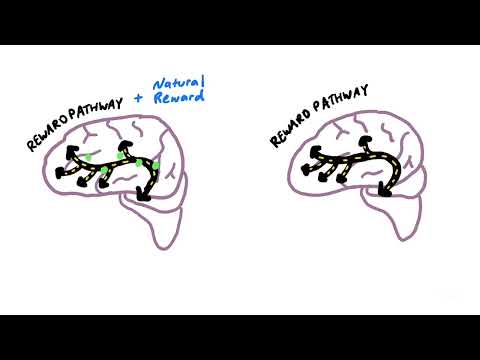
First off, let’s look at the basics. When you exercise, your body churns out some cool chemicals called endorphins. These guys are often dubbed “feel-good hormones.” They’re like a natural high helping to reduce feelings of stress and anxiety. And guess what? This is not just a feel-good notion; there are studies that back this up.
- Improved Mood: Regular physical activity can help alleviate symptoms of depression.
- Boosted Self-Esteem: Crushing personal fitness goals—even small ones—can help you feel more confident.
- Better Sleep: Exercise can promote deeper sleep, which is essential for emotional well-being.
- Cognitive Benefits: Getting active can improve concentration and memory. Your brain loves blood flow!
Think of it this way: when you play video games, you’re focused, right? Exercise works similarly by engaging your brain fully, pulling you into the moment. Have you ever gone on a run and felt the worries of the day fade away? That’s your brain sharpening its focus!
But wait! The benefits don’t stop there. Engaging in group sports or classes offers a double whammy for mental health because social connection is key too! You bond with others over sweat and hard work; it creates friendships, which help combat loneliness—a major player in poor mental health.
Now let’s talk about routine for a second—this is crucial. Establishing an exercise schedule gives structure to your day-to-day life. And that predictability can be super comforting when life’s feeling chaotic or overwhelming.
That said, it’s important to remember that not every day will be fantastic. Some days you’ll shine bright; other days might feel heavy like you’re stuck in quicksand. That’s totally normal! Just see it as part of the journey.
And hey, while we’re chatting about all these benefits, it’s important to keep in mind that exercise isn’t a replacement for professional help if you’re struggling with serious mental health issues. It’s more like a wonderful complement to therapy or medication—something to enhance your overall wellness.
So next time you’re feeling down or stressed out, consider going for a walk or hitting up that gym class. You could discover just how much better you feel afterward! It’s amazing what moving your body can do for your mind—seriously worth considering!
Top Exercises That Boost Mental Health: A Guide to Physical Activity for Well-Being
So, you know how you sometimes just feel a bit off? Maybe you’re a little anxious or just can’t shake off that gloomy feeling. Well, one of the best ways to give your mental health a boost is through exercise. Seriously! It’s not just about getting fit; it goes way deeper than that. When you get moving, your brain literally starts to work better. Let’s break down some exercises that can totally lift your spirits.
1. Cardio Workouts
Think running, cycling, or even brisk walking. Cardio is great for getting your heart pumping and it releases endorphins – those fabulous little chemicals that make you feel happy! Ever hear about runner’s high? Yeah, it’s real! One time I went for a short jog after a stressful day, and by the end of it, I felt like I could conquer the world!
2. Strength Training
Lifting weights isn’t just about building muscles; it can also help ease feelings of anxiety and depression. When you focus on lifting weights, you’re not just focusing on your body but also sharpening your mind. It’s like giving yourself something to really anchor onto when life feels chaotic.
3. Yoga and Pilates
These practices aren’t only about flexibility but also mindfulness and relaxation. The breathing techniques you learn can calm racing thoughts and bring peace to your mind. Picture yourself in a yoga class: deep breaths, stretching out tension… Who wouldn’t feel lighter afterward?
4. Team Sports
Playing games with others can do wonders for both physical and emotional health! Being part of a team gives you connection—and let’s face it, who doesn’t need friends? That camaraderie often helps build self-esteem and reduces feelings of loneliness.
5. Dancing
Don’t worry; you don’t have to be Beyoncé to feel the benefits! Just moving to music – whether it’s at home or in dance class – is fantastic for releasing stress and lifting your mood. I remember dancing around my living room during a tough week: it was such an instant mood booster!
Incorporating these exercises into your routine might seem daunting at first, but taking baby steps is key! Start with what feels good for you—maybe 10 minutes of brisk walking or exploring some YouTube yoga sessions at home.
Remember though—while exercise has incredible benefits for mental health, it’s not a substitute for professional help when you’re really struggling. If you’re feeling seriously overwhelmed or persistently down, chatting with someone trained in mental health can make all the difference.
So yeah, get moving! Choose what makes sense for you and enjoy those positive vibes—for both body and mind!
5 Emotional Benefits of Exercise That Enhance Your Well-Being
So, you’re curious about how exercise can give your mood a solid boost, huh? Well, let me tell you—getting your body moving can do wonders for your mind. Here’s the lowdown on five emotional benefits of exercise that really enhance your well-being. Keep in mind, though, this isn’t a substitute for professional help if you need it.
- Stress Relief: Exercise is like a natural stress buster. When you work out, your body releases endorphins—a.k.a. those feel-good hormones. Ever had one of those days where everything feels a bit too much? A quick jog or even just some dancing in your room can make everything seem lighter and chill you out.
- Boosted Mood: You know that high you feel after finishing a workout? It’s not just in your head! Regular physical activity can help reduce feelings of sadness and anxiety. It’s kind of like putting on your favorite video game and getting completely lost in it; you’re focused and feeling great without the outside noise creeping in.
- Improved Sleep: Exercise can totally help with getting better zzz’s. A good workout tires you out physically and helps regulate sleep patterns. Remember that time when you stayed up all night playing games? Yeah, working out might have helped avoid that situation! It’s like giving yourself permission to rest better at night.
- Increased Confidence: Getting fit—or even just sticking to a routine—can seriously boost your self-esteem. When you’re exercising regularly, you start feeling stronger and more capable; it’s like leveling up in a game! You see gains (even if they’re small), which reflects directly on how you feel about yourself.
- Social Connections: Working out often leads to meeting new people or bonding with friends over fitness goals. Whether it’s joining a sports team or hitting up the gym together, there’s something energizing about sweating it out with others. It creates shared experiences that can turn into lasting friendships.
So basically, exercising doesn’t just pump up your muscles—it pumps up your mood too! No matter what shape you’re in or what type of exercise floats your boat, there are tons of emotional perks waiting for you to discover them. Just remember: while exercise is great for mental health, don’t hesitate to reach out for additional support when needed!
You know what? There’s something about exercise that just clicks with our minds. Picture this: whenever I hit the gym or take a jog outside, it’s like my brain gets a fresh coat of paint. Seriously! It’s not just about building muscles or losing weight; it’s about that little boost you feel up there, in your head.
I remember this one time, when I was feeling really down after a long week. Nothing seemed to work—no amount of binge-watching my favorite shows could shake off that gloomy feeling. So I decided to lace up my sneakers and head out for a run. Honestly, at first, it felt like the hardest thing ever. But once I got going, I felt those endorphins kicking in—those handy little chemicals that flood our brains when we exercise. By the end of that run, I was smiling for no apparent reason! It was as if all the worries had been washed away.
Now let’s break this down a bit more. Exercise helps reduce feelings of anxiety and depression, which is pretty huge if you think about it. When you move your body—be it through jogging, dancing, or even yoga—your brain releases those feel-good hormones. It’s like giving yourself a hug from the inside out!
But there’s more than just the endorphins doing their thing. Regular physical activity can actually improve your sleep patterns and boost your energy levels too! And who doesn’t want to wake up feeling refreshed? When you’re sleeping better, you’re more likely to tackle whatever life throws at you with a clearer mind.
And hey, let’s not forget about social interaction! Joining a fitness class or hitting the park can connect you with others who are also looking to feel good physically and mentally. Those social ties can be super beneficial for mental health; it’s like building your own support squad.
All things considered, while exercise might seem tough on those off days—like when your couch is calling your name—it really does make you feel better overall. You don’t have to run marathons or lift weights like a pro; even simple activities like walking can do wonders for your state of mind.
In the end, each time you choose to move instead of staying still—you’re giving yourself a gift. A gift that keeps on giving in ways you’d never expect. Try it out next time you’re feeling low; who knows what kind of happiness awaits you with every step?