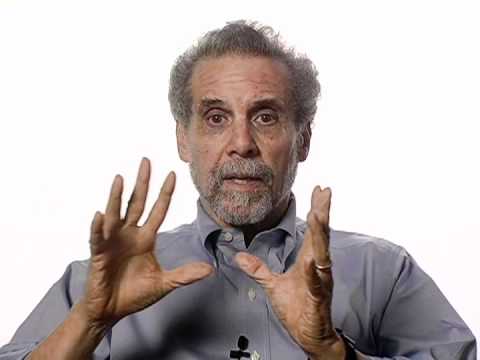
Alright, let’s talk about something that might just change the way you see yourself and others. Ever heard of emotional intelligence?
Este blog ofrece contenido únicamente con fines informativos, educativos y de reflexión. La información publicada no constituye consejo médico, psicológico ni psiquiátrico, y no sustituye la evaluación, el diagnóstico, el tratamiento ni la orientación individual de un profesional debidamente acreditado. Si crees que puedes estar atravesando un problema psicológico o de salud, consulta cuanto antes con un profesional certificado antes de tomar cualquier decisión importante sobre tu bienestar. No te automediques ni inicies, suspendas o modifiques medicamentos, terapias o tratamientos por tu cuenta. Aunque intentamos que la información sea útil y precisa, no garantizamos que esté completa, actualizada o que sea adecuada. El uso de este contenido es bajo tu propia responsabilidad y su lectura no crea una relación profesional, clínica ni terapéutica con el autor o con este sitio web.
Picture this: It’s 1995, and a dude named Daniel Goleman drops a book that kind of flips the script on how we think about smarts. It’s not just about IQ anymore; it’s all about how we feel, connect, and handle life.
You know how sometimes you just “get” someone? Or maybe you totally miss the vibe and say the wrong thing at the wrong time? Yeah, that stuff matters! Goleman opened our eyes to the idea that understanding emotions—our own and others’—is key to navigating this wild ride called life.
So, grab your favorite drink, get comfy, because we’re diving into some pretty cool stuff. Emotional intelligence isn’t just buzzword fluff; it can actually transform how you relate to people. Ready? Let’s go!
Understanding Emotional Intelligence: An Overview of Goleman’s 1995 Framework
Alright, let’s talk about emotional intelligence, or EI for short. You know when you’re playing a game and you can totally vibe with your teammates? That’s a bit of what emotional intelligence is all about! In 1995, Daniel Goleman put this concept on the map, and it’s still super relevant today.
So, what exactly did Goleman say? Well, he broke down emotional intelligence into five key components. Here’s the scoop:
- Self-awareness: This means being able to recognize your own emotions. Imagine you’re in a heated game and you start feeling frustrated. Being aware of that feeling can help you manage it instead of letting it take over.
- Self-regulation: This is all about managing those emotions once you’re aware of them. Let’s say you’re tempted to yell at your teammate after a bad play. If you practice self-regulation, you’ll think twice before reacting rashly.
- Motivation: This component refers to using your emotions to drive you towards goals. Think about how pumped you feel when you’re close to winning a game; that excitement fuels your effort!
- Empathy: Empathy is the ability to understand and share the feelings of others. In teamwork, if one person seems upset after making a mistake, recognizing their feelings can help the whole group bounce back together.
- Social skills: These are the skills we use to interact with others effectively. It’s not just about talking; it’s also about listening well and resolving conflicts smoothly.
Goleman argued that having high emotional intelligence can lead to better relationships and improved performance in many areas—including work! So think back on those times when you’ve successfully navigated tricky social situations or moved through challenges with grace—those moments often showcase high EI.
But hey, it doesn’t stop there. Goleman’s framework encourages us to develop these skills actively rather than just being born good at them. It’s like leveling up in a game; every time you practice self-awareness or empathy, you’re gaining experience points in real life!
Still wondering why EI matters? Well, people with stronger emotional intelligence often find it easier to manage stress and communicate effectively—both key factors for personal happiness and success in life.
Remember though: while understanding emotional intelligence is super helpful, it’s not a substitute for professional help if you’re struggling emotionally. We all need support sometimes!
In summary (though I promise not to sound too formal!), Goleman gave us an incredible lens through which we can view our interactions with ourselves and others. So next time you’re caught up in an intense moment—whether it’s gaming or real life—take a step back and think about how these elements come into play! Pretty cool idea, right?
Zodiac Signs with the Highest Emotional Intelligence (EQ): Understanding Your Astrological Traits
We’ve all had those moments when your friend’s emotional insight just blows you away. You know, the kind of person who seems to read the room like it’s a best-selling novel? That’s what emotional intelligence (EQ) is all about! It’s this incredible ability to understand and manage your own emotions while recognizing and influencing others’ feelings too. Daniel Goleman introduced this concept in 1995, and it’s been a game changer in how we think about ourselves and our relationships.
When it comes to zodiac signs, some are thought to have a natural knack for emotional intelligence. Here’s a closer look at those signs that tend to shine brighter in the EQ department.
- Cancer: Seriously, if empathy were an Olympic sport, Cancerians would take home the gold! They’re deeply intuitive and have this amazing ability to connect with others’ feelings. If you’re ever feeling down, they’ll be right there with a comforting shoulder.
- Pisces: These dreamy fish are often in touch with their emotions and those around them. It’s like they’ve got this radar for vibes. They can make you feel understood without even saying much.
- Scorpio: Now, Scorpios might seem intense at first glance, but don’t let that fool you! They’re incredibly perceptive about people’s emotions. Their depth allows them to really engage with how others feel—just take care not to cross them!
- Libra: With their love for harmony, Libras are masters at creating balance in relationships. Their diplomatic skills mean they can navigate tricky emotional waters like pros. It’s all about peace for them!
- Taurus: While they may come off as stubborn sometimes (let’s face it!), Tauruses are actually grounded individuals who provide stability emotionally. People often lean on them for support because they genuinely care.
So why do these signs tend to score higher on the emotional intelligence scale? Well, each of these signs brings something unique to the table when it comes to understanding feelings.
For instance, Cancers are ruled by the Moon which influences emotions deeply; they pick up on subtle cues without even trying! Meanwhile, Pisces can be likened to skilled players in a strategy game—they see every angle of someone’s feelings, making connections effortlessly.
Okay, now maybe you don’t particularly vibe with astrology or think it’s all just fun and games. But hey—you might find that understanding these traits helps you connect better with your friends or family who do identify with astrological signs!
Just remember: while knowing your zodiac sign can offer insight into your emotional strengths or weaknesses, it shouldn’t replace meaningful conversations or professional guidance when needed.
In the end, being emotionally intelligent is less about what stars aligned when you were born and more about practice—learning how we interact with our feelings and those of others every day! So if you’re looking for ways to boost your EQ? Start by paying attention: listen closely when someone talks, validate their feelings (hey—it goes a long way!), and reflect on your own responses too!
It doesn’t matter if you’re into astrology or not; improving your emotional intelligence will always serve you well in life.
The Origin of Emotional Intelligence Theory: When Daniel Goleman Introduced His Concept
So, let’s talk about emotional intelligence, or EI for short. Now, this whole concept really took off in 1995 thanks to a guy named Daniel Goleman. Before his book came out, people were mostly focused on IQ— you know, that old measure of intelligence based on logic and math. But Goleman shook things up by saying, «Hey! There’s so much more to being smart than just numbers!»
First off, Goleman’s big idea was that our emotions play a crucial role in how we think and behave. He argued that having high emotional intelligence could actually be more important than having a high IQ. This means understanding your own feelings and those of others can make a huge difference in how successful you are in life.
Here are some key points about what Goleman introduced:
- The Five Components of Emotional Intelligence: Goleman identified five core elements of EI: self-awareness, self-regulation, motivation, empathy, and social skills.
- Self-awareness: This means knowing what you’re feeling and why. It’s like when you realize you’re snapping at someone because you had a rough day.
- Self-regulation: This focuses on managing your emotions instead of letting them control you. Think about when you’re playing a game and get super frustrated; choosing to stay calm can lead to better decisions!
- Motivation: It’s not just about external rewards; it’s about being driven by your own values or goals.
- Empathy: This is your ability to understand how others feel. Imagine your friend is upset about something; empathy lets you connect with them better.
- Social Skills: You need these skills to navigate social situations effectively. They’re like the secret sauce for building friendships or making teamwork smoother.
Goleman’s work was built upon earlier theories by psychologists like Peter Salovey and John D. Mayer, who initially coined the term «emotional intelligence» in the early ’90s. But Goleman made it popular with his engaging writing style and relatable examples.
He also pointed out how emotional intelligence can impact various aspects of life—like relationships and workplaces. For instance, think about a team project at work: the person who empathizes with teammates likely helps create a positive vibe which leads to better collaboration!
So why does this matter? Because understanding EI has huge implications—whether it’s for personal growth or improving workplace dynamics. High emotional intelligence leads to better decision-making and healthier relationships overall.
But here’s the kicker—while knowing about emotional intelligence is super helpful, it doesn’t replace professional help if you’re struggling emotionally or psychologically. Sometimes we all face challenges that need expert guidance.
In the end, Goleman’s contribution changed how we view intelligence as a whole. It opened up conversations around feelings being just as important as brainpower—and that’s pretty revolutionary! So next time you’re navigating through emotions—yours or someone else’s—think back to Goleman’s insights!
You know, back in 1995, Daniel Goleman dropped this bombshell of a book called «Emotional Intelligence,» and it really changed the way we think about ourselves and others. Before that, most of us were pretty focused on IQ, like, if you were smart on paper, that was all that mattered. But Goleman turned everything upside down by saying, “Wait a minute! How you handle emotions is just as crucial!”
I remember this one time in college when I totally froze up during a group project. There I was, bursting with ideas but too scared to speak up because I thought my contributions wouldn’t be good enough. My teammate, however? She sensed my anxiety and encouraged me to share my thoughts. It felt like magic! It’s wild how just one person’s emotional intelligence can shift the entire vibe in a room.
Goleman’s work opened up this whole new way of viewing our interactions. He broke it down into five key components: self-awareness, self-regulation, motivation, empathy, and social skills. That’s like the recipe for not just getting ahead at work but also building meaningful relationships outside of it.
And here’s the thing: emotional intelligence isn’t just this mystical concept that people talk about in therapy sessions; it’s something we all experience every day. Whether you’re navigating a tough conversation with a friend or trying to get your kid to open up after a rough day at school—emotional intelligence is at play.
Honestly, thinking about Goleman’s ideas makes me realize how important it is to tune into our feelings and those of others around us. After all, we’re human beings thriving on connections! It’s not always easy; some days are better than others for sure. But recognizing that there’s more to intellect than just facts and figures? That’s pretty empowering!
So yeah—it’s been almost three decades since Goleman introduced emotional intelligence to the world—but it still rings true today. Emotions matter more than we might want to admit sometimes! And embracing that can lead us toward stronger relationships and maybe even contribute to our own happiness in unexpected ways. Isn’t that something worth pondering?

