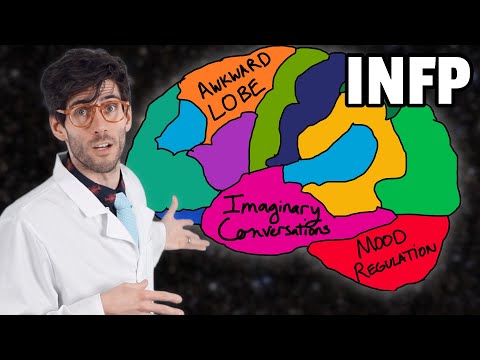
So, let’s chat about INFP-Ts. If you’ve ever heard of the Myers-Briggs Type Indicator (MBTI), you know it’s all about personality types, right? But this one? It’s like a deep dive into the dreamy world of idealists.
Este blog ofrece contenido únicamente con fines informativos, educativos y de reflexión. La información publicada no constituye consejo médico, psicológico ni psiquiátrico, y no sustituye la evaluación, el diagnóstico, el tratamiento ni la orientación individual de un profesional debidamente acreditado. Si crees que puedes estar atravesando un problema psicológico o de salud, consulta cuanto antes con un profesional certificado antes de tomar cualquier decisión importante sobre tu bienestar. No te automediques ni inicies, suspendas o modifiques medicamentos, terapias o tratamientos por tu cuenta. Aunque intentamos que la información sea útil y precisa, no garantizamos que esté completa, actualizada o que sea adecuada. El uso de este contenido es bajo tu propia responsabilidad y su lectura no crea una relación profesional, clínica ni terapéutica con el autor o con este sitio web.
Imagine being a person who feels everything so intensely. INFP-Ts are those folks. They’re sensitive, creative, and often lost in their thoughts.
You might relate if you’ve ever found yourself daydreaming about changing the world or connecting with others on a deep level. Yeah, that’s the vibe!
But here’s the kicker: these personalities can feel a bit uncertain or anxious sometimes—hence that «T» at the end, which stands for «Turbulent.» It adds a little twist to their already rich personalities.
Get ready to explore this beautiful complexity! We’ll unpack what makes INFP-Ts tick and how they navigate life. It’ll be fun, I promise!
Exploring the Connection Between INFP Personality Type and Autism Spectrum Traits
It’s pretty interesting to look at how personality types connect with traits on the autism spectrum, especially when we talk about the INFP personality type. This type, often called «The Mediator,» is known for being idealistic and sensitive. So, let’s break it down!
INFP Traits
INFPs are all about their inner values and imagination. They tend to be introspective and are driven by their emotions. Some common traits include:
- Empathy: They really feel what others feel.
- Creativity: They have a vibrant inner world filled with art and ideas.
- Introversion: They recharge through alone time.
- Idealism: They want to make the world a better place.
Now, if you think about it, some of these traits can overlap with autism spectrum traits. Both groups can struggle with social interactions and expressiveness, though for different reasons.
Overlapping Traits
When you look closely at INFPs and some characteristics found in individuals on the autism spectrum, here are a few intriguing connections:
- Sensitivity to Emotions: INFPs and many autistic individuals may be more sensitive to emotional cues, making them feel overwhelmed in high-stimulation environments.
- Difficulty in Social Contexts: Both may find social norms puzzling or exhausting—like when everyone loves small talk but you just want to dive into deep conversations!
- A Preference for Routine: Many INFPs thrive on routine or familiarity, similar to how some autistic individuals might prefer predictable environments.
But remember, not all INFPs will show these traits or describe themselves this way! Each person is unique.
Anecdote Time
I once knew an INFP who was super passionate about environmental activism. She would spend hours writing poetry about nature while feeling drained after a lively party. It’s that classic struggle of wanting connection but also needing cozy downtime—so relatable! Sometimes she thought maybe she was kind of «on the spectrum» because of her intense feelings and social exhaustion.
The Importance of Individual Differences
Not every INFP will resonate with autism spectrum traits, just like not everyone on the spectrum will fit specific molds. The key takeaway here is that personality frameworks like MBTI help us understand ourselves better. But they don’t define us entirely.
Recognizing these connections can help create spaces where both INFPs and those on the autism spectrum can thrive without feeling pressured to conform. So here’s a thought: instead of trying to fit into one box, why not celebrate our beautiful complexities?
And just as a reminder—if you’re feeling confused or concerned about personality traits or anything else regarding mental health, it’s always best to reach out for professional help!
Understanding the Weaknesses of INFP-T Personality Types: Key Challenges and Growth Areas
Alright, let’s talk about INFP-T personality types. These folks are known as «The Mediators» in the Myers-Briggs Type Indicator (MBTI) framework. They’re creative, sensitive, and deeply introspective. But like everyone else, they have their weak spots. Here are some key challenges they face:
- Overthinking: INFP-Ts have this tendency to get lost in their heads. You know how sometimes you replay a conversation over and over? For them, that happens a lot. It can be exhausting.
- Struggle with Conflict: Being peace-loving souls, INFP-Ts often avoid confrontation like it’s the plague. If anything feels uncomfortable or confrontational, they might just back away. Imagine being in a video game where you constantly find safe paths instead of tackling the dragons head-on!
- Self-Criticism: These guys tend to be their worst critics. They have high ideals and often feel like they don’t measure up to them. It’s like expecting yourself to reach level 100 in a game when you’re still figuring out how to get past level 5.
- Difficulties with Decision Making: Since they’re guided by their values and emotions more than logic sometimes, decisions can really weigh on them. Should I go for that dream job or stay cozy in my current position? This paralysis can hold them back.
- Being Overly Idealistic: INFP-Ts see a world filled with possibilities and beauty but can become disillusioned when things don’t align with their vision. Life isn’t always as magical as it seems in their stories!
- Avoidance of Routine: Routines can feel stifling! Many INFP-Ts crave spontaneity and creativity over mundane tasks—we all know that feeling of trying to escape the monotony.
A little story for you: I once knew an INFP-T who would lose sleep over whether his friends liked him enough. He’d analyze every text message for hidden meanings! Seriously, he thought he was being ignored if someone didn’t respond right away! That kind of thinking held him back from enjoying friendships—crazy how our minds work sometimes.
The good news is there are ways for INFP-Ts to grow through these challenges! Embracing vulnerability can lead to deeper connections—because honestly? Everyone appreciates authenticity. Practicing mindfulness might help reduce that overthinking spiral too.
You know what? While being an INFP-T is beautiful in many ways, it does come with challenges that no one should face alone. Seeking professional guidance from a therapist or counselor can provide support tailored specifically for these unique struggles.
In the end, understanding your weaknesses is just one step toward growth; it doesn’t define who you are! It’s about embracing your quirks while finding ways to navigate life’s hurdles more gracefully.
Understanding the INFJ Personality Type: Traits, Strengths, and Challenges
- INFJ Personality Type: Known as «The Advocate,» INFJs are part of the Myers-Briggs Type Indicator (MBTI) framework. They’re often considered the rarest type, making up about 1% of the population. You could say they’re like the unicorns of personality types.
- Core Traits: INFJs are typically characterized by a mix of introspection and empathy. They often have a rich inner world, which is filled with dreams and ideals, balancing their strong focus on personal values and deep connections with others.
- Intuition over Sensing: INFJs rely on intuition to understand the bigger picture. It’s like playing a game where you can see not just where your character is now but also where it could go in the future. This helps them anticipate others’ feelings and motivations.
- Feeling over Thinking: When making decisions, INFJs tend to prioritize emotions over logic. It’s not that they ignore facts; it’s just that they weigh how decisions impact people more heavily. If you think about it, this trait can feel like being in an RPG where you choose dialogue options based on what feels right rather than what’s strategically smart.
- Introversion: Being introverted means that INFJs gain energy from solitude. After a long day of socializing, they might need time alone to recharge—like pausing a video game to take a breather before jumping into another battle.
- Judging Preference: This preference means INFJs appreciate structure and planning. They often like to have things organized ahead of time, similar to strategizing your moves in a strategy game where preparation can make or break your success.
- Strengths: One big strength is their ability to connect deeply with others, often understanding feelings that even those individuals may not fully recognize themselves! Their compassion makes them excellent listeners and friends who provide support when needed most.
- Creative Problem Solvers: Because they can see multiple perspectives and potential outcomes, INFJs are great at thinking outside the box. Imagine them as characters in a puzzle-solving game who figure out impossible scenarios by viewing them from unique angles.
- Challenges: On the flip side, they can be sensitive and may take criticism personally. If someone doesn’t understand their intentions or ideas, it might feel like getting attacked in-game when all you wanted was to help!
- Overthinking: With their tendency towards introspection, many INFJs find themselves caught in loops of thought about past interactions or future possibilities—it’s almost like replaying an old level over and over again instead of moving forward!
- The Burden of Idealism: Sometimes their strong ideals lead them to disappointment when reality doesn’t match up with what they envision or hope for. It’s kind of like expecting a flawless victory in every match—frustrating when it just doesn’t happen!
- Avoidance of Conflict: Many INFJs dislike conflict so much that they may avoid confrontation altogether—even if it means sacrificing their own needs or wishes for harmony.
The insights provided here shouldn’t replace professional help if you’re seeking guidance for more complex issues related to personality types or mental health challenges. But understanding yourself or someone else through this lens could be enlightening—you know? And let’s be real: any self-discovery journey can be rewarding!
So, let’s talk about the INFP-T personality type, one of those quirky but fascinating categories in the MBTI framework. If you’ve ever met someone with that personality, it’s a real experience! You know, they are often considered the «Mediator» types, which totally fits because they have this innate ability to empathize and connect with others.
Now, I remember my friend Sarah. She’s an INFP-T, and honestly? She’s like a walking poetry book. Super thoughtful and idealistic! But sometimes she gets a bit overwhelmed by all the feels. One time, we were hanging out, and she just opened up about how she struggles with fitting into this fast-paced world. It was heart-wrenching yet beautifully raw; that deep sense of longing for meaning is something many INFPs feel.
The T at the end of INFP-T stands for «Turbulent.» This means they’re more prone to self-doubt and emotional ups and downs compared to their «Assertive» counterparts. Imagine riding a rollercoaster where every twist and turn makes you question your decisions! Sounds exhausting, right? But that’s just how they process life—each little bump feels monumental.
You see, INFP-Ts often crave authenticity. They want their lives to matter; it’s like they’re on this quest for personal truth. That’s why they can be so empathetic—they feel other people’s pain deeply and want to help make things better. It can be both a gift and a burden; carrying all that emotional weight is no joke!
But here’s where it gets tricky: because they’re so driven by their values, they might struggle when reality doesn’t match those ideals. Sometimes it leads to anxiety or feeling lost in big decisions—like choosing a career path or navigating relationships. “Will this job actually fulfill me?” or “Is this person worth my time?” are questions that swirl around in their minds.
So what can we take from all this? Well, if you’re an INFP-T or know someone who is, embracing that emotional depth can lead to some seriously beautiful experiences! But also—yeah—you might want to give yourself permission to feel all those feelings without judgment.
At the end of the day? Being an INFP-T means being true to yourself while wrestling with those inner conflicts. And isn’t that something we can all relate to on some level? So next time you’re grappling with your identity or purpose, just remember: you’re not alone in that journey!