You know that feeling when you’re not quite sure what to do with your life? Yeah, I’ve been there too.
Este blog ofrece contenido únicamente con fines informativos, educativos y de reflexión. La información publicada no constituye consejo médico, psicológico ni psiquiátrico, y no sustituye la evaluación, el diagnóstico, el tratamiento ni la orientación individual de un profesional debidamente acreditado. Si crees que puedes estar atravesando un problema psicológico o de salud, consulta cuanto antes con un profesional certificado antes de tomar cualquier decisión importante sobre tu bienestar. No te automediques ni inicies, suspendas o modifiques medicamentos, terapias o tratamientos por tu cuenta. Aunque intentamos que la información sea útil y precisa, no garantizamos que esté completa, actualizada o que sea adecuada. El uso de este contenido es bajo tu propia responsabilidad y su lectura no crea una relación profesional, clínica ni terapéutica con el autor o con este sitio web.
Career stuff can be so confusing. There’s this theory out there called SCCT, and it’s all about how we figure out our career paths.
It’s like a roadmap for making sense of your choices and ambitions. Seriously!
I mean, who wouldn’t want a little help in navigating the jungle of job options? Let’s break it down together and see how it can light the way for you!
Understanding the SCCT Theory of Career Development: Key Concepts and Applications
So, let’s talk about the SCCT theory of career development. It stands for Social Cognitive Career Theory. Sounds fancy, right? But it’s really just a way to think about how we make career choices based on a bunch of factors that influence us over time.
Key Concepts
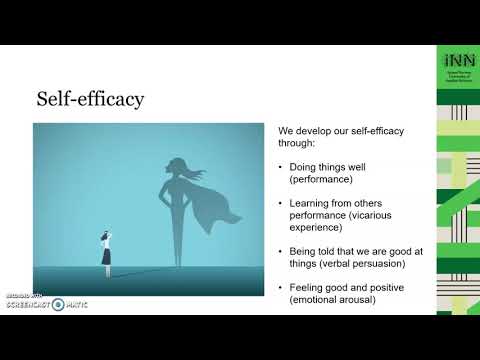
- Self-Efficacy: This is all about your belief in your own abilities. If you think you can do something, you’re more likely to go after it! For instance, if you enjoy playing basketball and feel confident in your shooting skills, you’re more likely to pursue that sport further.
- Outcome Expectations: These are the perceived consequences of your actions. Like, if you believe that going to college will lead to a good job, then you might work hard to get there. It’s like when you think finishing that level in a video game will unlock cool new features.
- Personal Goals: These are the targets or ambitions we set for ourselves. Maybe you want to be a graphic designer or an engineer. Setting specific goals helps shape how we plan our careers.
- Environmental Influences: Our surroundings play a big role too! Family expectations, societal norms, and even economic factors can steer us in certain directions. For example, if everyone around you is tech-savvy, you might feel pressured to go into IT.
The Process
So how does this all come together? Well, it starts with self-efficacy and outcome expectations influencing personal goals. Imagine this: You see friends getting great jobs after studying something they love (outcome expectations), which boosts your confidence (self-efficacy) in pursuing similar paths.
Then environmental influences come into play. Maybe someone tells you about their amazing internship experience in design—this could spark an interest or change your direction completely!
Applications of SCCT in Career Development
Now that we have the concepts down, let’s see where they fit in real-world scenarios:
- Counseling: Career counselors use SCCT to help clients explore their beliefs and goals through discussions about self-efficacy and environment.
- Education Programs: Schools often create programs that build students’ self-efficacy through hands-on experiences—like coding workshops for aspiring programmers.
- Workshops: Companies might run workshops focusing on skills development to improve employees’ confidence and expand their career paths.
Anecdote Time!
Let me tell you about my friend Jake—he loved video games growing up but thought he couldn’t make a career out of it because everyone told him gaming wasn’t a “real” job. But one day he stumbled upon some articles about game design and realized people were making serious money doing what they love! That sparked his interest. With new information boosting his confidence and support from peers who understood his passion, Jake went back to school for game development. Now he’s working at a studio creating awesome games!
All this shows how closely tied our thoughts are with our life decisions.
In the end, understanding SCCT can give valuable insights into why we choose certain paths over others—not just for ourselves but also when advising friends or those around us! Just remember: while this framework is super helpful for navigating careers definitively consulting with professionals can offer tailored advice unique to each person’s situation.
So there ya go! That’s a wrap on SCCT—simple yet powerful stuff when thinking about careers!
Understanding the 5 Stages of Career Development Theory: A Comprehensive Overview
Oh wow, career development can feel like a rollercoaster, right? It’s not just about landing that first job or getting promoted. There’s a process going on behind the scenes, and that’s where the 5 stages of career development come in. Basically, it helps you figure out where you are in your career journey and what’s next. Let’s break this down a bit!
Stage 1: Growth
This is where it all begins. Think of this as your childhood days when you’re just figuring out who you are. You’re influenced by family, teachers, and friends. This stage is crucial because it’s when you start to develop interests and skills—like your passion for art or knack for fixing things.
Stage 2: Exploration
Here’s where you start looking around for options. You might try different jobs or internships, much like picking characters in a game to see which one suits your style best. You’re testing the waters! Maybe you’re realizing you love writing but not so much sales—that’s valuable info for your future decisions.
Stage 3: Establishment
At this point, you’ve probably landed a job that feels somewhat right for you. You’re basically leveling up! You’ve gained some experience and are starting to make your mark in your field. However, it can be stressful as expectations grow—kind of like facing tougher bosses in a game!
Stage 4: Maintenance
This stage is all about keeping the momentum going. You’ve established yourself but might be feeling stagnant or uncertain about what comes next—like playing through an endless level without any new challenges. Self-reflection is super important here; take stock of what makes you happy within your job.
Stage 5: Disengagement
Eventually, many people think about retirement or maybe switching careers altogether. This stage can be tricky emotionally as it involves transitioning away from something you’ve invested time into—similar to saying goodbye to a favorite game or character that has been part of your life.
So how does SCCT fit into this whole picture? SCCT stands for Social Cognitive Career Theory, and it adds another layer by considering how personal factors (like self-efficacy) and external factors (like social support) affect decision-making during these stages.
In the end, every individual experiences these stages differently based on their personal journey and choices. It’s essential to recognize where you’re at and consider seeking help if you’re feeling lost—it doesn’t replace professional guidance but can help clarify those feelings.
Essentially, understanding these stages makes navigating through career ups and downs feel less daunting—almost like having an old friend guiding you along the way!
Understanding the 4 Key Factors of Krumboltz’s Career Decision-Making Theory
Sure thing! Let’s explore Krumboltz’s Career Decision-Making Theory and how it fits into career development.
Krumboltz’s Career Decision-Making Theory, often tied to Social Cognitive Career Theory (SCCT), focuses on how we make choices about our careers. It outlines four key factors that influence these decisions. Buckle up, because this is going to be fun and insightful!
- Genetic Endowment
- Circumstantial Influences
- Learning Experiences
- Ecological Influences
This one’s about the stuff you’re born with. Think talents, abilities, and even physical traits. For instance, if you have a natural knack for math, that could steer you toward a career in engineering or data analysis.
These are the situations we find ourselves in. You know, things like family expectations or economic conditions. Imagine someone who grew up in a family of doctors; they might feel pressured to pursue medicine even if their real interest lies elsewhere.
All those experiences—good and bad—you go through shape your skills and interests. Think of it like leveling up in a video game! Each new experience helps you gain skills or insights that can guide your career path. If you tried volunteering at an animal shelter and found out you love working with pets, that could lead to a career in veterinary sciences!
This refers to the whole environment around you: social networks, education systems, and even media influences play a part here. For example, let’s say your school offers an awesome robotics program; exposure to that can ignite an interest in tech careers.
So, what’s important here? Well, these factors don’t work alone; they all interact with one another! It’s basically like building your character in a game where every choice impacts your journey.
You know what? Understanding this theory isn’t just cool trivia; it also helps when you’re figuring out where you fit into the world of work. You take a step back and think about how each of these factors played into your past choices or might impact future ones.
So remember: while this info is super helpful for thinking about careers, it’s not a substitute for professional advice! If you’re feeling unsure about where to go next professionally or emotionally—reach out to someone who can help!
So, let’s chat about this thing called SCCT Theory—yeah, not the most glamorous name, but hang tight! SCCT stands for Social Cognitive Career Theory. Pretty clunky, I know, but it’s a framework that can help you figure out career development in a pretty neat way. It’s rooted in the idea that our career choices aren’t made in a vacuum; they’re influenced by all kinds of things like our beliefs, experiences and even the people around us.
I remember when I was trying to decide what I wanted to do after college. It was such a whirlwind! One day I thought I’d be a teacher, then the next day I wanted to dive into marketing or something artsy. My friends were pursuing their paths with such confidence while I was over here wringing my hands! It wasn’t until I really sat down and reflected on what I enjoyed and what my strengths were (thank you SCCT) that things began to click into place for me.
Okay, so let’s break it down. SCCT focuses on three main pieces: self-efficacy, outcome expectations, and personal goals. Self-efficacy is all about your belief in your ability to succeed at something. For example, if you think you’re great at organizing events because you’ve pulled off birthday parties like a pro, you’re more likely to go for that event planning gig.
Then there’s outcome expectations—you know, what do you expect will happen if you choose one path over another? If you believe being a graphic designer will lead to fun projects but also think it might be tough finding steady work, this affects your choices too.
And now onto personal goals—this is where it gets juicy! Your goals shape how motivated you feel about pursuing different careers. If your goal is to make a difference in people’s lives (like becoming a counselor), you’re probably going to pursue opportunities that align with that mission.
But wait—what’s super cool about SCCT is that it’s not just about individual choice. It acknowledges the role of social factors—friends’ opinions or family pressure can really steer us one way or another. Sometimes all it takes is someone saying «Hey, you’re really good at this!» for us to see new possibilities.
In retrospect, my own messy journey and those crazy swirls of doubt actually made sense when I started reflecting on all these areas—my beliefs about myself shaped by past experiences pushed me toward certain careers while personal goals smoothed out my path in unexpected ways.
So yeah, understanding SCCT kinda feels like getting a backstage pass into what drives our career decisions. It’s like creating your own roadmap based on who you are and where you’ve been while considering who’s cheering (or not cheering) for you along the way. All in all—it gives clarity when figuring out where we fit best career-wise!