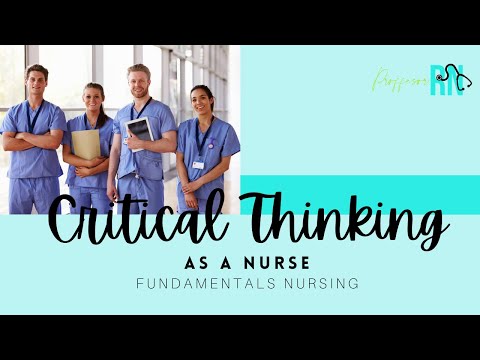
Hey you! So, let’s talk about nurses for a sec. They’re like the superheroes of the healthcare world, right? I mean, seriously, just think about it.
Este blog ofrece contenido únicamente con fines informativos, educativos y de reflexión. La información publicada no constituye consejo médico, psicológico ni psiquiátrico, y no sustituye la evaluación, el diagnóstico, el tratamiento ni la orientación individual de un profesional debidamente acreditado. Si crees que puedes estar atravesando un problema psicológico o de salud, consulta cuanto antes con un profesional certificado antes de tomar cualquier decisión importante sobre tu bienestar. No te automediques ni inicies, suspendas o modifiques medicamentos, terapias o tratamientos por tu cuenta. Aunque intentamos que la información sea útil y precisa, no garantizamos que esté completa, actualizada o que sea adecuada. El uso de este contenido es bajo tu propia responsabilidad y su lectura no crea una relación profesional, clínica ni terapéutica con el autor o con este sitio web.
Every day, they juggle way too many tasks while keeping a warm smile on their faces. It’s wild! But here’s the kicker: there’s this thing called “nurse think” that’s all about the critical mindset they need to have when taking care of patients.
It’s not just about giving shots or checking vitals. Nope! It’s deeper than that. Nurses have to be super observant and ready to react in a flash. And that mindset? Well, it sets the stage for better patient outcomes and shows just how much heart goes into their work.
You know what? Let’s dig into this together and see what makes that nurse think tick!
Understanding the 5 Core Principles of Critical Thinking in Everyday Decision-Making
So, let’s chat about critical thinking, especially in the context of nursing and patient care. It’s like having a superpower in decision-making that you can really use every day. Here are five core principles to keep in mind:
- Clarity: You want your thoughts and questions to be clear. If a patient says they’re feeling «weird,» it might help to dig deeper. What does «weird» mean to them? Are they in pain, anxious, or just uncomfortable with their treatment? The clearer you are, the better you can respond.
- Accuracy: This is all about relying on facts. When faced with a situation (say, a patient suddenly has a fever), make sure you’re checking vital signs or lab results rather than jumping to conclusions based on guesswork. Remember that time when you thought your friend was upset, only to find out they just had bad Wi-Fi? Yeah, misreads happen!
- Relevance: Stay focused on what matters at hand. When evaluating a patient’s needs, filter out distractions—like whether they like the hospital food or not—and concentrate on their medical history and current symptoms instead. It’s like when playing chess; you wouldn’t worry about how pretty the board looks when your king is in check.
- Depth: Look beneath the surface. If someone isn’t improving as expected, consider underlying factors—like if there might be emotional stress impacting their recovery. Think of it like peeling an onion; sometimes you have to go through layers before reaching the heart of the matter!
- Breadth: Examine multiple viewpoints and perspectives. Let’s say you’re part of a team discussing treatment plans. It’s crucial to hear from doctors, nurses, and even patients themselves—everyone brings something valuable to the table! Imagine an art project: if everyone only draws one thing, it gets pretty boring fast!
This mindset can seriously improve patient outcomes and overall care quality. So remember, critical thinking isn’t just for classrooms or brainstorming sessions; it’s something you’ll use constantly throughout your career!
The key here is that while these principles can guide your decision-making process beautifully, they don’t replace professional help or experience. When it comes down to it – you’re still gonna need those seasoned colleagues and mentors by your side as you navigate this complex world of healthcare.
A little practice goes a long way! So next time you’re faced with a tough call at work—or even in life—why not take a moment to run through these principles? You might find yourself making decisions that feel right and informed.
Three Key Examples of Critical Thinking in Nursing for Effective Client Care
When you think about nursing, critical thinking might not be the first thing that pops into your mind. But honestly, it’s like the secret sauce for delivering top-notch care to patients. So, let’s check out three key examples of how critical thinking plays a huge role in effective client care.
- Assessment and Diagnosis: Picture this: a nurse walks into a patient’s room and notices something off. Maybe the heart rate is faster than usual, or the patient isn’t acting quite like themselves. Here’s where the critical thinking kicks in. Instead of just taking notes and moving on, the nurse needs to connect those dots. Why is this happening? Is it a reaction to medication, anxiety, or something else? This ability to assess a situation deeply helps nurses get to the root cause rather than just treating symptoms.
- Problem-Solving Skills: Nursing often feels like playing one of those intense strategy games where every move counts. You have to decide quickly how to deal with unexpected situations. For example, say a patient suddenly experiences shortness of breath. The nurse has to think fast: should they call a doctor right away? Do they need to adjust oxygen levels? It’s about weighing options and making decisions that could impact someone’s life in real-time.
- Communication: This one is massive! Think about it—nurses are like bridges between patients and doctors. They need to have clear conversations with both parties. When nurses use critical thinking here, they can advocate for their patients effectively. If they spot something concerning during their shift, they can clearly articulate that info when reporting it to doctors or discussing it with family members.
The thing is, critical thinking isn’t just about being smart; it’s about using your smarts in real-world situations every day—kind of like mastering level after level in your favorite game. In nursing, it means always questioning what you see and encouraging everyone around you to do the same for better care outcomes.
This perspective matters because good communication leads to teamwork; team dynamics can lead to faster recovery times for patients—that’s what we want! Just keep in mind that while these skills are vital for effective nursing practice, they’re no substitute for professional medical advice!
Understanding the Critical Mindset in Nursing: Effective Patient Care Strategies
When it comes to nursing, having a critical mindset isn’t just a fancy term. It’s like having a superpower! This mindset helps nurses think on their feet and make quick, informed decisions that can seriously impact patient care. Seriously, it’s that important.
So, what exactly does it mean to have a critical mindset in nursing? Well, think of it as playing a strategy game where every move counts. Just like in chess, where you have to anticipate your opponent’s moves, nurses need to evaluate situations quickly—gathering all the bits of information available. Here’s how that plays out in real life:
- Assessment: Nurses are always observing patients. It’s like piecing together a puzzle. They look for signs and symptoms and ask questions.
- Analysis: After gathering info, they analyze what they see. For instance, if someone is short of breath but seems calm, there might be more under the surface.
- Decision-making: Based on their assessment and analysis, they decide the next steps—like whether to call a doctor or administer medication.
Imagine you’re playing an RPG (that’s role-playing game for those not in the know). You’re faced with choices: do you heal your party or attack an enemy? In nursing, every decision can affect patient outcomes. So making informed choices is crucial.
Now let’s talk about communication because that might be one of the most vital strategies for effective patient care. Think about how you share info with friends when planning something fun—like everyone agreeing on what movie to watch. Nurses need that same level of clarity with patients and team members.
- Clear communication: It’s essential for understanding patients’ needs and sharing critical updates with doctors.
- Cultural competence: Respecting cultural differences can make conversations smoother and care more effective.
Let me share a little story here: I once knew this nurse named Sarah who had this fantastic way of connecting with her patients. One day, she noticed Mr. Thompson was unusually quiet; he’d been chatty before going into surgery. She took a moment to sit down beside him and just asked how he was feeling—instead of rushing through her tasks. Turns out he was terrified about the procedure but hadn’t voiced his worries before! A quick chat eased his mind significantly.
In terms of teamwork—working well with colleagues—is also part of that critical mindset framework:
- Collaboration: Good nurses know they can’t do it all alone; they lean on their team members when needed.
- Diverse perspectives: Engaging different specialties helps improve patient care—two heads are better than one!
In the end, developing this critical mindset isn’t just about knowing clinical stuff; it’s also about blending empathy and open-mindedness into everyday practice.
But here’s where I should mention something important: while these strategies can enhance your approach to nursing—and let me tell you they’ve got some serious potential—they don’t replace solid medical training or professional help from healthcare providers when issues arise.
So remember: nurture that critical mindset! It’s key for being an effective nurse who provides top-notch care tailored to each patient’s unique needs.
You know, I was chatting with a friend who’s a nurse the other day, and she mentioned something that just stuck with me. She talked about the “nurse think” mindset. It’s this way of processing information that’s super important in patient care. I mean, it’s not just about giving medications or checking vitals; it’s so much deeper than that.
So picture this: you’re a nurse on a busy shift, juggling multiple patients. You have to assess situations quickly and make decisions on the fly. That ability to think critically? It’s like your secret weapon. You’re taking in all this information—what you see, what you hear from your patients, their history—and piecing it together like a puzzle.
There was this story my friend shared about a time she noticed something off with a patient. Symptoms were there, but they weren’t typical for what they were being treated for. Instead of just going through the motions, she paused and thought critically about what could be happening beneath the surface. That split-second decision led her to speak up and eventually catch something serious before it escalated.
That’s where “nurse think” really shines: it’s about being proactive rather than reactive. It means putting together clues and asking questions that others might miss. And yeah, sometimes it can feel overwhelming—like trying to juggle flaming torches while riding a unicycle—but when you trust your instincts and critical thinking skills, it’s amazing what you can do for someone who needs help.
You also have to be adaptable because every patient is different. What works for one person might not work for another at all! So having that critical mindset means being willing to shift gears when needed, adjusting your approach based on each unique situation.
All in all, «nurse think» isn’t just a skill; it’s an art form that comes from experience and empathy. Nurses are on the front lines of healthcare every day, and their ability to critically analyze situations can literally save lives. Isn’t that something? Just goes to show how vital thoughtful consideration is in patient care!