You know those days when your mood swings like a pendulum? One minute you’re on top of the world, and the next, you’re feeling like a rain cloud just followed you home. Yeah, we’ve all been there.
Este blog ofrece contenido únicamente con fines informativos, educativos y de reflexión. La información publicada no constituye consejo médico, psicológico ni psiquiátrico, y no sustituye la evaluación, el diagnóstico, el tratamiento ni la orientación individual de un profesional debidamente acreditado. Si crees que puedes estar atravesando un problema psicológico o de salud, consulta cuanto antes con un profesional certificado antes de tomar cualquier decisión importante sobre tu bienestar. No te automediques ni inicies, suspendas o modifiques medicamentos, terapias o tratamientos por tu cuenta. Aunque intentamos que la información sea útil y precisa, no garantizamos que esté completa, actualizada o que sea adecuada. El uso de este contenido es bajo tu propia responsabilidad y su lectura no crea una relación profesional, clínica ni terapéutica con el autor o con este sitio web.
It’s wild how our emotions can change so quickly and make us feel like we’re riding a rollercoaster. Seriously, it can be exhausting! And what’s even crazier? Sometimes we don’t even know why we feel that way.
Understanding your mood periods isn’t just some lofty concept. It’s super relatable! We all have ups and downs, but figuring out what triggers those changes can really help. So let’s chat about it—what affects our moods and how we can manage them better? Sounds good, right?
Understanding Menstrual Cycle Mood Swings: A Comprehensive Mood Chart for Women
Sure thing! Let’s chat about menstrual cycle mood swings, a topic that a lot of women deal with, but isn’t always talked about openly. The way your body feels during this time can really affect your moods. You might feel like a superhero one day and then like you wanna hide under your blanket the next. So what’s going on?
First off, it’s all tied to hormones. As your menstrual cycle goes along, hormones like estrogen and progesterone rise and fall. These fluctuations can influence neurotransmitters in your brain that control mood, like serotonin and dopamine. Basically, these are the brain’s happy chemicals.
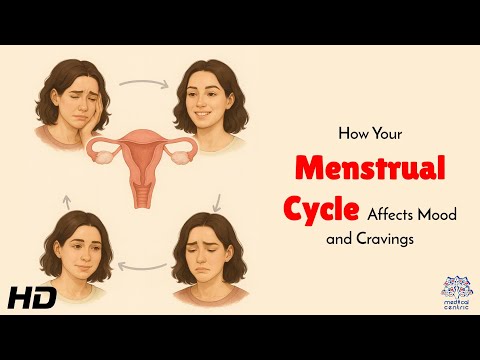
Let’s break it down by phases:
- Menstrual Phase (Days 1-5): This is when you’re on your period. Many women feel crampy and tired—no surprise there! Some might feel sad or irritable as well.
- Follicular Phase (Days 6-14): Here comes the “feel-good” time! Estrogen levels start to rise, leading to more energy and a brighter mood. You might feel more social; maybe tackle that project you’ve been putting off!
- Ovulation (Around Day 14): This is when things really pop! You might feel on top of the world—confident, attractive—kinda like the main character in a rom-com. But remember, this phase is short-lived.
- Luteal Phase (Days 15-28): Uh-oh! Hormones start to dip again, which might cause anxiety or irritability for some people. Mood swings can be intense here! Seriously, one minute you’re fine, the next you want to cry because someone ate the last cookie.
You know what? Some women experience something called **PMS**, which stands for premenstrual syndrome. It’s not just physical pain; some have emotional symptoms too—like feeling overwhelmed or sad before their period.
How do you manage this rollercoaster? Here are some ideas:
- Create a Mood Chart: Track your moods along with your cycle. It helps you recognize patterns! It’s kinda like playing detective in your own life.
- Stay Active: Exercise can help release those happy endorphins even on the tough days!
- Meditation or Mindfulness: Simple breathing exercises can make a big difference in calming down those intense feelings.
- Diet Matters: Eating well—think fruits & veggies—can help stabilize moods too. Avoid heavy junk food if possible which may intensify feelings.
If it gets overwhelming and affects daily life seriously, talking to someone—a friend or a mental health professional—can really help you navigate through it.
So yeah, just remember every woman experiences her cycle differently. Keep exploring what’s best for you based on how you’re feeling at different times of the month! Mood swings are perfectly normal; understanding them can empower you big time!
Let me know if any part resonated with you or if there’s something you’d like to dive deeper into!
Understanding the Emotional Changes During the 4 Phases of the Menstrual Cycle
So, the menstrual cycle isn’t just about the physical stuff; it’s also a wild rollercoaster of emotions. You’ve probably noticed that your mood can swing like a pendulum, right? The emotional changes throughout the four phases are totally normal but can sometimes feel overwhelming. Let’s break it down.
1. Menstrual Phase: This is when your period starts. Physically, you might feel crampy or bloated, but emotionally, it can be a bit rough too. Some people experience sadness or irritability during this time. It’s like feeling tired and heavy, both in the body and mind. Think of it as a video game with a low-energy level—you might want to pause and recharge for a bit.
- Common feelings: Sadness, irritability.
- Example: You might cry over a cute puppy video that wouldn’t normally faze you!
During this phase, being gentle with yourself is key. Maybe watch some comedies or read something light-hearted to lift your spirits.
2. Follicular Phase: After your period ends, this phase kicks off and you could feel like you’re coming out of hibernation! Your energy starts to boost because estrogen levels spike—a hormone that seriously lifts your mood. You might have more motivation and feel more optimistic about life.
- Common feelings: Happiness, creativity.
- Example: It’s like starting a new game; everything feels fresh and exciting!
This is the perfect time to start new projects or do something fun with friends because zest for life is usually higher.
3. Ovulation Phase: This phase is pretty short but exhilarating! Just around mid-cycle when an egg is released, many people report feeling confident and social—this is hormonal magic at its best! The rise in estrogen leads to an increase in serotonin (the feel-good chemical), which boosts both mood and libido.
- Common feelings: Confidence, sociability.
- Example: Think of those moments when you’re on fire during multiplayer games—you just know what to do!
You may find yourself wanting to connect more with others or try new activities! It’s really all about embracing that energy!
4. Luteal Phase: As we head toward menstruation again, this phase can bring some challenges emotionally. Hormonal changes could lead to mood swings—hello PMS! You might feel irritable or anxious as progesterone kicks in.
- Common feelings: Irritability, anxiety.
- Example: Like trying to keep focus while playing a frustrating level of your favorite game—you might just want to scream!
This phase can be tough but recognizing what’s happening helps! Taking care of yourself could mean resting more or engaging in calming activities—think yoga or deep breathing exercises.
The emotional landscape throughout these phases is totally normal; it’s just part of being human! And hey—if these feelings ever become too much to handle? Reaching out to a professional for support is always an option worth considering.
Your cycle reflects not just bodily rhythms but emotional ones too—it’s all connected! Understanding these changes can help you navigate through them with kindness towards yourself.
Understanding Daily Mood Changes Throughout the Menstrual Cycle: A Practical Guide
You know, one of the things that often gets overlooked is how our moods can shift throughout the menstrual cycle. It’s like this hidden game board where hormones act as the players. Understanding these changes can really help you navigate your emotional landscape better. So buckle up, let’s break it down!
The Menstrual Cycle Basics
First things first, let’s get a grip on what we’re talkin’ about. The menstrual cycle typically lasts about 28 days but can range from 21 to 35 days for some. Think of it as a season in a game: different stages have different rules and effects!
- Menstrual Phase: This is when you’re actually bleeding, usually lasting from 3 to 7 days.
- Follicular Phase: After menstruation, hormones like estrogen start to rise, bringing a feeling of renewal.
- Ovulatory Phase: About midway through the cycle; estrogen peaks here, which can boost your mood and energy.
- Luteal Phase: This is right after ovulation when hormones drop off—this phase can bring on mood swings and PMS symptoms.
Mood Changes: What’s Up?
So, here’s the thing: those hormonal shifts are like power-ups and energy drops in games—sometimes you’re on fire, other times not so much. During the follicular phase, many women feel more energetic and optimistic; think of it as leveling up in your favorite game! On the flip side, during the luteal phase, you might feel irritable or low-energy—like hitting a hard level with no cheat codes.
Sometimes you may even find yourself crying over that sad end scene in a movie or getting mad over spilled coffee. It’s real! Those fluctuating hormones are responsible for that rollercoaster ride of feelings.
The Role of Hormones
Let’s talk hormones because they’re at the center of this whole shindig.
- Estrogen: Helps boost serotonin levels—the happy chemical! More estrogen typically means more joy!
- Progesterone: This hormone rises after ovulation and can make you feel tired or moody as it gets higher.
- Cortisol: Stress hormone that sometimes spikes before your period, adding to those funky feelings.
Coping Strategies
Now that we’ve broken down what happens, let’s look at some strategies to help manage those mood swings.
- Keep a Mood Diary: Track how you’re feeling throughout each phase. This is like keeping score in a game—you’ll learn what triggers your ups and downs!
- You Time: Regular self-care activities can make a big difference! Whether it’s reading a book or going for walks—just whatever helps recharge your batteries.
- Nutritional Balance: Eating well plays an essential role too! Foods rich in omega-3s or complex carbs might smoother out mood fluctuations.
- Avoid Caffeine & Sugar: These can spike anxiety and irritability during sensitive phases—kind of like running out of lives too soon!
If mood swings are really affecting your life—like losing interest in things you love or causing conflict with others—it might be worth chatting with a professional. Sometimes just talking to someone who gets it makes all the difference.
In short, understanding these daily mood changes throughout your menstrual cycle gives you power—a little insight goes a long way toward managing how you feel day-to-day. So take note of those feelings; they’re part of your unique journey!
You know how sometimes you just wake up and everything feels a bit off? One minute you’re in a great mood, and the next, it’s like a cloud just moved in and decided to stick around. That’s your mood period talking! It can be sneaky—showing up when you least expect it, but trust me, you’re definitely not alone.
I remember this one time when I was really excited about a friend’s birthday party. The day started out with me feeling on top of the world—ready to celebrate! But then, as the hours rolled on, I found myself staring blankly at my phone, unsure if I even wanted to go anymore. My mind was racing with thoughts of what could go wrong. And honestly? That little black cloud grew bigger as I convinced myself that no one would want me there anyway.
But here’s the thing: our moods are pretty much like waves, constantly changing and influenced by so many factors—sleep patterns, stress levels, even what we eat! During those periods when your mood dips or spikes unexpectedly, it can feel overwhelming. It’s almost like you’re on a rollercoaster with no seatbelt! The highs are great; but boy, those lows can really knock the wind out of you.
Managing your mood isn’t about fighting it like it’s an evil villain; it’s more about learning to ride the wave without totally wiping out. Try checking in with yourself. What did you eat today? Did you get some fresh air? Are your thoughts racing so fast it’s hard to keep up? Just shining a light on these things can help bring some clarity.
And don’t forget about self-care—it doesn’t have to be all bubble baths and candles (though those are nice too!). Sometimes it’s as simple as taking five minutes to breathe deeply or talk things out with a friend who gets where you’re coming from. Seriously! Sharing how you feel can lighten that load more than you think.
All in all, understanding your mood period is like learning to read the weather—you might not have full control over when storms hit or sunny days shine through but recognizing patterns makes everything so much easier to manage. So if you’re feeling blue or riding high today, just know it’s a part of being human. Hang in there; you’ll find your way through it!