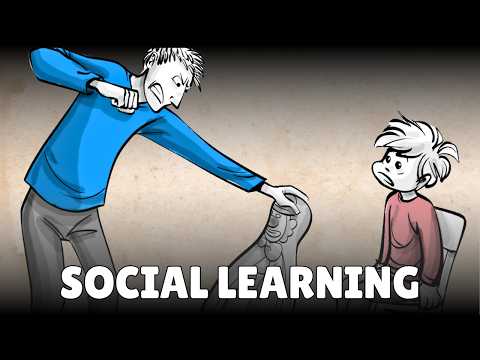
Hey, you! Let’s chat about something super cool: how kids think as they grow. You know, those little brains going from mush to mini-supercomputers?
Este blog ofrece contenido únicamente con fines informativos, educativos y de reflexión. La información publicada no constituye consejo médico, psicológico ni psiquiátrico, y no sustituye la evaluación, el diagnóstico, el tratamiento ni la orientación individual de un profesional debidamente acreditado. Si crees que puedes estar atravesando un problema psicológico o de salud, consulta cuanto antes con un profesional certificado antes de tomar cualquier decisión importante sobre tu bienestar. No te automediques ni inicies, suspendas o modifiques medicamentos, terapias o tratamientos por tu cuenta. Aunque intentamos que la información sea útil y precisa, no garantizamos que esté completa, actualizada o que sea adecuada. El uso de este contenido es bajo tu propia responsabilidad y su lectura no crea una relación profesional, clínica ni terapéutica con el autor o con este sitio web.
So, we’re diving into this thing called Piaget’s Concrete Operational Stage. It’s all about how kids ages 7 to 11 start to make sense of the world in a new way. Pretty wild, huh?
Think back to when you were that age. Remember figuring out that, like, pouring water from one glass to another didn’t change the amount? Mind-blowing stuff!
It’s fascinating how kids start to grasp more complex ideas during this stage. They get logic, and they learn about cause and effect while playing with their buddies or tackling math problems.
Ready to unpack this whole journey of cognitive growth? Let’s get into it!
Understanding Piaget’s Conclusions on the Concrete Operational Stage of Cognitive Development
The concrete operational stage, according to Piaget, is a fascinating phase in child development that typically happens between the ages of 7 and 11. During this period, kids move from being egocentric thinkers to having a more logical approach. It’s all about understanding the world in a more structured way.
So, what does this mean for your kid? Well, here are some key points you might find interesting:
- Logical Thinking: Children begin to think logically about concrete events. They can sort objects based on multiple attributes—like size and color at the same time!
- Understanding Conservation: Kids learn that quantity doesn’t change even if its shape does. Like when they pour juice from a tall glass into a short, wide one—they realize there’s still the same amount.
- Reversibility: This concept means that kids understand that actions can be reversed. For example, if they see clay being shaped into a ball and then flattened again, they grasp that it can return to its original form.
- Categorization: They become better at grouping items by traits. If your kid has blocks of different colors and shapes, they’ll likely start sorting them into categories like “red things” or “square things.”
- Simplicity with Complexity: While their thinking becomes more complex during this stage, it’s still focused on tangible things rather than abstract ideas. Think about how they play with building blocks: it’s all very hands-on.
Imagine playing a game of Monopoly with your kiddo during this phase. They might start calculating how much money they need to buy properties or trade with friends without freaking out over losing it all. That’s them applying their logical thinking!
It’s also around this time when kids start enjoying group activities more as social interactions become easier and more understandable for them. You might notice them picking teams for soccer games or forming clubs at school—it’s like they’re practicing their social skills alongside their cognitive ones!
But let’s not forget; not every child will fit neatly into these stages like puzzle pieces. Each kid develops at their own pace! And while Piaget laid out some solid groundwork for understanding cognitive development, always remember that each child’s journey is unique.
If you ever feel concerned about your child’s development stages or behaviors, reaching out to educators or child psychologists can be really helpful. This information is here just to give you an insight; it’s not a substitute for professional advice.
So there you have it! The concrete operational stage is all about making sense of the world in smarter ways! Exciting times ahead as comprehension grows!
Understanding the Formal Operational Stage: Cognitive Development in Adolescence and Beyond
The Formal Operational Stage is like the exciting next chapter in cognitive development, according to Piaget. It generally kicks in around age 12 and can last well into adulthood. This stage is all about abstract thinking, logical reasoning, and problem-solving in complex situations.
In this stage, you start to think about ideas that aren’t tied to concrete objects. For example, let’s say you’re playing a game of chess; it requires not just thinking about your next move but predicting your opponent’s strategies too! You know? The ability to think ahead and consider different possibilities shows how your mind is evolving.
Here are some key points about this stage:
- Abstract Concepts: You begin to grasp concepts like freedom or justice without needing a physical representation.
- Logical Thinking: It’s not just about what you see; it’s being able to reason through things logically. For instance, if A equals B and B equals C, then A must equal C.
- Hypothetical Thinking: You can propose «what if» scenarios. «What if I studied harder for my exams?» That kind of thinking can be really motivating!
- Problem Solving: Imagine building a model rocket from scratch. You’re figuring out how each piece contributes to the whole project—this is advanced thinking!
- Metacognition: You start to think about how you think. It’s like self-reflection on your thought processes.
Now, here’s where it gets real: not everyone moves through these stages at the same pace. Some may get there quicker or take more time; that’s totally fine! Your environment and experiences play huge roles in this development.
Remember my friend who always daydreamed? In high school, she suddenly started coming up with wild explanations for everything—from planet formation theories to what makes up our emotions. That was her formal operational stage kicking in! She was now capable of contemplating life on levels deeper than ever before.
It’s also interesting that even adults don’t always operate in the formal operational mode all the time—especially under stress or fatigue! So don’t beat yourself up if things feel confusing sometimes.
To wrap it up beautifully: Piaget’s stages give us insights into cognitive growth but aren’t strict rules. Everyone’s journey is unique! Just keep in mind that professional help is there if you ever feel lost along the way.
So, whether you’re strategizing in a game or pondering life’s biggest questions, know you’re using those wonderful formal operational skills!
Understanding Jean Piaget’s Theory of Cognitive Development: Key Concepts and Stages
Piaget’s theory of cognitive development is one of those fascinating topics in psychology. It gives us a peek into how kids think and learn as they grow up. One part of this theory focuses on the **Concrete Operational Stage**, which usually happens between ages 7 and 11. Let’s unravel what this stage is all about!
The Concrete Operational Stage
During the Concrete Operational Stage, kids start to think logically about concrete events. You know, it’s like when they finally understand that a ball of clay can be shaped into different forms but still has the same amount of clay, right? This is called conservation, and it’s a big deal.
Here are some key concepts that come into play:
- Conservation: As mentioned, kids grasp that quantity doesn’t change even if its shape does. For instance, pour water from a tall skinny glass to a short wide one and watch them realize it’s still the same amount!
- Logical thinking: They begin to think more logically. So if you tell them, «If it’s raining outside, then you need an umbrella,» they can connect those dots better than before.
- Classification: Kids can group things based on similarities. Ever notice how they sort their toys? Legos over here, action figures there! They’re not just playing; they’re categorizing!
- Seriation: This means sorting objects in order – like lining up their crayons from shortest to longest. It’s like organizing their thoughts too!
Now, let me share a little story just to spice things up! Imagine your niece is playing with her Lego sets. One day she builds two towers: one tall and skinny, another short and wide but the same number of blocks. When you ask her if both towers have the same blocks, she smirks and says yes! That little moment? Pure cognitive development magic happening right there!
Communication Skills
During this stage, communication skills also grow leaps and bounds. Children start using language more effectively to express their thoughts clearly rather than just saying random things they see or feel.
The Role of Play
Playtime becomes super important too! Games like board games or memory matching are great examples because they involve strategy and logical thinking. For instance, when you’re playing «Go Fish,» kids learn about taking turns and keeping track of what cards have been played – all essential parts of this developmental stage.
Cognitive Limitations
Even though kids in this stage are pretty impressive in their logic skills, they’re still a bit limited when it comes to abstract concepts – so keep your complex theories for later. If you say something like “love is as deep as the ocean,” they might look at you confused because that’s hard for them to visualize.
So basically, during Piaget’s Concrete Operational Stage:
– Kids develop logical thinking.
– They can grasp conservation.
– Classifying becomes second nature.
– They organize items well (thanks seriation!).
These insights give us such valuable glimpses into how young minds work! But remember – while understanding these stages can be enlightening, it doesn’t replace professional help when needed. Observing how children navigate through these stages can be heartwarming—it shows just how remarkable growing up really is!
So, let’s chat about Piaget’s Concrete Operational Stage, which sounds super fancy but really just breaks down how kids start thinking in a more logical way. You know, all that stuff that happens between ages 7 to 11? That’s when kids begin to grasp the world around them with a bit more finesse.
I remember when my younger cousin, Jamie, got really into building those tiny Lego sets. At first, it was all about dumping the pieces and seeing what could stick together. But then, as she turned eight, something clicked. Suddenly she was following instructions and understanding how shapes fit together! I mean, it was like watching a little light bulb go off in her head.
During this stage, kids are like little detectives solving mysteries of the universe. They can think logically about concrete situations and solve problems using their newfound reasoning skills. It’s not just about making things up anymore; they can classify objects and understand relationships—like realizing that if they have five apples and give two away, they’ll have three left. Simple math is a piece of cake for them now!
Another cool thing? They start to understand the concept of conservation. Picture this: you pour juice from a tall glass into a wide bowl. A kid at the preoperational stage might think there’s more juice in the tall glass because it looks higher up. But during the concrete operational stage? Kids get that it’s still the same amount of juice! I mean, how awesome is that?
Yet it’s important to think about how this growth varies from child to child—some zoom through these stages while others take their time figuring things out. And that’s okay! Each child’s journey has its own rhythm.
In short, Piaget showed us so much about how children develop cognitively during this stage; it’s seriously eye-opening. Next time you see a kid piecing together puzzles or figuring out games with friends, remember: they’re doing some heavy lifting in their brains! It’s not just play; it’s cognitive development in action! So next time you see those young minds at work? Give yourself a high five for recognizing just how brilliant childhood learning really is!