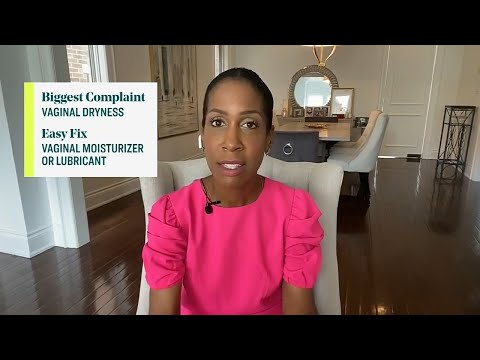
Hey there! So, let’s chat about something that’s kinda awkward but totally real: low sex drive during menopause. You know? It’s one of those things that many women experience, but hardly anyone talks about it.
Este blog ofrece contenido únicamente con fines informativos, educativos y de reflexión. La información publicada no constituye consejo médico, psicológico ni psiquiátrico, y no sustituye la evaluación, el diagnóstico, el tratamiento ni la orientación individual de un profesional debidamente acreditado. Si crees que puedes estar atravesando un problema psicológico o de salud, consulta cuanto antes con un profesional certificado antes de tomar cualquier decisión importante sobre tu bienestar. No te automediques ni inicies, suspendas o modifiques medicamentos, terapias o tratamientos por tu cuenta. Aunque intentamos que la información sea útil y precisa, no garantizamos que esté completa, actualizada o que sea adecuada. El uso de este contenido es bajo tu propia responsabilidad y su lectura no crea una relación profesional, clínica ni terapéutica con el autor o con este sitio web.
Picture this: you’re in the mood for some romance but your body has other ideas. Frustrating, right? Well, you’re definitely not alone in this boat.
There are a bunch of reasons behind it, and trust me, it’s not just you being “too tired” or “too busy.” And guess what? There are solutions out there to help you feel like yourself again.
Stick around and let’s break it all down together!
Effective Strategies to Boost Sex Drive During Menopause
So, menopause can really shake things up, right? It’s not just about hot flashes and mood swings; low sex drive is one of those sneaky side effects that can catch you off guard. Understanding the causes behind this drop in libido is super important. You see, hormonal changes play a big role. As estrogen levels fall, so can sexual desire. But hey, let’s talk strategies to help boost that drive!
- Communicate openly with your partner. Seriously, having a chat about what you’re feeling makes a big difference. Maybe it’s awkward at first, but sharing your experiences lets you both navigate this phase together.
- Consider lifestyle changes. Picture this: regular exercise isn’t just good for your body; it’s a mood booster too! Exercise releases endorphins and can improve blood flow — you know, to all the right places.
- Explore different forms of intimacy. Sometimes the pressure of “doing it” can create stress. Instead, focus on cuddling or kissing without expectations. Think of it as leveling up in a game; there are so many ways to unlock new experiences!
- Pursue relaxation techniques. Stress can be a total libido killer! Whether it’s yoga or meditation, finding ways to unwind can help clear your mind and make intimacy feel less daunting.
- Talk to your healthcare provider. This is key! Some medication adjustments might do the trick. There are treatments available that could ease symptoms associated with menopause and boost interest in sex.
- Experiment with lubricants or moisturizers. Physical discomfort during intercourse is a bummer that many face during this time. Using lubricants can enhance comfort and enjoyment—like finding the perfect power-up in your favorite game!
You might find yourself feeling different emotionally too. Hormonal shifts can impact mood and confidence levels which certainly affects desire. Remember that it’s completely okay to seek support through therapy or counseling as you navigate these changes — talking things through often lightens the load!
In the end, boosting sex drive during menopause isn’t about one magical solution; it’s often a mix of strategies tailored just for you! And always keep in mind that professional guidance is key if you’re feeling overwhelmed or confused about these changes. You’re definitely not alone on this journey!
Effective Supplements to Boost Sex Drive During Menopause: A Practical Guide
So, you’re reaching that stage in life known as menopause, and suddenly, your sex drive seems to be MIA. You’re not alone; this is a common experience for many women. Seriously, it can feel like you’re getting kicked out of a game you didn’t even know you were still playing.
Menopause can come with a bunch of changes in your body due to fluctuating hormone levels, especially estrogen and testosterone. These changes may lead to decreased libido—the big fancy term for sex drive. You get hot flashes, night sweats, mood swings, and oh yeah, the low libido might sneak in too. The thing is, while this experience is totally normal, that doesn’t mean it’s easy or that you have to just accept it.
What can you do about it? Well, let’s chat about some **effective supplements** that might help boost your sex drive during menopause. They won’t work miracles but can definitely offer some support when combined with other approaches.
- Black Cohosh: This herb has been used traditionally for menopausal symptoms. Some studies suggest it may help with hot flashes and maybe even improve libido.
- Ginseng: This one is often labeled as an “adaptogen.” It’s said to help enhance sexual arousal and reduce fatigue. You know how sometimes you’re just too tired to think about anything else? Ginseng might help with that.
- Maca Root: Think of it as the little root that could! It’s a Peruvian plant people often use for increasing energy and boosting libido.
- DHEA (Dehydroepiandrosterone): Your body produces this hormone naturally but levels drop with age. Some research indicates DHEA supplements can enhance sexual function for women after menopause.
- Zinc: This mineral isn’t just crucial for your immune system; it also plays a role in hormonal balance and may affect sexual health positively.
It’s super important though—these aren’t magic solutions that work overnight! They’re more like little players on your team helping out with the game plan.
Also—and here’s where I get all serious on you—before starting any new supplement routine, definitely chat with a healthcare professional first. Sometimes what works for one person might not be great for another.
Now let’s look beyond supplements—lifestyle changes can also do wonders! Engaging in regular exercise boosts blood flow which is key when it comes to arousal. Plus, consider talking openly with your partner about what feels good or exploring new ways to connect intimately.
You know what’s funny? Just like in those intense board games where strategy matters—sometimes it’s all about teamwork! You want to communicate openly and work together towards finding what makes both of you feel good.
In the end, tackling reduced libido during menopause isn’t just about popping pills or adding herbs to your diet; it’s often a combination approach. Lifestyle tweaks paired with the right supplements may make all the difference in reigniting that spark while reminding yourself this chapter of life can still be pretty darn exciting!
Effective Strategies for Managing Painful Sex During Menopause: Understanding the Physical and Emotional Aspects
It can feel a bit awkward to talk about painful sex during menopause, but it’s a reality that many women face. And honestly, it’s not just about the physical stuff—there’s a whole emotional side to this too. Let’s break it down.
Understanding the Physical Changes
When menopause hits, your body goes through some serious changes. You might notice:
- Hormonal shifts: Your estrogen and progesterone levels drop, which can lead to vaginal dryness.
- Pain during intercourse: This dryness can make sex painful or uncomfortable.
- Low libido: Changes in hormone levels might affect your sexual desire.
I remember my friend Sarah sharing her frustrations after she went through menopause. Sex became painful for her, and she felt disconnected from her partner. It’s tough when your body starts acting differently, right?
Navigating the Emotional Side
Along with the physical aspects, there are emotional challenges too. Many women may experience feelings like:
- Anxiety: Worrying about pain can create pressure during intimacy.
- Self-esteem issues: Feeling less desirable can take a toll on your confidence.
- Relationship strain: Painful sex can cause friction between partners.
Sarah mentioned feeling embarrassed discussing this with her partner at first. But when they started talking openly about their feelings and concerns, things improved.
Effective Strategies to Manage Painful Sex
Now that we get where the pain is coming from—both physically and emotionally—let’s chat about some strategies that could help.
- Lubrication is your friend: Using water-based or silicone-based lubricants can ease discomfort during sex. It’s like adding some smooth jazz to a rock concert!
- Pelvic floor exercises: These exercises help strengthen pelvic muscles and improve blood circulation. Think of it as giving your pelvic muscles a workout just like you would any other muscle group!
- Taking time for intimacy: Focus on non-sexual forms of intimacy first, like cuddling or kissing. This helps ease anxiety around sex itself.
- Open communication with your partner: Share what feels good or uncomfortable without any hesitation—it could bring you two closer together!
- Experiment with different positions: Some positions might feel more comfortable than others. It’s all about finding what works best for both of you.
Some women also find solace in talking to healthcare professionals who specialize in menopause-related issues. You know? Getting professional advice can provide tailored solutions aimed at relieving discomfort.
The Takeaway
Menopause brings lots of changes, both physically and emotionally. Embracing these changes doesn’t have to be lonely or awkward; open communication and exploration of effective strategies may improve your experience significantly.
Just remember: You’re not alone in this journey! It’s totally okay to seek help and gather information that suits your needs specifically—I mean who wouldn’t want to make their experience better? Keep the conversation going!
Menopause can feel like a rollercoaster ride. One minute you’re flying high, and the next, you’re in a downward spiral. A big part of that emotional shift can be your sex drive taking a nosedive. Seriously, it’s something many people experience, but it often feels like a quiet topic no one wants to talk about.
Now, low sex drive during menopause isn’t just about getting older; it can be influenced by all sorts of things. You know, hormonal changes are at the root of it—a decline in estrogen and progesterone can really mess with your libido. And it’s not just hormones; there’s also stress from life changes, sleep disturbances (thanks to those pesky night sweats), and even feelings of self-esteem that might dip during this time.
I remember chatting with a friend who was navigating menopause. She shared how she’d gone from being spontaneous and enjoying intimacy to feeling like she was just going through the motions. It felt hard for her to connect emotionally when physical desire seemed to vanish overnight, you know? It wasn’t just about sex—it affected her whole relationship.
But here’s the thing: you don’t have to suffer in silence! There are solutions out there. I mean, communication with your partner can work wonders. Just being open about how you’re feeling might alleviate some pressure from both sides. Plus, there are options like lifestyle changes—regular exercise helps boost mood and energy (hello endorphins), or perhaps exploring relaxation techniques to calm your mind.
On top of that, there are medical options too! Hormone replacement therapy (HRT) is one route some people take; it helps balance those hormones out again. There are also lubricants and moisturizers designed specifically for this phase of life that can make things more comfortable.
It’s essential to remember that low libido doesn’t define your worth or the vitality of your relationship. You’re still you! With a little exploration—both emotionally and physically—you might find new ways to connect with your partner that deepen intimacy beyond traditional definitions.
In the end, tackling low sex drive during menopause boils down to understanding what’s going on inside—and outside—of us. Remembering you’re not alone in this journey is key too! So keep talking, keep trying new things, and don’t hesitate to reach out for help if you need it. You’ve got this!