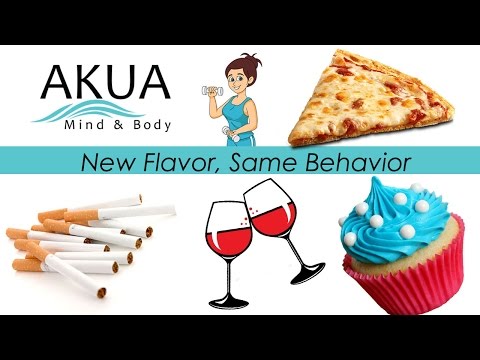
You know what’s wild? Sometimes, people don’t just get hooked on one thing. They end up juggling different substances and that’s called cross addiction.
Este blog ofrece contenido únicamente con fines informativos, educativos y de reflexión. La información publicada no constituye consejo médico, psicológico ni psiquiátrico, y no sustituye la evaluación, el diagnóstico, el tratamiento ni la orientación individual de un profesional debidamente acreditado. Si crees que puedes estar atravesando un problema psicológico o de salud, consulta cuanto antes con un profesional certificado antes de tomar cualquier decisión importante sobre tu bienestar. No te automediques ni inicies, suspendas o modifiques medicamentos, terapias o tratamientos por tu cuenta. Aunque intentamos que la información sea útil y precisa, no garantizamos que esté completa, actualizada o que sea adecuada. El uso de este contenido es bajo tu propia responsabilidad y su lectura no crea una relación profesional, clínica ni terapéutica con el autor o con este sitio web.
Imagine someone who loves coffee but also can’t resist a drink—totally relatable, right? But it goes deeper than that. It’s like your brain gets stuck in a loop, craving more and more of different things.
Here’s the kicker: it can sneak up on you! It starts small and before you know it, you’re in the deep end without realizing how you got there.
Let’s chat about this. It’s not just about saying no to one thing; it’s actually about understanding why we reach for multiple escapes. Sound good?
Understanding the Two Types of Dependencies That Can Develop from Addiction
So, let’s chat about addiction and the two types of dependencies that can spin off from it. It’s a bit like being stuck in a web, you know? You think you’re free, and then—bam!—there’s another sticky strand pulling you back in.
Addiction usually brings along two kinds of dependencies: psychological and physical. Let’s break them down.
1. Psychological Dependency
This is all about your mind playing tricks on you. You might feel like you need the substance to cope or function in life. Think of it this way: it’s like being addicted to a video game where you feel that if you’re not playing, you’ll miss out on something huge. The game isn’t physically harmful, but the time spent can take over your life.
- Emotional Triggers: Stressful situations often push people back toward their substance of choice.
- Coping Mechanism: It may start as a fun escape but turns into an essential way to face daily challenges.
Imagine someone who turns to alcohol after every bad day at work. They start believing they can’t relax without that drink, which solidifies their dependency on it emotionally. Your brain gets wired to think that the substance is necessary for happiness or relief.
2. Physical Dependency
Then we have physical dependency, which is more literal and can be pretty rough. Your body gets so used to a substance that it starts needing it just to function normally. When it’s taken away? Uh-oh! Withdrawal symptoms kick in, which can be anything from shaking and sweating to cravings that seem unbearable.
- Tolerance Builds Up: Over time, you need more of the substance to achieve the same effect.
- Withdrawal Symptoms: When trying to quit, your body reacts negatively without the substance.
Take someone hooked on opioids; they might start with pain relief but soon find themselves needing higher doses just to feel “okay.” And when they try stopping? That body craves its fix desperately.
Now here’s where things get tricky: both types of dependency can overlap and fuel each other. It’s like using cheat codes in a game—you might think you’re getting better at it, but eventually you’ll find yourself lost in a maze with no clear exit.
It’s really important to remember: if you or someone close is facing these struggles, professional help is crucial! No blog post can replace real-life support from counselors or healthcare providers who understand what you’re going through.
And hey, just like leveling up in any game requires strategy and patience, breaking free from these dependencies takes time and effort too! Stay strong; there are paths out there waiting for you.
Understanding Cross Addiction: Definition, Causes, and Implications
When we talk about cross addiction, it’s like opening a door to a maze of dependencies. Basically, cross addiction is when someone who’s trying to recover from one addiction ends up picking up another one. It’s pretty common, and it can happen in different ways.
Imagine you’re playing your favorite video game, and you finally beat that hard level. You might feel pumped and want more challenges. But if you get too obsessed with gaming, it can actually become an escape from something else that’s bothering you—like stress or loneliness. That’s kind of like what happens with cross addiction; the new “game” is just another way to cope.
So, why does this happen? Well, there are a few reasons:
- Genetics: Some people might have a family history of addiction which makes them more vulnerable.
- Emotional Triggers: When we face stress or emotional pain, the urge to seek relief can lead us down the path of another addiction.
- Coping Mechanisms: Sometimes people don’t know how to cope with real-life problems, so they turn to substances or behaviors instead.
- Environment: Being in a setting where substances are commonly used can tempt someone back into old habits.
Now here’s where things get tricky. Let’s say someone is recovering from alcohol dependency but then starts smoking cigarettes or even develops a gambling habit instead. The underlying issues haven’t been addressed; they’re just manifesting in another form.
It reminds me of this story I heard about a guy named Mark. He had struggled with alcohol for years and finally got sober, feeling so proud of himself! But then he discovered online shopping as a way to fill that void. At first, it felt great because he was getting those instant hits of joy from his new purchases—until his credit card bill showed up!
And here’s the thing: cross addiction often comes from trying to fill an emotional gap rather than address what caused the original addiction in the first place. You might think shifting your focus helps but really? It can turn into an infinite cycle if you don’t tackle those root issues.
Getting professional help is super important if you see any signs of cross addiction popping up in your life or someone else’s—like suddenly becoming overly attached to gaming after quitting something else. Therapists can provide tools and strategies that go deeper than just swapping one vice for another.
In short, cross addiction doesn’t replace your original issues; it often highlights them! It’s essential to recognize when you’re slipping into something new and seek support before finding yourself lost again in that maze. You deserve better than just switching games on the same console; you want to level up in life!
Understanding the 3 P’s of Addiction: A Clear Guide to Identifying Patterns and Influences
Addiction is a complex issue, with many layers to peel back. One helpful way to look at it is through the lens of the 3 P’s of Addiction: Patterns, People, and Places. Each of these plays a vital role in how addiction develops and manifests, especially when it comes to something like cross addiction, where someone battles multiple substance dependencies.
First up is Patterns. This refers to the behaviors and routines surrounding substance use. You can think about it like a game where your character keeps making the same choices that lead them down a perilous path. For example, if you find yourself reaching for alcohol every time you’re stressed or bored, that’s a pattern! These repetitive behaviors can create strong mental pathways, making it hard to break free from drinking or using other substances.
Next is People. Look around at your circle—who are you hanging out with? If you’re surrounded by friends who use drugs or drink heavily, you might feel some pressure to join in. It’s kind of like that multiplayer game where your teammates keep pushing for risky moves—sometimes you just go along with it! Supportive relationships can help fight addiction but toxic ones may deepen your struggles with cross addiction.
Now let’s chat about Places. This one’s all about environments and situations that encourage substance use. Maybe it’s a particular bar you always go to after work or even a friend’s house where everyone has a drink in hand. It’s similar to levels in games: if you’re always playing on the same challenging level without changing tactics, you’re likely going to keep facing the same obstacles! Changing your environment can be key in managing cravings and breaking those addictive loops.
To wrap this all up—when dealing with addiction (especially multiple dependencies)—recognizing these three elements can make a big difference. Patterns of behavior trap us; people around us either lift us up or drag us down; and places we hang out shape our choices. So paying attention is crucial.
Remember, though: while understanding these dynamics is essential for navigating through challenges like cross addiction, they’re not substitutes for professional help. If you feel overwhelmed by any of this, don’t hesitate to reach out for support from counselors or support groups who get it.
- Patterns: Recognize your routines related to substance use.
- People: Assess how your relationships impact your habits.
- Places: Be aware of environments that trigger cravings.
Stay curious about yourself and keep learning—it’s all part of the journey! You’re not alone in this fight; there are ways forward if you’re willing to take that step.
You know, cross addiction is one of those topics that can feel a bit heavy but super important. I mean, when we talk about addiction, we often think of one substance—like alcohol or drugs—but what happens when you find yourself juggling more than one? That’s where cross addiction comes into play.
Imagine this: you’ve been struggling with alcohol for a while. You decide it’s time to get sober and really turn your life around. But then, you start to notice that you’re leaning heavily on something else, like coffee or even prescription medication to cope with stress. It might seem harmless at first, but before long, that new dependency sneaks up on you. Basically, you’re just swapping one for another without realizing it.
The thing is, our brains are wired for pleasure and reward. So when you cut off the supply of one substance that gives you that dopamine rush—poof!—your brain starts craving something else to fill the void. That’s why it can be so easy to fall into this cycle where your focus shifts from one addiction to another.
I remember listening to a friend who was on such a journey. They’d kicked smoking cigarettes but soon found themselves binge-watching every show possible instead. They thought they were doing great by not smoking anymore; however, they ended up losing track of time and neglecting everything else in their life because they were glued to the screen every day! It’s wild how our minds can go searching for substitutes like that.
And it’s not just about the substances themselves; it’s also about what drives us towards them in the first place—stress, anxiety, or maybe just boredom! Finding healthier coping strategies is essential if you want to break free from this cycle (and believe me, it’s totally doable).
Support systems play a huge role too. Talking with friends or support groups can really help keep things in check. You’ve got people who understand what you’re going through and aren’t afraid to call you out when they see old habits trying to creep back in.
At the end of the day, recognizing cross addiction is all about being mindful of your choices and understanding your triggers. If something feels off or if you find yourself leaning toward another dependency after ditching an old one—well, maybe it’s time for some self-reflection! Taking a step back and thinking about why you’re reaching for that next fix could be really eye-opening.
So yeah, navigating through multiple dependencies isn’t easy but knowing it’s possible makes all the difference! Just take it one step at a time—you got this!