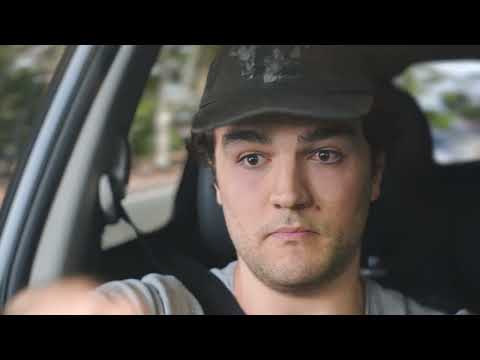
You know that feeling when you’re driving late at night? Everything gets a bit fuzzy, and you find yourself nodding off.
Este blog ofrece contenido únicamente con fines informativos, educativos y de reflexión. La información publicada no constituye consejo médico, psicológico ni psiquiátrico, y no sustituye la evaluación, el diagnóstico, el tratamiento ni la orientación individual de un profesional debidamente acreditado. Si crees que puedes estar atravesando un problema psicológico o de salud, consulta cuanto antes con un profesional certificado antes de tomar cualquier decisión importante sobre tu bienestar. No te automediques ni inicies, suspendas o modifiques medicamentos, terapias o tratamientos por tu cuenta. Aunque intentamos que la información sea útil y precisa, no garantizamos que esté completa, actualizada o que sea adecuada. El uso de este contenido es bajo tu propia responsabilidad y su lectura no crea una relación profesional, clínica ni terapéutica con el autor o con este sitio web.
It’s so easy to brush it off, right? Like, “I can make it home.” But here’s the thing: driving while tired is no joke.
Seriously. It can be just as risky as driving drunk. And let’s face it, nobody wants to be in a sketchy situation like that.
So let’s chat about what happens when you push through exhaustion behind the wheel. Because honestly, it’s not worth the risk!
Understanding the Psychological and Physical Risks Associated with Driving
Driving can be a serious business, you know? We’re often just cruising along, music playing, when suddenly we get hit with the reality of how risky it can be—especially when you’re driving tired. Let’s break it down and see what’s really going on.
First off, being tired behind the wheel is like playing a video game on low energy. Imagine trying to beat that challenging boss while half asleep—pretty tough, right? The same goes for driving. Fatigue messes with your focus and reaction time. It’s like trying to operate a game controller that isn’t fully charged.
Now, let’s look at some of the **risks associated with driving while tired**:
- Slower Reaction Times: When you’re yawning more than thinking, your brain doesn’t react as quickly as it should. This lag can make all the difference in preventing an accident.
- Impaired Judgment: Sophisticated decision-making goes out the window when you’re sleep-deprived. You might misjudge distances or underestimate how fast you’re going.
- Increased Risk of Falling Asleep: If you’re really drowsy, there’s a chance you could literally doze off while driving. Just five seconds of nodding off can lead to catastrophic results.
- Mood Swings: Feeling irritable? Tiredness could crank up those mood swings and affect how you handle stress on the road.
A friend of mine had this real eye-opening experience. She was driving home late one night after a long shift at work. She felt herself nodding off, but pushed through because she thought she’d be fine—big mistake! Just as she was coming up to a red light, her eyelids got heavy; luckily she noticed just in time. Scary stuff!
But it isn’t just about fatigue; there are also some **physical risks** involved:
- Higher Blood Pressure: Stress from worrying about not falling asleep can actually raise your blood pressure—definitely not ideal while navigating traffic.
- Aches and Pains: Long hours behind the wheel without breaks can lead to discomfort and issues like back pain or cramps—making it even harder to stay alert.
The bottom line is that driving while tired is risky—not just for you but also for others on the road. If you find yourself feeling sleepy or unfocused, it’s better to pull over and take a break or even switch drivers if possible.
So remember: prioritizing rest isn’t just about getting enough sleep overnight—it’s crucial before hitting the road too! And hey, if fatigue becomes an ongoing issue affecting your daily life or safety while driving, consider reaching out to a health professional for guidance.
Keeping these risks in mind will help keep everyone safer on roads and highways!
The Risks and Consequences of Driving Tired: Understanding the Psychological Dangers
Driving tired is kind of like playing a video game with your eyes half-shut. You think you’re fine, but man, your reaction speed drops like a rock! It’s not just about feeling sluggish; there are some serious psychological dangers at play here that can make a simple drive turn into a risky adventure.
When you’re fatigued, your brain doesn’t work like it should. You lose focus, and decision-making? Forget about it! Here are some things to keep in mind:
- Impaired Judgment: Tired drivers might take unnecessary risks or misjudge distances. Imagine trying to make a tricky jump in Mario Kart after staying up all night—pretty much the same vibe.
- Slowed Reaction Time: Your reflexes start to lag when you’re not well-rested. It’s like playing Call of Duty with a delay; you’re not quick enough to dodge enemy fire—or potential accidents on the road.
- Microsleeps: These are short bursts of sleep that last only seconds. You might not even realize it’s happening! It’s as if your game console goes into sleep mode while you’re still holding the controller.
- Mood Changes: Fatigue can mess with your emotions, leading to irritability or mood swings. It’s like when you’re trying to stay focused in a strategy game but get randomly frustrated and throw down the controller.
- Cognitive Impairment: Your ability to process information declines when you’re tired. Complex situations become way more challenging—like trying to solve puzzles in Zelda while low on energy.
So, what’s at stake here? Well, numerous studies show that driving tired is actually comparable to driving under the influence of alcohol in terms of risk levels. Scary thought, huh? A drowsy driver can cause serious accidents—not just for themselves but for others on the road too.
Here’s an emotional example: Consider someone who just pulled an all-nighter studying for finals. They think they can still make it home without any issues. But as they drive further along, they start struggling to keep their eyes open—bam! An accident happens because they didn’t realize how dangerously tired they were until it was too late.
And let’s be real: recognizing fatigue is tough sometimes because you might feel invincible or overly confident when you’re behind the wheel! But seriously, taking a break could save lives—yours included.
Think about ways to catch some z’s before hitting the road again:
- Naps: A quick power nap can do wonders!
- Caffeine Boost: Coffee or energy drinks may help temporarily, but don’t rely solely on them.
In summary, driving tired poses several significant psychological risks that increase danger on the roads. Never hesitate to pull over if you feel drowsy; it’s always better safe than sorry. If fatigue becomes a constant issue for you, chatting with a professional could be beneficial—it could really help sort things out and ensure you’re sharp and ready when it’s time to hit the road again!
Understanding Drowsy Driving Statistics: The Impact of Fatigue on Road Safety
Driving while drowsy is a serious issue. Fatigue affects your reaction time, awareness, and decision-making skills. Think about it: if you’re even slightly sleepy, your ability to focus on the road can drop significantly. It’s like trying to play video games after staying up all night—your reflexes are off, and you might miss obvious dangers.
- Statistics show that drowsy driving contributes to thousands of accidents each year. In fact, the National Highway Traffic Safety Administration estimates that approximately 100,000 crashes annually can be attributed to drowsy driving.
- Fatigue can impair you as much as alcohol. Studies have found that being awake for 18 hours is akin to having a blood alcohol concentration of 0.05%. That’s already over the legal limit in many places!
- Young adults are especially at risk. If you’re in your late teens or early twenties, you’re more likely to drive when tired. Late-night outings and early morning classes pull on your sleep schedule.
- Common signs of fatigue include yawning, heavy eyelids, and difficulty recalling the last few miles you’ve driven. Once you’re feeling these signs, it’s often too late; you’re already impaired.
- The risk increases on long trips or during late-night drives. The darker it gets outside, the sleepier you might feel—it’s like your body assumes it’s time for bed!
Let’s not forget about personal stories too. I remember this one time a friend of mine was driving home late after studying all night for exams. He thought he could make it without stopping. Just minutes later, he swerved into another lane. Luckily, no other cars were around! But that heartbeat in his throat taught him a lesson about how real drowsiness is when behind the wheel.
Another interesting tidbit is how drowsy drivers often don’t realize they’re tired until it’s too late. If you’re starting to drift off—or even just zoning in and out—you should really consider pulling over. A quick nap or coffee break could save lives.
In short, drowsy driving isn’t just a minor inconvenience; it’s a serious risk for everyone on the road. Whether it’s losing concentration or misjudging distances because you’re nodding off, fatigue can lead to tragic results.
So next time you think about pushing through tiredness for a drive—just remember: safety first! If you find yourself yawning or struggling to keep your eyes open while driving, it’s best to stop somewhere safe and take a break before continuing on your journey. Always prioritize rest because nobody wants to become part of those alarming statistics!
Driving tired is like playing with fire, you know? It’s so easy to brush off how sleepy you are, thinking you can power through it. I mean, we’ve all had those late nights, right? Maybe you were binge-watching your favorite show or cramming for finals. The next thing you know, it’s 2 a.m., and you’re wondering if putting one more episode on is worth the risk of dozing off behind the wheel.
Just picture this: last summer, my buddy Jake was driving home after a long day at work. He thought he could make it back without a pit stop. But as he drove, his eyelids felt heavier than lead. Suddenly, he blinked and woke up just in time to swerve back into his lane. That’s when it hit him—the adrenaline rush was intense, but the fear… wow! He could’ve seriously hurt himself or someone else.
Fatigue affects your reaction time and decision-making abilities. It’s like trying to run a race while wearing shoes two sizes too big—clumsy and slow! Your focus drifts off, and that instant of distraction can lead to disaster.
So what’s going on with our bodies when we’re tired? Well, when you’re sleep-deprived (and trust me—it’s only getting worse with that extra cup of coffee), your brain struggles to function properly. You might think you’re alert enough to drive, but studies show that driving after being awake for 18 hours is pretty much like driving over the limit for alcohol. Crazy, right?
And here’s another thing: it’s not just about you being tired; it’s also how your sleepy drive affects others. A drowsy driver poses risks not only for themselves but also for pedestrians and other drivers on the road. It’s like spreading a blanket of danger across the highway.
In the end, prioritizing rest isn’t just about catching Z’s; it’s about keeping everyone safe out there! If you’re feeling drowsy before hitting the road, consider pulling over to rest up or call a friend for a ride home. You’ll thank yourself later!