Hey you! Let’s talk about anxiety. Seriously, it’s way more common than you might think.
Este blog ofrece contenido únicamente con fines informativos, educativos y de reflexión. La información publicada no constituye consejo médico, psicológico ni psiquiátrico, y no sustituye la evaluación, el diagnóstico, el tratamiento ni la orientación individual de un profesional debidamente acreditado. Si crees que puedes estar atravesando un problema psicológico o de salud, consulta cuanto antes con un profesional certificado antes de tomar cualquier decisión importante sobre tu bienestar. No te automediques ni inicies, suspendas o modifiques medicamentos, terapias o tratamientos por tu cuenta. Aunque intentamos que la información sea útil y precisa, no garantizamos que esté completa, actualizada o que sea adecuada. El uso de este contenido es bajo tu propia responsabilidad y su lectura no crea una relación profesional, clínica ni terapéutica con el autor o con este sitio web.
Ever catch yourself worrying about a small thing and then suddenly it feels like the world is crashing down? Yeah, that’s anxiety sneaking in.
It can be a total rollercoaster ride of emotions. One moment you’re fine, and then bam! Your heart races, your thoughts go wild, and everything feels overwhelming.
But you’re not alone in this. Tons of people experience it at some point. It’s like that unwanted guest who just won’t leave the party, am I right?
So let’s break it down together—what anxiety is, how it shows up in our lives, and its effects on us. Ready to dive into this?
Understanding Anxiety: A Comprehensive Definition and Its Psychological Implications
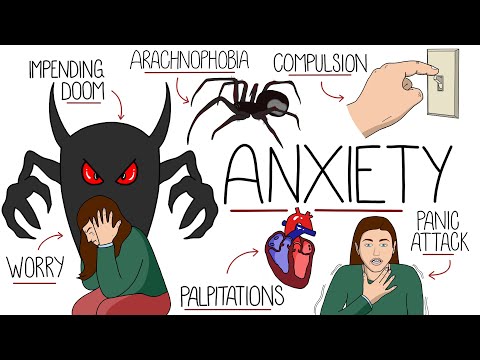
Anxiety can feel like that annoying buzz in the back of your mind that just won’t quit. It’s like your brain is always on high alert, ready to react to something, even when there’s nothing to worry about. It’s totally normal to feel anxious sometimes, but when it becomes overwhelming or persistent, it can really affect how you live your life.
To put it simply, anxiety is a feeling of unease and worry. But it goes deeper than just a fleeting sense of worry before a big test or presentation. It can turn into something more serious, impacting your daily routine and relationships. Think about playing a video game where there’s constant low health; every decision feels much riskier than it should be.
Here are some key points to consider:
- Physical Symptoms: Anxiety can show up in physical ways too—like you might sweat more, feel shaky, or have trouble breathing. It’s like those moments in intense games when your heart races because you’re about to face a boss.
- Cognitive Effects: Your thoughts can become racing and negative patterns might form. You might find yourself stuck in loops of “what if” scenarios that drain your energy.
- Impact on Daily Life: Anxiety doesn’t just hang around in your head; it messes with real-life experiences. You might dodge social situations or avoid trying something new altogether because you’re worried about how it will go.
Imagine wanting to join a new group of friends for a game night but feeling paralyzed by the fear of judgment. That’s anxiety influencing your choices.
So what causes this? Well, several factors come into play:
- Genetics: If anxiety runs in the family, you might be more likely to experience similar feelings.
- Brain Chemistry: Neurotransmitters like serotonin play roles in mood regulation—when these are off-balance, anxiety could spike.
- Life Experiences: Traumatic events or major life changes often act as triggers for anxiety disorders.
It’s important to recognize that you’re not alone in this struggle! Many people experience anxiety at different levels through their lives.
Now let’s talk about the types of anxiety disorders. Here are some common ones:
- Panic Disorder: Characterized by sudden panic attacks—these intense episodes come out of nowhere!
- SOCIAL ANXIETY DISORDER: This one makes social situations feel incredibly daunting; think of how nerve-wracking that first day at school can be for some people.
- SPECIFIC PHOBIAS: It’s when fear becomes so strong that specific things (like spiders or flying) become unmanageable.
You probably know someone who deals with one or more of these disorders—and they’re not alone. Millions face these challenges daily!
The psychological implications are pretty massive too. Living with anxiety doesn’t mean someone isn’t strong; rather, it’s an ongoing battle that takes resilience and support to navigate. Every effort counts!
Don’t forget: if you’re experiencing overwhelming anxiety symptoms, reaching out for help from professionals is key—they’ve got tools and strategies designed specifically for managing this stuff better than any cheat code ever could.
In summary? Anxiety is complex but super common! Understanding its roots can help us be kinder to ourselves (and others) who may be struggling with it too!
Understanding 11 Types of Anxiety Disorders: Symptoms and Treatment Options
Anxiety is like that annoying friend who shows up uninvited. It’s always there, lurking in the background, sometimes really impacting how you live your life. You might be surprised to learn that there are **11 different types of anxiety disorders**, each with its own quirks and symptoms. Here’s a quick rundown to help you navigate this complex emotional jungle.
1. Generalized Anxiety Disorder (GAD)
GAD is when you feel nervous or worried about basically everything most of the time. You know, work, health, family—everything! Symptoms can include restlessness and trouble concentrating. It’s like playing a video game where you’re constantly dodging obstacles but can’t seem to find a safe space.
2. Panic Disorder
This one hits hard and fast! A panic disorder involves sudden panic attacks, where your heart races, and you may feel dizzy or even like you’re losing control. It’s no fun at all—imagine being in a high-pressure game level with no way out.
3. Social Anxiety Disorder
Ever felt super anxious about talking to people? That’s social anxiety for you. It can make everyday situations like going to parties or even just speaking in class feel overwhelming. It’s like being stuck on a level where every interaction feels like an epic battle.
4. Specific Phobias
These are intense fears related to specific things or situations—like fear of spiders or heights. The symptoms can go from sweating to full-blown panic just thinking about the object of fear! Picture trying to play a horror game and that jump scare gets you every time!
5. Agoraphobia
Agoraphobia is the fear of being in situations where escape might be difficult—like large crowds or open spaces. For some people, it becomes easier to stay home than face those fears outside—kinda like hiding away from the boss battle after getting smacked down too many times.
6. Separation Anxiety Disorder
This isn’t just for kids! Adults can experience strong feelings when separated from loved ones too. Symptoms include extreme worry about losing someone important—a bit like feeling lost in an open-world game without a map!
7. Selective Mutism
Usually seen in kids, this is when someone can’t speak in certain social situations despite being able to talk comfortably at home or with family—but hey, it’s not as rare as you’d think! Imagine having the skills but feeling “on mute” when it counts the most.
8. Substance/Medication-Induced Anxiety Disorder
Sometimes anxiety pops up because of substance use—whether it’s caffeine overload or withdrawal from medications or drugs—you name it! It’s kind of like eating too much spicy food; it can totally throw off your mood!
9. Anxiety Due to Another Medical Condition
Certain medical conditions can trigger anxiety symptoms too, including heart issues or thyroid problems—sort of how power-ups don’t work if you’re missing energy!
10. Obsessive-Compulsive Disorder (OCD)
Though often labeled as just “being neat,” OCD is much more complicated involving obsessive thoughts that lead to compulsive behaviors—for example, feeling anxious unless everything is perfectly arranged on your desk before doing anything else.
11. Post-Traumatic Stress Disorder (PTSD)
PTSD comes from experiencing trauma; flashbacks and nightmares often invade waking life with constant reminders—you might feel as if you’re stuck replaying an awful level over and over again.
So now that we’ve explored the types of these pesky disorders, let’s take a peek at some treatment options:
- Therapy:
- Cognitive Behavioral Therapy (CBT) helps reframe negative thoughts.
- Treatment through exposure therapy gradually introduces fears.
- Medications:
- Anxiolytics and antidepressants can help manage symptoms.
- A doctor will guide you through options tailored for your needs.
- Lifestyle Changes:
- Meditation and mindfulness practices
- A regular exercise routine helps release pent-up energy!
- Adequate Support Systems:
- Talking with friends or family creates helpful support networks.
- You’re not alone; sharing experiences helps lighten burdens!
While understanding these disorders can be incredibly helpful for anyone dealing with anxiety themselves—or helping someone who is—it doesn’t replace professional help! Connecting with mental health experts is vital for getting tailored support because sometimes DIY paths need expert navigation!
Understanding the Effects of Anxiety on Daily Life and Well-Being
Anxiety is one of those things that can sneak up on you, right? It’s like when you’re playing a game, and suddenly the timer starts counting down faster. Your heart races, your palms get a little sweaty, and you’re not really sure what to do next. That’s anxiety in action. It’s basically your body’s way of saying, “Hey! Something feels off!”
You see, anxiety isn’t just about feeling anxious from time to time; it can have *serious* effects on your daily life and well-being. Here are some key points to think about:
- Physical Symptoms: You might notice headaches, stomachaches, or even muscle tension. It’s like when you’re gripping the controller too tight in a game; eventually, it starts to hurt!
- Mood Changes: Anxiety can make you feel irritable or moody. One minute you’re fine playing your favorite game; the next, everything feels overwhelming.
- Social Interaction: You might avoid hanging out with friends or going to social events because anxiety makes you feel uncomfortable. Kind of like skipping a multiplayer match because you’re worried about losing.
- Cognitive Effects: It can mess with your concentration and memory too. Think about trying to focus on strategy while under pressure; it’s tough! That’s what anxiety does—makes it hard to think clearly.
- Sleep Disturbances: If you’re constantly racing through scenarios in your head at night, good luck getting any quality sleep. You know how you feel sluggish after a late-night gaming session? Anxiety can do that too!
Let me share a quick story here: A friend of mine started experiencing anxiety during college exams. The pressure was intense! She’d stay up all night studying but couldn’t focus on her notes because her mind kept racing with “What ifs?” She ended up stressing so much that she couldn’t even enjoy her downtime with friends between exams.
All these factors combined can lead to decreased quality of life. Imagine trying to enjoy that awesome new video game release but feeling too anxious to fully engage with it—yeah, not fun at all.
But here’s where it gets important: if you’re struggling with anxiety that affects daily living or well-being, talking to someone—like a mental health professional—can really help sort things out. All those feelings don’t have to be bottled up inside!
In the end, getting a handle on anxiety is like leveling up in a game—you’ll need some support and maybe even new strategies along the way!
Anxiety, ugh, it’s like that unwelcome buddy who shows up at the worst times. You know that feeling, right? Your heart races, palms get sweaty, and suddenly a simple task feels like climbing a mountain. It can sneak up on you when you’re about to speak in front of a crowd or even as you just try to enjoy a relaxing moment. Seriously, it can be overwhelming.
So let’s take a minute to reflect on anxiety and how it messes with our heads. It’s not just about being nervous or worried; it can have real effects on our daily lives. Like, say you’re trying to concentrate on work but your mind keeps racing—thoughts swirling around like leaves in the wind—that’s anxiety playing its game.
There are different flavors of anxiety too! Generalized Anxiety Disorder (GAD) can make you feel like you’re constantly on edge about everything. Then there’s social anxiety which is like having a spotlight on you 24/7—you’re always worried about what others think. And let’s not forget panic attacks; those sudden bursts of fear hit like a freight train outta nowhere.
I remember this one time—I was late for an important meeting and my stomach dropped as I rushed to get there. Once I sat down, all I could think was “What if I mess up?” My hands were shaking and my voice felt stuck in my throat. That moment encapsulated the pressure anxiety puts on us—it steals away the joy from situations where we should feel confident.
But here’s the thing: you’re not alone in this battle with anxiety. Many people share similar feelings or experiences; it’s more common than we often realize. A big part of coping is recognizing those emotions instead of hiding from them.
And don’t overlook how vital self-care is! Finding ways to calm your mind—like taking deep breaths, getting lost in your favorite hobby, or even talking with someone—can really help when facing that anxious fog.
In wrapping this all up (not that I’m putting a bow on such an intense topic), just remember that feeling anxious is part of being human. We all struggle sometimes; it’s okay to reach out for help or lean into things that bring us peace and comfort too!