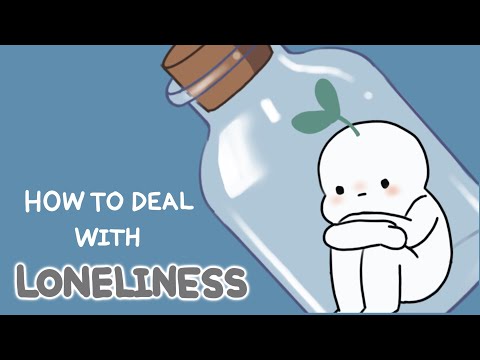
Emotional needs, huh? It’s a topic that hits home for a lot of us. You know how it feels when something’s just… off?
Este blog ofrece contenido únicamente con fines informativos, educativos y de reflexión. La información publicada no constituye consejo médico, psicológico ni psiquiátrico, y no sustituye la evaluación, el diagnóstico, el tratamiento ni la orientación individual de un profesional debidamente acreditado. Si crees que puedes estar atravesando un problema psicológico o de salud, consulta cuanto antes con un profesional certificado antes de tomar cualquier decisión importante sobre tu bienestar. No te automediques ni inicies, suspendas o modifiques medicamentos, terapias o tratamientos por tu cuenta. Aunque intentamos que la información sea útil y precisa, no garantizamos que esté completa, actualizada o que sea adecuada. El uso de este contenido es bajo tu propia responsabilidad y su lectura no crea una relación profesional, clínica ni terapéutica con el autor o con este sitio web.
We all have these invisible, deep-down cravings for connection, understanding, and purpose. Seriously, when was the last time you thought about what you really need emotionally?
I mean, we’re not just robots going through the motions. We’re human beings fueled by feelings, and those feelings shape our growth.
So let’s chat about what emotional needs really are and how they can seriously impact your life. Yeah? Cool!
7 Essential Elements of Emotional Development: A Comprehensive Guide
Alright, let’s chat about emotional development. It’s a journey, kind of like leveling up in a game. When you think about your emotional needs and growth, there’s so much to consider. Here are some key elements that really matter.
Self-awareness is the first biggie. You need to recognize your feelings and understand what triggers them. Like when you’re playing a competitive video game and you get frustrated after losing. Noticing that feeling of anger is the first step to managing it.
Then there’s empathy. This one’s crucial for connecting with others. It’s all about putting yourself in someone else’s shoes. Imagine your friend is having a tough time. Instead of brushing it off, maybe you try to feel what they’re feeling. That connection helps strengthen your relationships.
Next up is regulation of emotions. This means knowing how to manage those feelings when they come up—like finding a way to calm down after an intense match instead of throwing your controller (we’ve all been there!). Techniques like deep breathing or counting to ten can really help here.
Now, don’t forget about motivation. Motivation isn’t just about getting good grades or winning games; it’s tied to your emotions too! Finding joy in achievements, whether big or small enhances emotional health tremendously.
Another important element is social skills. You know how important communication is when teaming up with friends in multiplayer games? Skills like listening actively and expressing yourself clearly can make or break those teams. It’s all about building connections!
Resilience deserves a shout-out too! Life throws curveballs, right? Learning how to bounce back from setbacks makes you stronger emotionally—kind of like respawning after being defeated in a game!
Last but not least: self-acceptance. Embracing who you are, flaws and all, creates a solid foundation for emotional growth. It’s alright if you’re not perfect at everything; even the best players have their off days!
In summary, the journey of emotional development involves:
- Self-awareness
- Empathy
- Emotion regulation
- Motivation
- Social skills
- Resilience
- Self-acceptance
These elements make up our emotional landscape as we grow and navigate life together! Just remember though—if things get too heavy or complicated, reaching out for professional help is always the best choice; it doesn’t mean you’re weak—it shows strength!
Understanding the 27 Emotional States: A Comprehensive Guide to Human Emotions
Emotions can be quite the rollercoaster, can’t they? One minute you’re on top of the world, and the next you feel like you’ve hit rock bottom. Understanding these emotional states can really help you navigate through your own feelings. There are around **27 emotional states** that encompass the vast landscape of human emotions. Let’s take a look at some key categories and examples!
1. Basic Emotions
These are pretty much universal and include feelings like happiness, sadness, fear, anger, surprise, and disgust. Think about a time when you were really angry—maybe someone cut you off in traffic. That surge of energy is pure anger.
2. Complex Emotions
These feelings are combinations or variations of basic emotions. For instance:
- Jealousy: A mix of fear (of losing something) and sadness.
- Pride: An uplifting feeling that blends happiness with accomplishment.
3. Positive Emotional States
Feeling great? Here are some positive emotional states to appreciate!
- Elation: That amazing buzz when you achieve something big!
- Gratitude: Feeling thankful? It lifts your mood and connects you to others.
4. Negative Emotional States
These emotions can be tough to handle but acknowledging them is crucial:
- Anxiety: Think of that jittery feeling before giving a presentation.
- LONELINESS: That heavy sensation when you feel disconnected from others.
Now, let’s talk about how all these emotions interact with each other! They’re like players on a sports team; sometimes they work together beautifully but other times it’s just chaos! Take grief for example—it often combines sadness with anger and confusion after losing someone dear.
And here’s where it gets interesting—emotional growth! Recognizing what you’re feeling isn’t just for awareness; it helps you grow too! You might find yourself playing a video game where your character has to level up by facing challenges (like dealing with stress). As they progress, they unlock stronger skills—sort of like we do emotionally.
But remember, while exploring these emotional states is so important for personal growth, it’s always best to reach out for professional help if you’re struggling. Therapy isn’t just for crises; it can also be a great way to understand your own emotional landscape better.
So there you have it—a little peek into the rich tapestry of human emotions. By recognizing what each state feels like, we can become more equipped to deal with them as they come up in our lives!
Understanding the 4 Types of Holistic Development: A Comprehensive Guide
Sure! Let’s talk about the four types of holistic development, shall we? How we grow isn’t just about hitting milestones; it’s a whole interconnected process. Just like in a game where you need different skills to complete a level, in life, we need a blend of different growth areas. So, here’s what that looks like.
1. Physical Development
This is the most straightforward one. It includes our bodies and how they grow, get stronger, and function. Think about it: as you exercise or play sports, you develop coordination and stamina. Ever played a team sport like soccer? You learn teamwork while getting fit!
2. Emotional Development
Emotional growth is all about understanding your feelings and those of others. You know those moments when you feel upset or anxious? That’s totally normal! Recognizing and managing these emotions can lead to better relationships with friends and family. And let’s be real – everyone has that friend who always knows how to lift your spirits during tough times.
3. Social Development
This one revolves around how we interact with others. From friendship to community involvement, social skills can shape your whole experience! Imagine playing online multiplayer games – they teach you to communicate effectively, work as part of a team, and sometimes even resolve conflicts with teammates who might not be so nice!
4. Cognitive Development
Cognitive growth involves thinking skills: learning new things, problem-solving, and decision-making. Ever had to think on your feet during a board game? That’s cognitive development in action! It helps us navigate challenges in life too.
Now that we’ve covered the four types of holistic development, it’s clear they all work together to help you grow as a person.
- Physical: Better health through exercise.
- Emotional: Understanding feelings helps build stronger bonds.
- Social: Good communication leads to lasting friendships.
- Cognitive: Decision-making enhances problem-solving abilities.
In the end, holistic development means you’re not just improving in one area but growing all around—kind of like leveling up in every aspect of life! Remember though; if you’re really struggling emotionally or socially, talking to someone who can provide support is always a good idea. It’s perfectly okay to ask for help when needed!
Okay, so let’s chat about emotional needs and growth. You know how life can feel all over the place sometimes? Well, it often boils down to these emotional needs we might not even realize we have. Seriously, it’s kind of wild how much they shape our experiences.
Think about a time when you felt super supported by a friend or family member. Maybe they listened to you vent about your day or celebrated your small wins like they were the biggest achievements ever. That warmth? That’s what you’re craving during those tough moments—connection and understanding.
Emotional needs can be pretty basic but also deeply profound. Things like love, safety, acceptance, and even freedom. When these needs are met, you flourish! You feel okay to take risks and grow. But when they’re ignored? Well, let’s just say it can lead to some pretty rough patches: anxiety creeps in, confidence takes a nosedive, and everything feels heavier.
Take me for instance—I remember a time back in college when I was super stressed about exams. I felt isolated and overwhelmed. It wasn’t until my roommate noticed I hadn’t left my room in days that I realized I needed connection more than anything else at that moment. She dragged me out for coffee and just listened while I ranted about school stress. It reminded me how vital those emotional connections are for growth.
The thing is, everyone’s emotional landscape is unique. We develop our own ways of coping and expressing those needs based on our experiences growing up or even just day-to-day interactions. What fills one person up might not work for someone else at all.
But here’s the good news: recognizing these needs is the first step toward taking care of yourself more mindfully. You start tuning into what you really need—a little space? A heartfelt conversation? Or maybe just some good old-fashioned alone time with your favorite book.
In the end, meeting these emotional needs isn’t just about feeling good in the moment; it’s laying the groundwork for growth over time. Just picture yourself standing on a solid foundation instead of quicksand—you’re way more likely to reach higher when the ground under you is stable!
So yeah, acknowledging your emotions isn’t a weakness; it’s an act of courage that leads to authentic growth!