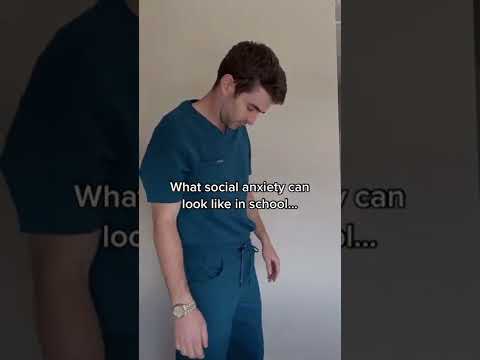
Hey! So, let’s talk about anxiety in students because, wow, it’s a thing, right? I mean, it feels like everyone’s been there at some point. You’re juggling classes, homework, and maybe a part-time job. It can get intense!
Este blog ofrece contenido únicamente con fines informativos, educativos y de reflexión. La información publicada no constituye consejo médico, psicológico ni psiquiátrico, y no sustituye la evaluación, el diagnóstico, el tratamiento ni la orientación individual de un profesional debidamente acreditado. Si crees que puedes estar atravesando un problema psicológico o de salud, consulta cuanto antes con un profesional certificado antes de tomar cualquier decisión importante sobre tu bienestar. No te automediques ni inicies, suspendas o modifiques medicamentos, terapias o tratamientos por tu cuenta. Aunque intentamos que la información sea útil y precisa, no garantizamos que esté completa, actualizada o que sea adecuada. El uso de este contenido es bajo tu propia responsabilidad y su lectura no crea una relación profesional, clínica ni terapéutica con el autor o con este sitio web.
I remember back in school, staring at my assignments like they were Mount Everest. You know that feeling when your heart races just thinking about finals? Yeah. That’s anxiety sneaking in.
Anyway, it’s not just you. Many students are wrestling with that same pressure. So what’s really going on? Let’s break down some of the common causes and see if we can figure out ways to tackle this together. Sound good?
Effective Strategies for Supporting Anxious Students in the Classroom
So, you’re dealing with anxious students in class? Yeah, it can be tough, right? You want to create a space that’s supportive and safe for everyone, but figuring out how can be overwhelming. Don’t worry; I’ve got your back!
First off, let’s talk about what anxiety in students looks like. Some common signs are restlessness, avoidance of participation, or even physical symptoms like sweating or shaking. It’s no fun for them, and honestly, it can interrupt the flow of the class too. Remember, you’re not just their teacher; you’re a guide through their day-to-day learning experiences.
To help out those anxious kiddos in your classroom, consider these strategies:
- Establish a Routine: Kids thrive on predictability. When they know what to expect each day, it helps reduce anxiety. Maybe start with the same morning activities or have set times for different subjects.
- Open Communication: Create an environment where students feel comfortable sharing their feelings! You could implement check-ins at the beginning of each class. A simple “How’s everyone feeling today?” can do wonders.
- Mindfulness Activities: Things like deep breathing exercises or short meditation sessions can really ease anxious minds. Just five minutes of breathing together can reset the room’s energy.
- Encourage Participation Without Pressure: Some kids freeze up when asked to share answers. Try using activities like think-pair-share where they discuss with a partner first before sharing with the class.
- Create Safe Spaces: Having a quiet corner in the classroom where students can go if they’re feeling overwhelmed is super helpful! It’s like a little retreat they can use when things get tough.
- Incorporate Games That Promote Teamwork: Playing cooperative games allows students to work together and build connections without the pressure of competition. Think along the lines of “The Human Knot” where they need to untangle themselves from a mess without letting go of each other’s hands.
Now, you might wonder about addressing specific causes of anxiety too. If you notice certain topics trigger anxiety—like tests or group work—try adjusting how those are presented.
For example, give them practice assessments ahead of time so they’re familiar with what to expect during real tests. That way it feels less daunting!
And hey: while these strategies can significantly help your anxious students thrive in their learning environment, it’s also crucial to remember when professional support is necessary. Encourage parents and guardians to seek out counseling if you think deeper issues might be at play.
Honestly? Just being aware and proactive makes such a difference! Every bit counts when supporting anxious learners as they navigate through school life—and trust me; they’ll appreciate you for it more than you know!
Effective Strategies for Teenagers to Manage Anxiety at School
Anxiety in school can feel like this heavy backpack you just can’t put down, right? It’s super common among teenagers. As you juggle classes, friends, and maybe even a part-time job, it’s no wonder stress pops up. But there are ways to manage it effectively.
Recognize Triggers
First things first, understanding what causes your anxiety is key. Is it the pressure of exams? Fear of public speaking? Or maybe worrying about fitting in with friends? Identifying specific triggers can help you tackle them head-on.
Talk About It
This one might sound simple, but talking about what’s bothering you can work wonders. Share your feelings with someone you trust—a friend, a teacher, or even a family member. You’d be surprised how just expressing your worries can lighten the load.
Practice Mindfulness
Mindfulness is all about being present and aware of your thoughts and feelings without judgment. Try deep breathing exercises or even apps that guide you through mindfulness practices. A couple of minutes focusing on your breath can help ground you when anxiety strikes!
Organize Your Time
Being overwhelmed often comes from feeling unprepared. Make a schedule that includes study time for exams and breaks for relaxation activities—maybe some video games or hanging out with friends. Having a plan makes everything feel more manageable.
Create a Positive Space
Your environment plays a huge role in how you feel. Having a clean, organized space to study can reduce anxiety and improve concentration. Add some personal touches like photos or art that makes you smile!
Use Physical Activity
Exercise is like magic for anxiety! Whether it’s going for a run or playing basketball with friends, physical activity releases endorphins—those feel-good hormones that can totally boost your mood.
Set Realistic Goals
It’s great to aim high but remember to keep it real too! Setting achievable goals helps avoid burnout and frustration. Instead of saying “I need to ace every test,” try “I’ll do my best on each one.” Celebrate little wins along the way!
Seek Professional Help When Needed
Sometimes managing anxiety on your own just isn’t enough—and that’s okay! Don’t hesitate to reach out to school counselors or mental health professionals if you’re feeling stuck. They’ve got tools and strategies specifically designed to help.
In the end, remember that it’s completely normal to feel anxious sometimes; you’re not alone in this struggle! By trying these strategies—talking about it, practicing mindfulness, and organizing your time—you’ll be better equipped to handle anxiety at school and beyond! Just take it one day at a time; you’ve got this!
Effective Strategies for Teachers to Support Students with Anxiety and Depression
Teaching can be a rewarding job, but it can also be really challenging, especially when you’re dealing with students who struggle with anxiety and depression. These feelings can make it tough for them to focus, participate, or even show up to class. The reality is that many students face these issues, and as a teacher, you have the power to create an environment that feels supportive and understanding. So let’s talk about some effective strategies you might consider.
Create a Safe Space: First things first, it’s all about making your classroom feel like a safe haven. When students sense they are in a judgment-free zone, they may feel more comfortable expressing their concerns or taking risks. You could hang up posters that promote positivity or establish ground rules that encourage kindness and respect.
- Regular Check-ins: Simply asking your students how they’re doing can make a big difference. Maybe take five minutes at the start or end of class for some casual check-ins. This shows them that you care and are there for them.
- Flexible Assignments: Consider providing options in assignments when possible. If a student is overwhelmed by a project, letting them choose the format—like presenting instead of writing—can help ease their anxiety.
Incorporate Mindfulness Activities: Mindfulness isn’t just a buzzword; it’s something that can seriously help calm anxious minds. Think about integrating short mindfulness exercises into your lessons. These could include deep breathing exercises or quick meditation sessions.
- Example Game: A simple game like “Mindful Minute” could work wonders! Set a timer for one minute where everyone focuses on their breath or listens to calming sounds. It might feel silly at first but trust me; many will appreciate this break.
Build Stronger Relationships: Students often open up more if they know they have someone who truly cares about them. Take time to learn about their interests and passions; this not only helps in building bond but also makes your lessons relate better to their lives!
- Create Small Group Work: Encourage collaboration through small groups during projects or discussions. It allows students to connect with their peers without feeling overwhelmed by bigger crowds.
Acknowledge Feelings: Validating what your students are feeling is crucial. If someone mentions feeling anxious about an exam, don’t dismiss it! Instead say something like “That’s totally normal,” which can help normalize their experience.
- Coping Strategies Toolkit: Teach your kids some coping strategies they can use when anxiety creeps in; things like squeezing stress balls or doodling during class might really help!
The thing is, while these strategies can be super helpful, it’s essential to remember that they’re not replacements for professional support if needed. If you notice serious issues with any student’s mental health, gently suggest they speak with a counselor or therapist.
All in all, being an understanding teacher who fosters a supportive environment can make all the difference for students facing anxiety and depression. With just little adjustments here and there—you might witness huge changes in how they engage with learning!
Let’s talk about anxiety in students for a minute. You know, it’s kind of a big deal these days, right? I remember back in high school, every time exams rolled around, it felt like the world was crashing down on me. I’d pace my room at night, feeling like I had to memorize every single detail from my textbooks. It was exhausting! You’ve probably been there too.
So, what are some common causes of this anxiety? Well, academic pressure is probably one of the biggest culprits. Seriously; with grades and standardized tests looming over your head like a dark cloud, it’s no wonder so many students feel overwhelmed. And let’s not forget social pressure! Navigating friendships and trying to fit in while keeping up with schoolwork can feel like juggling flaming torches sometimes.
But here’s the thing: there are ways to tackle this anxiety monster. Talking about feelings can be super helpful—whether it’s with friends or a counselor. Sharing what you’re going through really lightens the load! And don’t underestimate the power of a good routine. When you structure your day with breaks and downtime, it helps keep those anxious thoughts at bay.
Oh! And let’s chat about self-care for a sec. You know, things like exercise or even just chilling with a good book or your favorite show can make a world of difference. Taking time for yourself is essential; trust me on that one! That little bit of space gives your brain a chance to breathe and reset.
In the end though—honestly—everyone’s journey with anxiety looks different. So if you’re feeling overwhelmed, know that finding your own path to manage it might take some time and experimentation. Be patient with yourself; after all, you’re figuring it out day by day. Just remember: you’re not alone in this struggle!