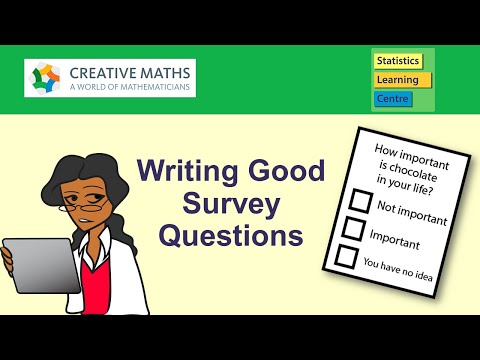
Hey you! So, let’s chat about questionnaires.
Este blog ofrece contenido únicamente con fines informativos, educativos y de reflexión. La información publicada no constituye consejo médico, psicológico ni psiquiátrico, y no sustituye la evaluación, el diagnóstico, el tratamiento ni la orientación individual de un profesional debidamente acreditado. Si crees que puedes estar atravesando un problema psicológico o de salud, consulta cuanto antes con un profesional certificado antes de tomar cualquier decisión importante sobre tu bienestar. No te automediques ni inicies, suspendas o modifiques medicamentos, terapias o tratamientos por tu cuenta. Aunque intentamos que la información sea útil y precisa, no garantizamos que esté completa, actualizada o que sea adecuada. El uso de este contenido es bajo tu propia responsabilidad y su lectura no crea una relación profesional, clínica ni terapéutica con el autor o con este sitio web.
I mean, they sound kinda boring at first, right? But stick with me! They’re actually super useful for students when it comes to gathering info or even understanding stuff better.
Seriously, think about it! How often do you find yourself needing to ask questions but don’t know where to start? That’s where a good questionnaire comes in.
Whether you’re digging into research or just trying to get opinions from your classmates, having a solid format can make all the difference. Let’s explore some effective strategies and formats that can really help you out!
Effective Questionnaire Samples and Formats for Student Research: Downloadable PDF Guide
When it comes to student research, creating an effective questionnaire is super important. It’s like crafting the right set of questions to get the best answers. You want to capture clear, honest responses that help you explore your topic. Here’s a rundown on effective questionnaire samples and formats, along with some insights into making it all work for you.
1. Know Your Goals
Before writing anything down, think about what you want to learn from your questionnaire. Are you aiming to gather opinions on a certain issue? Or maybe assess knowledge around a specific subject? For instance, if you’re exploring how students feel about online learning, your questions should reflect that focus.
2. Types of Questions
You have a few different types of questions you can use:
- Closed-ended: These are questions where respondents choose from a set list of answers, like “Yes” or “No,” or rating something 1-5.
- Open-ended: These let people express their thoughts in their own words. For example: “What do you think about the effectiveness of remote education?”
- Multiple choice: Respondents choose one option from many. This might be useful for asking about favorite subjects!
- Likert scales: These ask participants to rate their agreement with statements on a scale (e.g., strongly agree to strongly disagree).
3. Keep It Short and Sweet
No one wants to fill out a novel! Try to limit your questionnaire to 10-15 questions max. Keeping it concise encourages more responses—remember the old saying: less is more!
4. Logical Order Matters
Structure your questions in a way that flows naturally. You could start with easy questions first and gradually dive into more complex topics as the respondent warms up.
5. Pilot Testing
Before launching your questionnaire for real, give it a test run! Ask friends or classmates to go through it and provide feedback on any confusing parts or annoying phrasing.
It’s kind of like when you’re debugging a video game; you find those pesky glitches before releasing it!
An Example Format.
Here’s what part of an educational questionnaire could look like:
- Name: ____________
- Your Age: ____________
- Email (optional): ____________
- Please rate the following statement: «Online learning has been effective for my studies.» (1 – Strongly disagree; 5 – Strongly agree)
- [ ] 1
- [ ] 2
- [ ] 3
- [ ] 4
- [ ] 5
- This semester, have you felt motivated while studying online?
- [ ] Yes
- [ ] No
- If yes, can you briefly share why? ________________________
- If no, please explain how we can improve things: ________________________
- Select your favorite subject:( ) Math ( ) Science ( ) Literature ( ) History
li>Of course, this is just one approach! You can mix up formats based on what fits best for your research objectives.
The Final Touches!.
When you’re done drafting your questionnaire, take time for revisions! Look over everything again—grammar mistakes or awkward wording can throw off responses.And remember—you’re not just gathering data; you’re also getting insights into people’s lives and opinions! Treat this responsibility seriously but keep it fun!
Overall, using these strategies will help make your questionnaires effective tools in gathering meaningful information that’ll support your research efforts nicely!
Effective Strategies and Formats for Research Questionnaires: A Comprehensive Sample Guide for Students
Creating effective research questionnaires is like crafting a good recipe. You want the right ingredients, mixed in just the right way, so you get tasty results. Let’s break this down into strategies and formats that are super useful for students.
Start with Clear Objectives
Before diving into your questionnaire, think about what you want to find out. What are your main questions? This clarity will shape your entire questionnaire. It’s a bit like playing a game; knowing your goal helps you choose the right moves.
Choose the Right Format
There are several formats you can use for questionnaires. Here are some popular ones:
- Multiple Choice Questions: These are straightforward and easy to analyze. For example: “What’s your favorite hobby?” with options like “Reading,” “Sports,” or “Gaming.”
- Likert Scale: Great for measuring attitudes or feelings. You might ask, “How much do you enjoy studying?” and provide a scale from 1 (not at all) to 5 (very much).
- Open-Ended Questions: These allow respondents to express their thoughts more freely. For instance: “What improvements would you suggest for our curriculum?” It gives richer data but can be harder to analyze.
- Dichotomous Questions: Simple yes/no questions work well when a clear answer is needed. Think of something like: “Do you prefer online classes over in-person ones?”
Each format serves a different purpose, and mixing them can yield balanced results.
Keep It Short and Sweet
Respect people’s time! Aim for around 10-15 questions at most; otherwise, they might lose interest halfway through, like watching a boring movie that drags on forever.
Pilot Testing is Key
Before sending out your questionnaire, test it with a small group of friends or classmates first. This pilot test can help identify confusing questions or technical glitches—kind of like doing a practice run before your big performance.
Make It Visually Appealing
Like any good game design, aesthetics matter! Use clear fonts, break up text with headers, and ensure there’s enough space between questions so it isn’t overwhelming to read.
Be Honest About Privacy
Always reassure participants about confidentiality. People need to feel safe sharing their thoughts! A quick note at the beginning saying how their data will be used can really help here.
Simplify Your Language
Avoid jargon! Use straightforward language so that everyone can understand what you’re asking without scratching their heads—imagine explaining things to someone who knows nothing about your topic.
Follow Up!
If possible, send reminders or follow-ups to get those responses trickling in! Sometimes people forget about these things just like they forget about that one level in their favorite video game they haven’t finished yet.
All in all, designing an effective questionnaire takes time but it’s worth it! Just remember these strategies as you prepare yours. Creating the perfect questionnaire isn’t just about gathering data; it’s also about connecting with people and understanding their perspectives better—just like building relationships within any community you engage with!
And hey, if you’re ever feeling unsure or stuck during this process? Don’t hesitate to reach out for help from teachers or peers—you know? No shame in getting some extra guidance along the way!
Free Student Questionnaire Samples: Effective Strategies and Formats for Success
When it comes to gathering information from students, questionnaires can be super effective. They’re like a treasure chest of insights, helping you understand what students think and feel about various topics. Plus, they can be pretty easy to put together if you keep a few strategies in mind.
First off, let’s chat about **what you want to achieve**. Are you looking for feedback on a course? Or maybe opinions on school policies? Knowing your goals helps shape your questions.
- Keep it Short: Students are busy; a long questionnaire can feel overwhelming. Aim for clarity and precision.
- Use Simple Language: Avoid jargon or complex terms. The easier it is to understand, the better the response.
- Mix Question Types: Combine multiple-choice, open-ended, and rating scales to keep things interesting.
Imagine you’re trying to figure out why students love—or hate—a certain class. You might ask:
– On a scale from 1-10, how would you rate the class?
– What is one thing you wish was different?These kinds of questions encourage open dialogue and give students a chance to share their thoughts without feeling constrained.
Another strategy is formatting. A well-organized questionnaire can make all the difference!
- Logical Flow: Start with general questions and gradually get into specifics.
- Sections: Divide your questionnaire into clear sections based on themes or topics.
Picture playing a game where each level builds on the last—that’s how your questionnaire should work! You want it to guide students smoothly from one concept to another.
And let’s not forget about putting that personal touch in there! Adding an introductory message explaining why their opinions matter makes them feel valued. Something like: “Your feedback helps make our school better.” That’s warm and inviting!
Your respondents’ comfort matters. Assure them that their responses are confidential if that’s applicable; this encourages honesty. Transparency can change everything!
Don’t forget about testing your questionnaire before rolling it out—kind of like playtesting a new game level before launch! Gather feedback on the ease of completion and clarity of questions.
Incorporating these elements makes for an engaging student questionnaire that captures genuine insights without feeling like a chore.
So there you have it! With these strategies and formats in mind, you’re well-equipped to create effective questionnaires that really resonate with students. Remember, while this advice is solid for making questionnaires great, if you’re encountering deeper issues or needing specific guidance regarding mental health or complex situations in schools, reaching out to professionals is always best! The stakes are high when it comes to education; let’s get those voices heard effectively!
Creating a questionnaire for students can honestly be a bit of a head-scratcher. You know, it’s like trying to find the right way to ask someone how they feel about broccoli—there’s a fine line between wanting honest feedback and making them roll their eyes at another boring survey. Been there?
So, let’s chat about what makes a good questionnaire work. First off, clarity is key. Use language that’s simple and straightforward. If you throw in jargon or complex words, you might as well be speaking another language! Keep your questions focused and specific. Asking «How do you feel about your classes?» can lead to all sorts of vague answers. Instead, something like «What do you like most about your math class this semester?» gives them a clear direction.
And then there’s the format—oh boy! Multiple choice questions can be super handy because they’re quick to answer and easy to analyze later on. But don’t forget about open-ended questions! They allow students to express their thoughts in their own words, which could uncover some pretty valuable insights for you. It’s like when my friend wrote an essay about how much she actually loved math when she thought the teacher was cool—an unexpected revelation!
Another thing? Make it visually appealing! A cluttered questionnaire can stress someone out faster than a surprise pop quiz. So stick with clean layouts and easy navigation; it helps keep those brain gears turning smoothly.
Lastly—and this is super important—let’s not forget the power of anonymity if you want honest feedback. Seriously, nothing makes people clam up faster than fear of judgment. Want true thoughts? Make sure they feel safe sharing them.
In the end, whether it’s for gathering opinions on lunch options or evaluating new teaching methods, crafting an effective questionnaire isn’t just about asking questions; it’s about starting conversations that matter. So go ahead, get creative with your formats and don’t shy away from mixing things up! After all, students have voices worth hearing; sometimes all we need is the right prompt to get them talking.