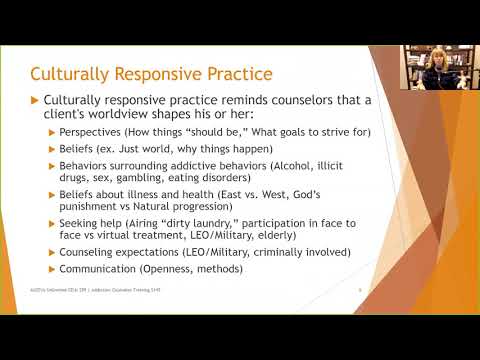
So, let’s chat about something super important—multicultural counseling. You know, it’s all about understanding people from different backgrounds and experiences. Seriously, it’s wild how much our upbringing shapes us!
Este blog ofrece contenido únicamente con fines informativos, educativos y de reflexión. La información publicada no constituye consejo médico, psicológico ni psiquiátrico, y no sustituye la evaluación, el diagnóstico, el tratamiento ni la orientación individual de un profesional debidamente acreditado. Si crees que puedes estar atravesando un problema psicológico o de salud, consulta cuanto antes con un profesional certificado antes de tomar cualquier decisión importante sobre tu bienestar. No te automediques ni inicies, suspendas o modifiques medicamentos, terapias o tratamientos por tu cuenta. Aunque intentamos que la información sea útil y precisa, no garantizamos que esté completa, actualizada o que sea adecuada. El uso de este contenido es bajo tu propia responsabilidad y su lectura no crea una relación profesional, clínica ni terapéutica con el autor o con este sitio web.
Imagine walking into a therapy session and feeling like your counselor just «gets» you. Like they really see the whole picture—not just the surface stuff. That connection can completely change the game.
But here’s the kicker: not everyone has the same story to tell. Different cultures have unique challenges and perspectives that can totally alter how we think, feel, and even heal. You with me?
Let’s dive into some cool approaches that help counselors address those diverse needs. Trust me; it’s gonna open your eyes!
Exploring the Four Key Approaches to Counselling: A Comprehensive Guide
- Person-Centered Counseling: This approach is all about understanding and accepting the client. Imagine you’re playing a co-op video game with a friend; you both work together, and communication is key. In person-centered counseling, the counselor provides a safe space where clients can feel free to express their thoughts and emotions without judgment. They reflect back what the client says, helping them find their own solutions. This method works well in multicultural settings as it respects individual experiences.
- Cognitive-Behavioral Therapy (CBT): CBT focuses on the connection between thoughts, feelings, and behaviors. Think of it like a puzzle: if you change one piece—let’s say your negative thought patterns—you can change how you feel and act too. In multicultural counseling, CBT can be adapted to consider cultural biases that might influence how clients think about themselves and their problems. It’s really flexible in addressing different cultural contexts.
- Psychodynamic Counseling: Here’s where things get interesting! This approach digs deep into the unconscious mind, trying to uncover hidden feelings or issues from past experiences. It’s like peeling an onion; layer by layer, you’re getting closer to the core of what’s bothering you. Multicultural considerations require counselors to recognize how different backgrounds might shape someone’s psyche—what feels normal or problematic can vary greatly from one culture to another.
- Systemic Counseling: Finally, we’ve got systemic counseling which looks at individuals within their relationships and larger contexts. Think of a multiplayer game where your character’s success relies not just on your skills but also on how well you work with others in the group. This approach helps clients identify patterns in their interactions with family or community members that affect their mental health. For diverse populations, counselors need to respect cultural norms within family systems that may differ significantly from mainstream ideas.
When we talk about multicultural counseling, it’s crucial to recognize that each person brings their unique background into therapy sessions. Just like when playing an online game with players from around the globe—you might need to adjust your strategies based on different play styles or communication preferences.
The counselor’s role is not just giving advice but creating an environment where clients from various cultures feel understood and respected—their unique experiences should inform every part of the process. While these approaches provide a framework for understanding client needs better, remember that nothing here should replace professional help when needed.
So whether you’re exploring your feelings through person-centered methods or unraveling your thought patterns with CBT, it’s all about finding what fits best for you—after all, everyone’s journey in this game of life is different!
Effective Strategies for Collaborating with Clients from Diverse Cultural Backgrounds
So, you’re working with clients from different cultural backgrounds, huh? That’s pretty cool! But it can also get a bit tricky sometimes. Understanding their perspectives and values is essential for creating a solid rapport. Here are some effective strategies to help you navigate that multicultural waters.
- Active Listening: Really hear what your clients are saying. It’s not just about words; pay attention to their tone, body language, and emotions. For example, if a client describes a family tradition with joy or sadness, ask open-ended questions to dig deeper. This shows you care and are willing to understand their world.
- Cultural Awareness: Know the cultural backgrounds of your clients—not just in terms of ethnicity but also religion, traditions, and social issues they might relate to. Let’s say a client comes from a culture that values family over individualism; recognizing this can change how you frame your discussions around goals and expectations.
- Flexibility and Adaptability: You probably won’t have the same approach with everyone. Be ready to adjust your methods based on each client’s unique needs and preferences. If one client responds well to direct feedback while another prefers a more gentle approach, go with it! It keeps things respectful.
- Building Trust: Establishing trust can take time, especially if there’s a history of discrimination or misunderstanding in your client’s experiences. You might share relevant experiences or come up with activities that foster connection—maybe even something as simple as playing an ice-breaker game like “Two Truths and a Lie» at the beginning of the first session!
- Language Considerations: Language barriers can complicate things big time. If needed, use an interpreter or encourage clients to express themselves in their native tongues when they feel more comfortable doing so. This helps avoid misunderstandings—plus it shows you respect their language!
- Educate Yourself: Continuously learn about different cultures through books, workshops, or community events. The more informed you are about cultural nuances—the better prepared you’ll be when interacting with clients from those backgrounds.
In any situation, remember that your goal is to empower your clients. They should feel safe sharing their experiences without judgment. You’re not just there to provide solutions but also to support them in finding what works best for them according to their cultural context.
This kind of work isn’t always easy—but man is it rewarding! Just think about how much richer our lives become when we embrace diversity! And although every interaction is unique—these strategies give you a sturdy foundation for building those important relationships across cultures.
If you’re feeling overwhelmed at any point—or need tailored advice—don’t hesitate reaching out for professional help yourself! It’s all part of being human!
Understanding the Four Key Principles of Multiculturalism and Their Psychological Impact
- Inclusion: This principle is all about creating spaces where everyone feels welcome. It’s like playing a multiplayer game, where all characters have unique traits and skills. When you include diverse backgrounds in counseling, it opens up the conversation to experiences and feelings that might not be heard otherwise. Imagine you’re trying to complete a quest, but you can only choose characters with the same moves; it limits your options, right?
- Equity: This isn’t just a fancy word for fairness; it means recognizing that not everyone starts from the same point. Think of it like leveling up in a game where some players get extra boosts while others don’t. In counseling, equity ensures that each client gets the resources they need based on their circumstances. Some might need more support due to cultural barriers or different life experiences; this helps them feel understood and valued.
- Diversity: This one’s pretty obvious! It’s about appreciating differences across cultures. Just like in a team sport, each player brings their own strategy and style. In a counseling setting, valuing diversity means acknowledging different beliefs, practices, and worldviews without judgment. If someone comes from a culture that emphasizes community over individualism, understanding this can help tailor your approach and foster trust.
- Mutual Respect: Imagine playing chess with someone who keeps changing the rules without telling you—it would be frustrating! Mutual respect in multicultural counseling is about honoring each person’s unique background while also being open to learning from them. It creates a safe environment where clients feel empowered to share their stories without fear of being dismissed or misunderstood.
The psychological impact of these principles can be profound. When clients feel included, they are more likely to open up about their thoughts and feelings—kind of like when you finally find a trusted teammate who gets your strategies! On the flip side, if they sense inequity or disrespect, it could lead to mistrust or withdrawal.
Also, let’s not forget—these elements are interlinked! You can’t have inclusion without respect, or equity without appreciation for diversity. They work together to create a holistic approach that resonates with the needs of diverse clients.
Finally, always remember that understanding multiculturalism isn’t just an academic exercise; it has real-life implications for how we connect with others in our communities and professions. Still—it doesn’t replace seeking professional help when needed; that’s always key for personal growth!
You know, when it comes to multicultural counseling, it’s really about recognizing that every person who walks into your office carries a little universe of their own. With different backgrounds, cultures, and experiences, the way we connect with someone needs to adapt accordingly. Imagine sitting down with someone from a completely different culture—can you just dive right in without doing a little homework? Probably not!
I remember this one time when I was chatting with a friend who had just moved here from another country. She shared how different her upbringing was compared to what she saw around her now. It struck me how much culture shapes our thoughts, beliefs, and even our coping mechanisms. It’s like we’re all reading from different books yet trying to find common understanding.
So, in counseling, you really have to flex your approach based on who’s sitting across from you. Some folks might appreciate directness while others might find it too harsh or even disrespectful. There are various methods counselors can use, like integrating cultural competence into conversations. This means being aware of cultural factors but also being open to learning as you go along—not assuming that you know everything just because you read about it.
If you think about techniques like narrative therapy or solution-focused therapy—those could work wonders for people grappling with diverse issues tied to their identity or background. Basically, it’s about empowering clients by tapping into their stories and strengths rather than focusing solely on what’s “wrong” with them.
Let’s not forget the importance of language too—I mean how powerful is it when someone can express themselves in their native tongue? That simple change can create a bridge right away! And sometimes it might be less about the words and more about embracing non-verbal cues that are intertwined with cultural expressions.
But hey, even experienced counselors make mistakes along the way; maybe they misunderstand a cultural reference or use an inappropriate example without realizing it. That’s okay! The key is humility and willingness to listen and learn from those moments.
In the end, multicultural counseling isn’t just an add-on; it’s central to building trust and rapport with clients from all walks of life. So yeah, if we want real connections and real change to happen in sessions, we’ve got to embrace this beautiful complexity that diversity brings! What do you think?