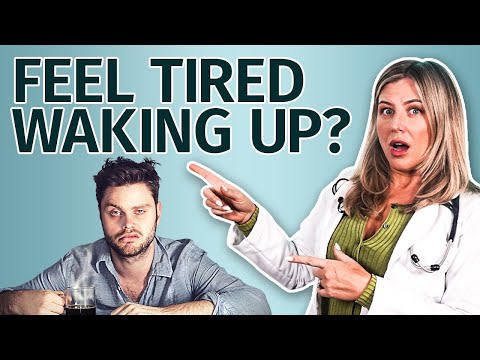
Hey you! So, you know those mornings when you wake up and feel like you’ve just run a marathon in your sleep? Seriously, what’s the deal with that? You crashed early, thought you had a solid night’s rest, but boom — exhaustion hits like a ton of bricks.
Este blog ofrece contenido únicamente con fines informativos, educativos y de reflexión. La información publicada no constituye consejo médico, psicológico ni psiquiátrico, y no sustituye la evaluación, el diagnóstico, el tratamiento ni la orientación individual de un profesional debidamente acreditado. Si crees que puedes estar atravesando un problema psicológico o de salud, consulta cuanto antes con un profesional certificado antes de tomar cualquier decisión importante sobre tu bienestar. No te automediques ni inicies, suspendas o modifiques medicamentos, terapias o tratamientos por tu cuenta. Aunque intentamos que la información sea útil y precisa, no garantizamos que esté completa, actualizada o que sea adecuada. El uso de este contenido es bajo tu propia responsabilidad y su lectura no crea una relación profesional, clínica ni terapéutica con el autor o con este sitio web.
It’s frustrating, right? I mean, it seems like everyone else is bouncing around full of energy while you’re just trying to figure out if you can make it to the coffee pot.
Well, let’s chat about it. There are some pretty normal reasons behind that tired feeling after sleeping. Plus, I’ve got a few ideas that might help kick that grogginess to the curb. Sound good?
Effective Strategies to Overcome Morning Tiredness After Sleep
Feeling groggy in the morning can be such a drag, right? You know that feeling when your alarm goes off, and all you want to do is hit snooze for the hundredth time? Yeah, we’ve all been there. So, what’s going on when you feel tired after sleeping? Let’s break it down.
First off, poor sleep quality is often a major culprit. You might think you’re sleeping enough hours, but if your sleep isn’t restful—like when you’re tossing and turning or frequently waking up—that can totally mess with your energy levels. Imagine trying to play a video game but it keeps glitching; frustrating, right?
Next up is your sleep environment. If your room is too hot or cold, noisy, or bright, those factors can really disrupt your beauty sleep. Think of it like trying to focus on a puzzle with all sorts of distractions around you. Not easy!
Another thing to consider is sleep disorders. Conditions like sleep apnea can lead to fragmented sleep where you don’t even realize you’re waking up multiple times during the night. It’s sneaky! So if you suspect this might be an issue for you—seriously—talk to someone about it.
Now let’s get into some strategies that might help shake off that tiredness:
- Create a bedtime routine: Start winding down before bed. This could mean reading a book or meditating. Consistency helps signal your body that it’s time to hit the hay.
- Avoid screens: Blue light from phones and TVs messes with melatonin production—the hormone that helps regulate sleep. So maybe swap out scrolling TikTok for some old-school paperbacks.
- Limit caffeine: You might love that morning coffee (who doesn’t?), but drinking too much caffeine in the afternoon can sabotage your sleep later on.
- Stay hydrated: Dehydration can leave you feeling groggy when you wake up. A glass of water right after getting out of bed could kickstart your day.
- Add movement: Getting some light exercise in the morning—even just stretching or taking a short walk—can really wake you up and energize those sleepy muscles.
But here’s the thing: if none of this seems to work over time, don’t just brush it off! Your health matters, and sometimes reaching out for professional help makes all the difference.
So yeah, morning tiredness happens to everyone at some point. Remember that it’s about finding what works for YOU and making small changes along the way! In the end, prioritizing good sleep can seriously improve how you feel as soon as that alarm clock screams at you!
Understanding Sleep Inertia: Effects on Cognitive Performance and Daily Functioning
Sleep inertia, huh? It’s that groggy feeling you get right after waking up. You know, when your brain feels like it’s still in dreamland, and you can’t quite figure out where you are? Yeah, that. It can totally mess with your day. Let’s unpack this a bit.
What is Sleep Inertia?
Sleep inertia is that period of mental fog and sluggishness when you first wake up. It can last anywhere from a few minutes to several hours. So basically, it’s like your brain hitting the snooze button even though you’re already awake.
Here’s the kicker: it doesn’t just affect how sleepy you feel. It impacts your cognitive performance too! You might struggle with decision-making or problem-solving when you’re experiencing significant sleep inertia. Picture yourself trying to play a game like chess right after waking up—you’d probably make some pretty questionable moves, right?
What Causes Sleep Inertia?
There are several reasons for this post-sleep fuzziness:
- Sleep Stage: Waking from deeper stages of sleep (like REM) often leads to worse sleep inertia. If you wake up during a deep sleep cycle, it’s like being yanked from a really intense video game level without saving!
- Sleepless Nights: If you’ve been skimping on sleep lately, you’re more likely to feel the effects of sleep inertia.
- Snooze Button Addiction: Ever hit snooze multiple times? That disrupts your sleep cycle and can lead to more grogginess.
- Circadian Rhythm: Your body has a natural clock that controls your sleep-wake cycles. Disruptions to this rhythm (like late-night Netflix binges) can also be culprits.
The Effects on Daily Functioning
So why does all of this matter? Well, when you’re dealing with sleep inertia, everyday tasks become much harder:
- Cognitive Performance: You might find it challenging to concentrate or recall information.
- Mood Swings: Feeling cranky? Yup! Sleep inertia can amplify irritability and make social interactions feel overwhelming.
- Poor Decision-Making: Important choices might seem daunting when you’re stuck in that zzz state.
- Affects Physical Tasks: Things like driving or exercising could become risky if you’re not fully awake yet.
Think about it: imagine going for a morning jog after hitting snooze five times—your coordination would likely suffer!
Solutions to Combat Sleep Inertia
Now for the good stuff—how do we tackle this groggy beast?
- Create a Consistent Sleep Schedule: Going to bed and waking up at the same time every day helps regulate your internal clock.
- Avoid Hitting Snooze: Try placing your alarm across the room so you have no choice but to get out of bed!
- Naps Are Your Friend: A short nap (10-20 minutes) during the day can recharge your brain while still keeping sleep inertia at bay later on.
- Banish Blue Light Before Bedtime:I mean, scrolling through Instagram before sleeping isn’t doing our brains any favors!
Just remember: if you’re constantly battling severe sleep problems or feeling overly tired despite getting enough Zs, it’s best to consult with a healthcare professional.
So yeah, there you have it! Understanding sleep inertia isn’t just about feeling tired—it’s about how it sneaks into your daily performance and mood too. Keep these tips in mind next time you roll out of bed feeling like a zombie!
Understanding Why You Always Wake Up Tired: Psychological Factors Behind Persistent Fatigue
So, you wake up, and instead of feeling refreshed, it’s like you’ve been hit by a truck, right? Seriously, you’re not alone. A lot of people feel tired even after a full night’s sleep. What gives? Well, there are a bunch of psychological factors that can play into this. Let’s unpack some of them!
1. Stress and Anxiety
You know how when you’re stressed out or anxious, your mind races? It’s like trying to play a video game on fast forward. Your brain doesn’t get the chill time it needs during sleep when it’s busy processing worries. If your mind won’t quiet down at night, you might wake up feeling like you barely slept.
2. Sleep Quality vs. Quantity
So here’s the deal: even if you’re clocking in eight hours under the sheets, it doesn’t guarantee quality sleep! You might be tossing and turning or spending too much time in lighter sleep stages instead of the deep restorative stages. Think of it like trying to level up in a game but only getting halfway through because you keep getting interrupted.
- Sleep Disorders: Conditions like insomnia or sleep apnea can really mess with how well you rest.
- Napping: Long naps during the day can interfere with nighttime sleep cycles.
- Lifestyle Factors: Things like alcohol or caffeine before bed can impact your sleep quality.
3. Depression
If you’ve ever felt that heavy blanket over your happiness—yeah, that could wear you down more than just your emotional state. Depression often zaps energy levels and can make waking up in the morning feel impossible.
4. Lack of Motivation and Purpose
You ever notice when you’re excited about something—a project, a trip—it’s easier to bounce outta bed? Your brain thrives on purpose! When you’re disengaged or lacking goals, waking up feels more like dragging yourself than jumping into an adventure.
- Create Goals: Setting small daily goals could make mornings feel less daunting!
- Pursue Interests: Engage in hobbies that ignite passion; they might just fire you up for Bedtime!
The Bottom Line
If waking up tired becomes your norm, maybe consider reaching out to someone who can help dive deeper into these feelings—like a therapist or health professional. They can help pinpoint what’s going on inside that beautiful brain of yours because seriously, there’s no one-size-fits-all fix for feeling run-down.
The important thing is to take note of these patterns and not ignore ‘em! Each step towards understanding why you’re feeling this way could help lift some weight off your shoulders (and outta those sleepy eyes). Remember: good mental health is just as vital as catching those Zzzs! Just keep exploring until you find what works for you; sometimes it takes time—think of leveling up in your favorite game!
You know that feeling when you wake up after what you thought was a solid night’s sleep, only to feel like you’ve been hit by a truck? Seriously, it’s like your body just didn’t get the memo that it was supposed to recharge overnight! There are so many reasons this could happen, and sometimes it feels like a puzzle we all are trying to solve.
First off, let’s talk about sleep quality. You can sleep for eight hours but if you’re tossing and turning all night or waking up frequently, that’s not restful. I remember this one time when I was really stressed about work. I thought I’d catch up on my rest over the weekend. But instead of sleeping deeply, I kept waking up and staring at the ceiling. Talk about frustrating! When Monday rolled around, I felt worse than before.
Then there’s sleep apnea. Sounds serious, right? It’s when your breathing pauses during sleep, which can make you feel groggy no matter how long you’re in dreamland. If snoring is part of your wake-up routine—like it is for some folks—this could be a red flag!
Don’t forget about lifestyle factors too. Caffeine? Yeah, it’s awesome for those desperate mornings but can mess with your nighttime rest if consumed too late in the day. And what about screens? Your phone might be keeping you awake without you even knowing it! That blue light does a number on melatonin levels—the hormone that signals when it’s time to snooze.
And let’s not skip over nutrition; eating heavy meals or drinking alcohol right before bed can disrupt sleep patterns too. Ever had that moment where you woke up feeling like a bloated balloon? Not fun.
So what do we do about this tiredness? Well, establishing a bedtime routine could be key! It signals to your body that it’s time to wind down; maybe try reading something light or meditating for a few minutes instead of scrolling through social media.
Getting some sunlight during the day works wonders too—it helps regulate your body’s internal clock so you’re more alert during daylight hours and ready to hit the hay when it gets dark outside.
And listen up: if you’re consistently feeling tired despite making changes—don’t hesitate to reach out to someone who knows their stuff in health care!
At the end of the day, remember this: everyone sleeps differently and there’s no one-size-fits-all solution here. Figuring out what works for you may take time but keep tweaking things until you find that sweet spot between restful sleep and waking up energized!