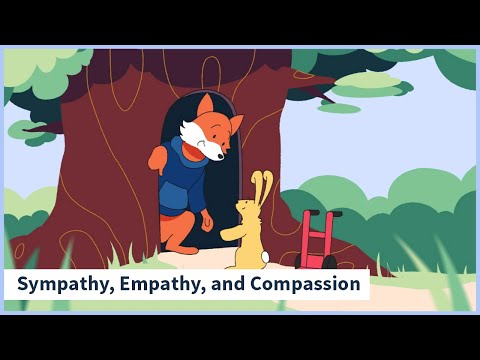
You know, sometimes we throw around words like empathy, sympathy, and compassion without really thinking about what they mean. They kinda sound similar, right? But they’re not the same at all.
Este blog ofrece contenido únicamente con fines informativos, educativos y de reflexión. La información publicada no constituye consejo médico, psicológico ni psiquiátrico, y no sustituye la evaluación, el diagnóstico, el tratamiento ni la orientación individual de un profesional debidamente acreditado. Si crees que puedes estar atravesando un problema psicológico o de salud, consulta cuanto antes con un profesional certificado antes de tomar cualquier decisión importante sobre tu bienestar. No te automediques ni inicies, suspendas o modifiques medicamentos, terapias o tratamientos por tu cuenta. Aunque intentamos que la información sea útil y precisa, no garantizamos que esté completa, actualizada o que sea adecuada. El uso de este contenido es bajo tu propia responsabilidad y su lectura no crea una relación profesional, clínica ni terapéutica con el autor o con este sitio web.
You might have felt sympathy for a friend going through a tough time or shown compassion to a stranger in need. And then there’s empathy, which takes it up a notch.
It’s wild how these little differences shape how we connect with others. Like that time my buddy lost his job. I felt so bad for him; I was all sympathetic. But when I really listened and imagined his struggles—that was empathy in action!
So let’s unpack this together, shall we? It’s gonna be a fun ride through the heart!
Understanding the 7 Essential Keys of Empathy for Better Communication
Empathy, sympathy, and compassion often get mixed up. But they’re not the same thing! Understanding how they differ can really improve your communication skills. Here’s a breakdown of the seven essential keys of empathy that can help you connect more deeply with others.
- Listening Actively: This means being there fully when someone is talking. You know how it feels when you’re sharing something important, and the other person is distracted? It’s not great! Focus on what they’re saying, and respond genuinely. For instance, if a friend shares their struggles with work stress, nodding and saying “I hear you” can make them feel heard.
- Putting Yourself in Their Shoes: Imagine what they might be feeling in that moment. If someone is upset because they lost a pet, think back to a time you experienced loss. Remember that heavy feeling? This helps you relate better to their emotions.
- Avoiding Judgment: It’s so easy to jump to conclusions or offer unsolicited advice! But instead, just listen and validate their feelings. If a friend feels anxious about something trivial to you, remember that it matters deeply to them. Telling them “You shouldn’t worry about that” might make them feel worse.
- Expressing Understanding: Use verbal affirmations like “That sounds really tough” or “I can’t imagine how hard that must be.” It shows you care about their feelings without trying to fix the situation right away.
- Sharing Your Feelings (When Appropriate): Sometimes sharing your own experiences can deepen connection but be careful not to overshadow theirs! For example, if a friend talks about losing their job, sharing your own experience of job loss might relate but keep the focus on them first.
- Respecting Personal Boundaries: Not everyone wants the same level of emotional intimacy. If someone isn’t ready to talk or seems withdrawn, give them space but let them know you’re there for them when they’re ready.
- Cultivating Compassion Over Sympathy: Compassion involves taking action based on empathy—like helping out a friend in need rather than just feeling sorry for them. Instead of just saying “I’m sorry,” why not offer assistance? Like making dinner for them during a tough time!
These keys don’t just enhance our relationships; they also help avoid misunderstandings and conflicts. Imagine playing a game where understanding each player’s moves creates better teamwork; that’s what effective communication does in life!
So remember—empathy isn’t always about fixing someone’s problems or giving advice; it’s about connecting on an emotional level first. You can always take these ideas into conversations without replacing professional help for serious issues.
In the end, empathy is all about building bridges between hearts and minds!
Understanding the 3 A’s of Empathy: A Guide to Building Stronger Connections
Empathy is like a superpower for building connections with others. Seriously, it can make a world of difference in how we relate to each other. The three A’s of empathy are Aware, Attuned, and Authentic. Let’s break these down and see how they help us understand people better.
Aware: This is about noticing what’s going on around you. It’s like when you play a video game and you pay attention to your surroundings. You notice the character’s health, the enemies lurking nearby, right? In real life, being aware means picking up on people’s emotions or moods. If you see someone looking down at work or at school, that little nudge in your gut lets you know something might be off.
Attuned: Once you’re aware of someone’s feelings, the next step is tuning into them. Imagine you’re in a band; every musician has to listen for those subtle cues from others to keep the melody flowing smoothly. It’s about connecting with someone else’s emotional frequency. If your friend tells you they’re feeling anxious before an important presentation, being attuned means not just hearing their words but also recognizing their body language and tone of voice.
Authentic: Finally, being authentic is all about being real with your reactions. You don’t want to just put on a show or say what you think people want to hear; honesty builds trust! Think of it this way: if your buddy just lost their job, saying “That sucks” genuinely shows that you feel for them more than saying something generic like “Oh well.” Authenticity shows that you’re not just there for show but really care.
To put it all together:
- Aware: Noticing others’ feelings and the context.
- Attuned: Connecting deeply by listening and understanding non-verbal cues.
- Authentic: Responding sincerely and openly.
When we mix these three A’s, we can foster deeper emotional connections with others while reducing misunderstandings. Say your friend had a bad day; instead of jumping straight into solving their problem, being aware and attuned allows you to create space for them to express themselves fully.
I remember this one time when my friend was going through a rough patch after breaking up with someone they thought was «the one.» Instead of trying to cheer them up immediately with distracting conversations or advice, I just sat there with them in silence for a bit. That simple act of awareness made them feel seen and heard—almost instantly changing the vibe in the room.
So remember: empathy isn’t just some fluffy concept; it’s about genuinely connecting with others through awareness, attunement, and authenticity. It’s easy to confuse empathy with sympathy or compassion; those are basically different animals in the zoo.
Sympathy often suggests feeling pity or sorrow for someone’s situation without really understanding it from their perspective—you kind of stay on the surface. Compassion goes beyond that by wanting to alleviate their suffering but doesn’t necessarily involve deep understanding either.
Building strong connections requires practice! So don’t be too hard on yourself if it feels tricky at first; everyone starts somewhere! Just keep those three A’s in mind as you’re navigating your relationships—it’s totally worth it! And hey, if you’re struggling with any emotions yourself or feel overwhelmed by helping others… don’t hesitate to reach out for professional guidance.
3 Key Differences Between Sympathy and Empathy: Understanding Emotional Connections
When we talk about feelings, it’s super easy to mix up words like sympathy and empathy. They’re close but oh so different! Understanding these differences can really help you connect with others on a deeper level. Here’s a breakdown of what sets them apart.
1. Sympathy: Feeling Sorry for Someone
Sympathy is about recognizing someone else’s feelings and showing concern for their situation. It’s that moment when your friend loses their job, and you say, “I’m really sorry to hear that.” You feel for them but don’t quite share in the pain they’re going through. It’s like watching a sad movie and feeling sorry for the characters, but you’re still safe on your couch, untouched by the drama.
2. Empathy: Feeling With Someone
Now, empathy takes it a step further! It’s not just about feeling sorry; it’s about stepping into another person’s shoes—like really walking around in them. When someone is going through a tough time and you say, “I can only imagine how hard this must be for you,” you’re trying to understand their emotions as if they were your own. Imagine playing a video game where you’re not just observing but actually living the character’s story—you feel every win and loss right alongside them!
3. Compassion: The Action Component
This one can be tricky because compassion often gets bundled with sympathy or empathy but it’s distinctly different! Compassion goes beyond just feeling; it involves not only understanding someone’s pain but also wanting to help alleviate it. So if a friend is down and you offer to help them update their resume or take them out for coffee to cheer them up, that’s compassion in action!
So basically, sympathy lets you feel bad from afar; empathy lets you feel bad alongside someone else; and compassion? That kicks in when you’re ready to do something about it!
This understanding of emotional connections isn’t just fluff—it’s vital for building strong relationships. But hey, if you’re dealing with complex feelings or situations, don’t hesitate to reach out to a professional who can guide you through those emotions more deeply.
You know, sometimes when we hear about empathy, sympathy, and compassion, we might think they’re just different ways of saying the same thing. But they really do have their own unique flavors! And understanding these differences can totally change how we relate to others, especially when things get tough.
So, let’s break it down a bit. Imagine your friend is going through a breakup. If you feel sorry for them and say something like, “Oh man, that really sucks,” you’re expressing sympathy. You acknowledge their pain but are kind of standing on the outside looking in. It’s like watching a movie from the back row—you see what’s happening, but you’re not fully in it.
But then there’s empathy. When you feel what your friend is feeling—like you momentarily take on their heartache and can almost remember what it felt like when you went through something similar—that’s empathy at work! It’s deeper than sympathy; it’s like sitting right beside your friend in that emotional movie theater and holding their hand through all the drama!
Now let’s talk about compassion because this one really brings out the best in humanity. Compassion is when not only do you understand someone else’s pain—maybe even feel it—but you also want to help alleviate it. So with your heartache-stricken friend, compassion would lead you to bring them ice cream or take them out for a distraction-filled night. You’re not just feeling with them; you want to do something about it.
I remember a time when my dog got sick—it broke my heart into pieces! My neighbor came over while I was crying on my porch. She didn’t just tell me she felt bad (which was sympathetic); she sat down next to me—totally empathetic—and shared her own story about losing her cat last year. And then she offered to take me for a walk to clear my head—it was an act of compassion that really touched me.
So yeah, empathy helps us connect deeply with others’ feelings, sympathy gives us a way to acknowledge when someone else is struggling without quite feeling their pain ourselves, and compassion drives us to take action and lend support when someone needs it most.
In the end, these three has got each other’s backs! They create a beautiful chain of understanding and kindness that makes this world just a little brighter one connection at a time. So next time you’re faced with someone else’s struggle, think about which part of these three can help bridge that gap between loneliness and companionship!

