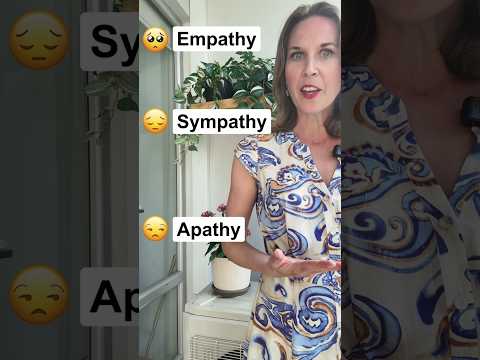
You know how sometimes you’re talking to someone, and it feels like they just get you? Like they’re really listening, not just waiting for their turn to speak? That’s empathy.
Este blog ofrece contenido únicamente con fines informativos, educativos y de reflexión. La información publicada no constituye consejo médico, psicológico ni psiquiátrico, y no sustituye la evaluación, el diagnóstico, el tratamiento ni la orientación individual de un profesional debidamente acreditado. Si crees que puedes estar atravesando un problema psicológico o de salud, consulta cuanto antes con un profesional certificado antes de tomar cualquier decisión importante sobre tu bienestar. No te automediques ni inicies, suspendas o modifiques medicamentos, terapias o tratamientos por tu cuenta. Aunque intentamos que la información sea útil y precisa, no garantizamos que esté completa, actualizada o que sea adecuada. El uso de este contenido es bajo tu propia responsabilidad y su lectura no crea una relación profesional, clínica ni terapéutica con el autor o con este sitio web.
Empathy is a game changer in communication. It can turn an ordinary conversation into something deeper. It’s all about connecting with others on a human level.
In a world where it’s so easy to feel disconnected, compassion in our chats is like a breath of fresh air. It’s what helps us understand each other better, you know?
So, let’s talk about empathy! How can we bring more of that good stuff into our lives and conversations?
Understanding Empathy and Compassion in Communication: Key Psychological Insights
Empathy and compassion are like the glue that holds our conversations together. You know what? When you communicate with someone genuinely, it’s not just about the words you say. It’s about connecting on a human level. Let’s dig into these concepts a bit deeper.
What is Empathy?
Empathy is basically putting yourself in someone else’s shoes. Imagine your friend just lost a pet. Instead of saying, “It’ll get better,” you feel their sadness, sharing in their grief. It’s that deep understanding of another person’s feelings and experiences. This connection is vital for meaningful communication.
The Two Types of Empathy
There are actually two kinds to consider:
- Cognitive Empathy: This is knowing how someone feels without necessarily feeling it yourself. It involves recognizing their emotional state.
- Affective Empathy: Here, you actually feel what someone else feels. You’re not just aware; you’re emotionally involved.
Both types play important roles in communication, especially when you’re trying to show support.
What About Compassion?
Compassion goes a step further than empathy. It’s not only about understanding someone else’s feelings but also wanting to help alleviate their suffering. Think of it like this: if empathy is feeling your friend’s pain, compassion is bringing them ice cream afterward!
The Power of Compassionate Communication
Communicating with compassion can be transformative. It shows people they’re valued and seen. With that warmth, conversations become more open and honest.
Imagine you’re playing a co-op video game where teamwork is essential—let’s say something like «Overcooked!» If one player messes up, instead of getting frustrated, you might respond with compassion by saying something like «No worries! We can fix this together.» That supports the team dynamics and enhances communication!
Why Empathy and Compassion Matter
They’re crucial for building strong relationships—whether personal or professional:
- Improves Trust: People feel safe opening up when they sense understanding.
- Enhances Conflict Resolution: Recognizing each other’s perspectives can lead to quicker resolutions.
- Cultivates a Positive Environment: Kindness fosters an atmosphere where people thrive.
When we understand each other better, misunderstandings decrease dramatically!
Anecdote Time!
I once had a rough day at work and vented to my friend over coffee later that evening. Instead of launching into her own stories or dismissing my feelings, she just sat there listening quietly while I ranted away. Then she shared her own similar experiences—not to compete but to let me know I wasn’t alone in my struggles. That moment was pure empathy combined with compassion!
The Takeaway
Developing both empathy and compassion takes practice but it’s worth it! By actively listening and consciously choosing kindness in our interactions, we can create deeper connections with others.
But remember—this isn’t about fixing everyone else’s problems or being perfect; it’s okay to stumble sometimes too! If you or anyone else ever feels overwhelmed by emotions or situations, reaching out for professional help is always a good idea.
Empathy and compassion aren’t just buzzwords; they’re skills we all can learn and improve upon while having real conversations every day! Keep practicing them—you might just be surprised at how much richer your interactions become!
Understanding the 3 A’s of Empathy: A Clear Guide to Enhancing Emotional Connections
Empathy is like the glue that holds relationships together. It helps us connect with others on a deeper level, making our interactions more meaningful. There are three key aspects of empathy, often called the 3 A’s of Empathy: **Affect**, **Awareness**, and **Action**. Let’s break these down one by one.
Affect refers to your emotional response to someone else’s feelings. It’s that little twinge in your heart when you see someone struggling or feeling down. For instance, imagine you’re watching a movie where the character faces a tough situation—like losing a loved one. You feel sad, right? That emotional connection is affect in action!
Awareness is about understanding what others are feeling. It goes beyond just recognizing emotions; it involves being present and attentive. So, let’s say your friend tells you they had a rough day at work. Instead of just nodding along, really tune in to their words and body language. Are they slumped over? Do they seem annoyed? This awareness helps you grasp their feelings more fully.
Action is where empathy transforms into something tangible. It’s not enough to feel for someone or understand what they’re going through; you gotta take steps to support them! This could be as simple as offering a listening ear or helping them brainstorm solutions to their problems. Think of it like team play in sports—when your partner fumbles the ball, do you just watch? Nope! You jump in and help out!
Now, these three aspects work together like an intricate dance. When you feel, understand, and then act, you’re building strong emotional connections with others.
Sometimes we get empathy wrong or miss opportunities to connect. Maybe you’ve heard someone say “I know how you feel,” without really meaning it. That can come off as disingenuous! It’s important to be real about your own feelings while also honoring theirs.
So why should this matter? Well, cultivating strong empathy skills leads to better communication and deeper bonds with friends, family, or colleagues—basically everyone around us! You know how sometimes games allow cooperative play? When you work together strategically with other players, you’re not just winning but also enhancing that bond through shared experiences.
Remember though: learning empathy isn’t an overnight thing—it takes practice! If you’re finding it hard at times, don’t hesitate to reach out for professional help because everyone’s journey is unique.
In summary:
- Affect: Your emotional response.
- Aware: Understanding others’ emotions.
- Action: Taking steps to assist them.
So go ahead and give those 3 A’s a shot next time you’re chatting with someone who’s having a tough time—and watch those connections strengthen!
Understanding Empathy in German: The Role of Compassion in Effective Communication
Empathy is like a superpower in human interactions, and it’s crucial for effective communication. When you understand what someone else is feeling, it helps build connections and trust. In German culture, Empathie plays a big role in how people relate to each other. Let’s break this down.
- What is Empathy? It’s basically the ability to put yourself in someone else’s shoes. Imagine you’re playing a co-op video game where teamwork matters; understanding each other’s emotions can make or break your success.
- The Importance of Compassion: Compassion goes hand in hand with empathy. It’s not just about feeling for someone but also wanting to help them. Like when a friend shares their problems, you might feel sad for them but also want to do something to lift their spirits.
- Cultural Differences: In Germany, there’s often a strong emphasis on honesty and direct communication. However, compassion softens that bluntness, allowing for deeper connections while being straightforward.
- Empathy in Conversation: When you listen actively—like really engaging with what the other person says—you show that you care. Think of it like being glued to the storyline of your favorite movie: you’re all in!
- The Role of Non-Verbal Cues: Body language also plays a huge part in empathy. Nodding while someone speaks, maintaining eye contact—it all signals that you’re tuned into their feelings.
You know how sometimes it’s hard to show empathy? That’s totally normal! I remember a time when I was chatting with a friend who just lost their job. I felt awful but didn’t know what to say. Eventually, I just said, “Hey, I can’t imagine how tough this is for you.” Their eyes lit up—just acknowledging their feelings made all the difference.
But here’s the twist: not everyone expresses empathy the same way. In some situations or cultures, people might hold back because they think showing too much emotion could be seen as weakness. That’s why understanding where someone’s coming from can help tailor your response.
Also, don’t forget that empathy isn’t about solving others’ problems for them or taking on their emotions entirely; it’s more about creating a safe space so they feel heard and understood.
In the end, while empathy—and especially compassion—can enhance communication and relationships significantly, if you ever feel overwhelmed by someone else’s emotions or find things getting too intense? It might be time to talk to a professional who can provide support and guidance.
So keep these points in mind as navigate everyday interactions! Being empathetic can lead not only to better conversations but also enrich your relationships overall; it’s all connected!
You know, empathy is one of those things that can really make or break a conversation. With all the chatter happening around us, we tend to forget how powerful compassion can be when we talk to each other. It’s like you’re not just hearing words, but feeling someone else’s world. Seriously, when was the last time you felt truly understood?
I remember a time when I was going through some tough stuff. A friend just sat there and listened—like really listened. It wasn’t about giving advice or solving my problems; it was about being present. That simple act of sharing space without judgment made all the difference for me. It’s in moments like these that you realize empathy isn’t just a soft skill; it’s kind of essential for genuine connections.
Now let’s look at «Empathy Deutsch.» The term combines this powerful emotional understanding with effective communication practices. You’re basically saying you want to connect with others on a deeper level—beyond the small talk and surface-level interactions. It’s like saying, «Hey, I see you,» instead of just nodding along while waiting for your turn to speak.
And think about it: in our fast-paced world, where messages get lost in translation and everyone seems glued to their screens, taking a moment to be compassionate can feel revolutionary. You might express understanding through your tone or even your body language! Just imagine how much more meaningful conversations could be if everyone practiced this kind of empathy Deutsch approach.
But let’s not pretend it’s easy! Sometimes it can be tough to set aside your own opinions and feelings during a chat. You might find yourself ready to jump in with what you think is best instead of acknowledging what the other person is feeling. So yeah, practicing empathy takes some effort.
In the end, though? It’s totally worth it! Cultivating this compassionate communication style can open doors to stronger relationships—be it with friends, family, or even strangers you bump into at work or the grocery store! So next time you’re chatting away with someone, maybe pause for a moment and ask yourself: «How can I really connect here?» Because trust me, that connection will probably stick way longer than any random fact or piece of advice ever could!