Hey there! Have you ever felt super stressed? You know, when everything feels like it’s piling up and you’re just a breath away from losing it? Yeah, I’ve been there too.
Este blog ofrece contenido únicamente con fines informativos, educativos y de reflexión. La información publicada no constituye consejo médico, psicológico ni psiquiátrico, y no sustituye la evaluación, el diagnóstico, el tratamiento ni la orientación individual de un profesional debidamente acreditado. Si crees que puedes estar atravesando un problema psicológico o de salud, consulta cuanto antes con un profesional certificado antes de tomar cualquier decisión importante sobre tu bienestar. No te automediques ni inicies, suspendas o modifiques medicamentos, terapias o tratamientos por tu cuenta. Aunque intentamos que la información sea útil y precisa, no garantizamos que esté completa, actualizada o que sea adecuada. El uso de este contenido es bajo tu propia responsabilidad y su lectura no crea una relación profesional, clínica ni terapéutica con el autor o con este sitio web.
But guess what? There’s this incredible little trick called parasympathetic breathing that can totally help chill you out.
Seriously! It’s all about finding that calm center in the chaos. Just imagine taking a moment to breathe deeply and feel your body relax, like a warm hug from the inside.
In a world that never stops moving, why not take a break? Let’s dive into how this breathing thing works and see how it can help you find your chill. Sound good?
Exploring Breathwork as a Therapeutic Approach for POTS Management
Hey, let’s chat about breathwork and how it might help manage something called POTS, or Postural Orthostatic Tachycardia Syndrome. This condition can really mess with your day-to-day life, causing symptoms like dizziness and heart rate spikes when standing up. But guess what? Breathwork could play a role in helping to ease some of those pesky symptoms!
First off, what is breathwork? Well, it’s basically different techniques for using your breathing intentionally, and it can help tap into your body’s natural relaxation response. Think of it like hitting the reset button on your nervous system. When you breathe deeply and slowly, you’re signaling to your body that it’s okay to calm down.
One big player in this whole breathing game is your parasympathetic nervous system. This part of your nervous system helps you chill out—kind of like finding a cozy spot after a long day. You know that feeling when you sink into a comfy chair and just exhale? That’s the parasympathetic crew doing its thing.
Now, how does this relate to POTS? People with POTS often have an overactive sympathetic nervous system—think fight or flight mode all the time! So, encouraging more parasympathetic activity through breathwork can be helpful. Let’s break down some methods:
- Diaphragmatic Breathing: This involves breathing deeply into your belly rather than just your chest. Imagine inflating a balloon in your stomach! It lowers stress hormones and helps with heart rate variability.
- Box Breathing: Picture the four sides of a box: inhale for four counts, hold for four counts, exhale for four counts, then hold again for four counts before starting over. It keeps you focused and can calm racing thoughts!
- Nasal Breathing: Breathing through your nose rather than your mouth warms up and filters the air while activating more of that calming parasympathetic response.
I remember chatting with my friend who had POTS—it was tough for her to cope with everyday activities without feeling lightheaded or out of breath. She started incorporating breath exercises into her routine at home. And wow! She said she felt more grounded and less anxious during her day-to-day tasks.
Of course, while breathwork can be super beneficial, it’s essential to remember it doesn’t replace professional help! Always consult with a healthcare provider before trying new therapies or if you’re navigating something like POTS.
So yeah, practicing intentional breathing might be one piece of the puzzle in managing POTS symptoms effectively! It could become part of a broader strategy that includes medication or lifestyle changes too. Just keep exploring what feels right for you—every little bit helps!
How Breathing Techniques Activate the Parasympathetic Nervous System
Breathing is something we do without even thinking about it. But did you know that the way you breathe can actually impact your body and mind? It’s all about that little thing called the parasympathetic nervous system. Let’s break it down.
Basically, the parasympathetic nervous system (PNS) is like the body’s brake pedal. When it kicks in, it helps slow things down. You know, heart rate goes down, muscles relax, and you just start to feel chill. This is super important when life gets hectic or stressful.
Now, how exactly do breathing techniques tap into this system?
- Deep Breathing: Taking long, slow breaths fills your lungs fully and lets oxygen flow more efficiently. When you breathe deeply, your body senses a calm environment.
- Diaphragmatic Breathing: This technique focuses on using your diaphragm rather than your chest. It engages the PNS more effectively. When you push your belly out while inhaling, you’re really taking in all that good air!
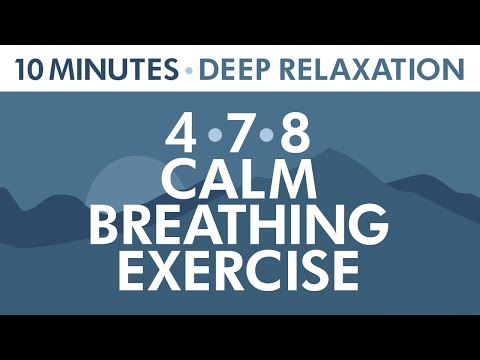
- 4-7-8 Breathing Method: This one is popular for a reason! You inhale for 4 seconds, hold for 7 seconds, then exhale slowly for 8 seconds. It’s proven to reduce anxiety and help with sleep.
Here’s a quick story: I remember once feeling overwhelmed before an exam. My mind was racing—thoughts were everywhere! I tried counting my breaths and focusing on each one. Slowly I started to feel lighter; my heart wasn’t pounding as hard, and I could think clearer.
When we exhale slowly during these breathing techniques, our heart rate decreases—which signals our brain to relax too! The vagus nerve plays a role here—it carries signals between the brain and organs involved in relaxation responses.
Using breathwork can also help manage stress levels over time by teaching you to respond differently to everyday situations.
It’s worth mentioning that while these techniques are helpful, they don’t replace professional help if you need deeper support with anxiety or stress. They can be fantastic tools in your toolbox but think of them like power-ups in a video game—they’re there to boost your performance but don’t solve everything on their own!
So next time life feels a bit too chaotic or anxiety creeps in unexpectedly, remember how important those deep breaths can be! Getting intentional with how you breathe could just be what helps activate that soothing parasympathetic nervous system of yours!
Understanding the 4 F’s of the Parasympathetic Nervous System and Their Impact on Well-Being
So, let’s chat about something really interesting: the parasympathetic nervous system. You might not think about it often, but it’s like your body’s chill-out mode. It’s all about relaxation, recovery, and basically getting your body back on track after stressful stuff. One cool way to explore this is through the 4 F’s—which stand for Feed, Fight, Flight, and Fawn.
The parasympathetic nervous system kinda balances out the chaos of life. When things get overwhelming, that’s when our sympathetic nervous system kicks in—think adrenaline-pumping fight or flight mode. But then there’s the parasympathetic side saying “Whoa, slow down!” This part helps you recover after a stressful moment.
- Feed: This refers to how we digest food and nourish ourselves. When you’re relaxed, your body can focus on digesting food better. Ever noticed how after a meal with friends you feel super chill? That’s your body working just right!
- Fight: Not literally fighting! It means when there’s danger (like, I don’t know—a bear in your backyard), sometimes we need to stand our ground. Afterward, though, you want to come back to calmness.
- Flight: This is about running away from threats. We all have those moments when we’re stressed and just want to escape—like skipping an event that makes us anxious.
- Fawn: Sometimes we people-please or go along with things just to keep the peace or avoid conflict—like when you agree to watch a movie you’re not into just because everyone else wants it.
The goal here is finding balance between these 4 F’s so you can thrive! When your parasympathetic nervous system gets activated—you know those times when you breathe deeply while relaxing—it’s like giving yourself an upgrade! Breathing techniques play a huge role here; they help activate this calming response. Think about it: ever tried taking long, slow breaths when you feel overwhelmed? That simple action can start calming down everything from your heart rate to muscle tension.
I remember once feeling super stressed before giving a presentation at work. I took a minute in the bathroom—yes, I locked myself in there—and did some deep breathing exercises. Honestly? It felt like flipping a switch from chaos to calm! Moments like that remind me of how powerful breath can be in activating our parasympathetic system.
This isn’t just some mumbo-jumbo either; research shows these breathing techniques can significantly improve well-being over time. So integrating this into your routine might help manage stress better than you’d expect!
If life throws challenges at you and everything feels too much? Maybe practicing breathing techniques could help ease it all up—just remember though: this info isn’t a substitute for professional help if you’re really struggling. It’s perfectly okay to reach out for support!
The bottom line is recognizing how vital those 4 F’s are for understanding ourselves better—and how tuning into our parasympathetic nervous system might just be one of the best invites we can send ourselves for some much-needed peace!
You know, life can get pretty hectic sometimes, right? Stress creeps in when you least expect it. One minute you’re cruising through your day, and the next, it feels like you’ve got a million things to juggle. I was reminded of this just the other day when I was at my friend’s birthday party. Everyone was laughing and having a great time, but inside, I felt like a tight balloon ready to burst.
Then someone suggested we take a moment to breathe together. At first, I thought that sounded a bit silly. I mean, we all know how to breathe! But then they guided us through this thing called parasympathetic breathing. Basically, it’s about tapping into your body’s relaxation response by slowing your breath down and focusing on deep inhales and exhales.
So there I was, surrounded by friends but feeling completely overwhelmed. But as I started breathing deeply—like really deeply—I noticed something shift inside me. The chaos felt less chaotic; it was like turning down the volume on life’s noise. You breathe in for four counts, hold for four counts, and then exhale for six or eight counts. It sounds super simple—like child’s play—but wow does it work wonders on your stress levels.
And here’s what’s fascinating: when you slow your breath like this, you stimulate the parasympathetic nervous system—also known as the «rest and digest» system. It kicks in during those times when you need to chill out; it helps lower heart rate and blood pressure while promoting relaxation throughout your body.
The cool thing is you don’t need any fancy equipment or a meditation cushion; just give yourself a few minutes wherever you are—a busy office or even while waiting for your coffee. It’s like give yourself permission to press pause amidst the craziness.
I walked away from that party feeling lighter—not just physically but mentally too! And seriously? Just knowing that you have this simple tool at your fingertips feels empowering.
So next time life throws some stress at you—or hey even if things feel fine—give this parasympathetic breathing a shot! It’s amazing how something so small can create such great peace of mind; really makes all the difference sometimes!