You know how sometimes our bodies can really mess with our heads? Like, one minute you’re feeling okay, and the next, a nagging pain takes over. Seriously, it’s exhausting!
Este blog ofrece contenido únicamente con fines informativos, educativos y de reflexión. La información publicada no constituye consejo médico, psicológico ni psiquiátrico, y no sustituye la evaluación, el diagnóstico, el tratamiento ni la orientación individual de un profesional debidamente acreditado. Si crees que puedes estar atravesando un problema psicológico o de salud, consulta cuanto antes con un profesional certificado antes de tomar cualquier decisión importante sobre tu bienestar. No te automediques ni inicies, suspendas o modifiques medicamentos, terapias o tratamientos por tu cuenta. Aunque intentamos que la información sea útil y precisa, no garantizamos que esté completa, actualizada o que sea adecuada. El uso de este contenido es bajo tu propia responsabilidad y su lectura no crea una relación profesional, clínica ni terapéutica con el autor o con este sitio web.
Chronic pain is no joke. It wears you down, day after day. And guess what? It can also drag your mood into the dumps.
It’s this complicated connection between physical hurt and emotional struggle. You could be laughing with friends one moment and then feel a wave of sadness hit you outta nowhere.
So let’s chat about this thing—chronic pain and depression—because it’s way more common than you might think. We need to talk about how they play off each other and how they can make life feel pretty overwhelming sometimes. Sound good?
Effective Treatment Strategies for Managing Chronic Pain and Depression
Chronic pain and depression often go hand in hand, creating a complex web that can be tricky to manage. When someone is dealing with constant physical discomfort, it can really take a toll on their mental health. It’s like being stuck in a video game where the bosses just keep coming at you, right? But don’t worry; there are ways to approach this challenge effectively.
Understanding the Connection
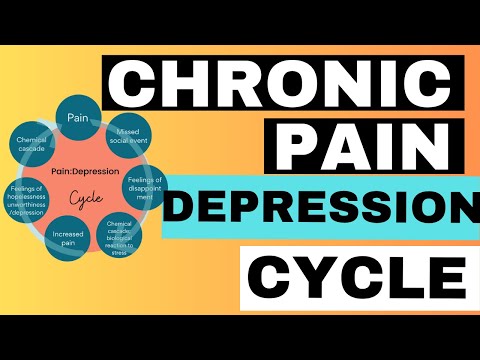
Pain can lead to feelings of helplessness and sadness. Imagine waking up every day in discomfort—eventually, that might drain your energy and motivation. Studies have shown that people with chronic pain are more likely to develop depression than those without it. This creates a vicious cycle: pain affects mood, and a low mood can make everything feel worse.
Effective Treatment Strategies
Let’s break down some strategies that can help manage both chronic pain and depression:
- Cognitive Behavioral Therapy (CBT): This type of therapy helps you change negative thinking patterns into more positive ones. It’s like leveling up your mental skills! By learning how to cope better with your thoughts, you might find that both pain and sadness feel less overwhelming.
- Physical Activity: Though it sounds counterintuitive when you’re hurting, gentle exercise can boost your mood and relieve tension. Think of it as upgrading your character’s stats! Something like walking or yoga could work wonders.
- Mindfulness and Relaxation Techniques: Practices such as meditation or deep breathing can help reduce stress levels. Picture this: you’re in a game, dodging bullets (stressors), but you pause for a bit to catch your breath—pretty refreshing, huh?
- Pain Management Programs: These typically involve a multi-faceted approach combining medication management, physical therapy, psychological support, and sometimes even alternative treatments like acupuncture or massage therapy.
- Building a Support Network: Surrounding yourself with friends or support groups who understand what you’re going through makes tackling these challenges easier. It’s like teaming up with allies in an epic quest!
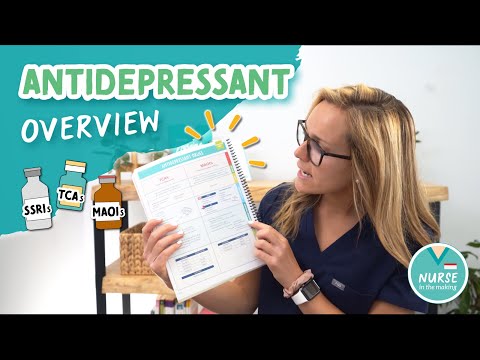
- Medication: Antidepressants or pain relievers may be necessary for some people. While they don’t solve everything alone, they can provide relief so other strategies have more impact—think of them as helpful sidekicks.
The Importance of Professional Help
While these strategies can be super helpful, they shouldn’t replace professional help from doctors or therapists trained in these areas. It’s vital to consult with healthcare providers who understand the relationship between chronic pain and depression so that treatment is tailored just for you.
In the end, managing chronic pain alongside depression isn’t just about one thing—it’s about weaving together various threads into an effective treatment plan. Remember that everyone’s journey is different; what works for one person might not work for another. So keep exploring until you find what fits best for you!
Understanding the Link Between Chronic Pain, Depression, and Anxiety: Insights for Effective Management
Chronic pain, depression, and anxiety often play a game of tag, where one can easily trigger the other. It’s like you’re stuck in an endless loop. Feeling pain? That can lead to feeling down or anxious. Feeling down? That can make your pain feel even worse. So, let’s unpack this a little.
Chronic Pain and Its Ripple Effect
When you deal with chronic pain—like back issues or migraines—it’s not just a physical thing. It seeps into your emotional well-being too. Think about it: if you wake up every day feeling like you’ve been hit by a truck, how would that affect your mood? Over time, the constant discomfort can lead to feelings of helplessness or sadness.
- Research shows that chronic pain sufferers are at higher risk for depression.
- Some studies suggest that about 50% of people with chronic pain also experience depression.
So yeah, if you’re hurting all the time, it’s no wonder your brain starts to play tricks on you, leading to feelings of despair.
Anxiety: The Uninvited Guest
Now let’s throw anxiety into the mix. When you’re living with chronic pain, it’s common to worry about when the next flare-up will happen or whether you’ll be able to get through your daily tasks. This kind of constant stress can build up, fuel anxiety levels, and make coping even harder.
Here’s an example: imagine playing a video game where every time you get hit by an enemy, it becomes harder to keep playing because you’re stressed about losing again! That’s kind of like what happens when you have chronic pain and anxiety.
- Anxiety can amplify perceptions of pain!
- Studies show that people with both chronic pain and anxiety experience worse symptoms compared to those dealing with just one.
The Complicated Connection
So why do these three—the chronic pain, depression, and anxiety—connect like they’re best buds? Well, it turns out they share some common ground involving our body’s chemistry.
When you’re in physical distress for long periods:
– Your body produces loads of stress hormones like cortisol.
– This can lead to things like inflammation which may worsen both physical and mental health issues.
You might find yourself stuck in this cycle where one condition feeds off another: pain leads you to feel hopeless (hello depression), then that hopelessness ramps up anxiety about your future health or ability to function normally.
Managing It All
Now for the big question—you might be wondering how on earth do we break this cycle? Management isn’t a one-size-fits-all situation; it requires teamwork between various methods:
- Physical Therapies: Gentle exercises or therapies tailored for those with chronic conditions.
- Cognitive Behavioral Therapy (CBT): A talk therapy style focused on changing thought patterns—it helps tackle negative thoughts about both pain and mood.
- Meditation and Mindfulness: These techniques help calm the mind and relieve stress.
- Medications: Sometimes antidepressants or anti-anxiety meds are prescribed alongside treatments for physical symptoms.
It’s essential though—nobody should navigate this alone! Always consider speaking with healthcare professionals who specialize in either mental health or chronic pain management.
In short, getting a grip on this complicated connection between these three conditions isn’t just important; it’s vital for improving overall quality of life. Each person’s journey looks different too; trial and error is part of finding what works best for you! Just remember—you’re not alone in dealing with this messy mixture of emotions and sensations!
Understanding the Link Between Comorbid Chronic Pain and Depression: Insights for Effective Management
Chronic pain and depression often tango together, creating a complicated connection that leaves many people feeling stuck. It’s like being trapped in a game where the levels get harder and harder.
First off, let’s talk about **chronic pain**. This is when you feel pain for a long time—often longer than six months. It can stem from all sorts of issues, like injuries, arthritis, or even conditions like fibromyalgia. So imagine you’re trying to play your favorite video game, but there’s this constant glitch making it impossible to move forward. Frustrating, right?
Now add **depression** into the mix. This isn’t just feeling sad; it’s like walking around with a heavy backpack filled with bricks all day long. You may lose interest in things you once loved—maybe your hobbies or social life take a hit.
The tricky part? They feed off each other! Chronic pain can drain your energy and mood, which can lead to feelings of hopelessness or sadness—let’s say that depression can amplify how you experience pain. Here’s what happens:
- Increased Sensitivity: Depression may heighten your perception of pain; it feels more intense when you’re already down.
- Difficulty Coping: When dealing with chronic pain, managing stress becomes even tougher if you’re also battling depression.
- Impact on Daily Life: Everyday tasks can become overwhelming; think about how frustrating it would be if your controller kept glitching out.
A personal story comes to mind here: my buddy Dave went through a tough stint with back pain that lasted years. He loved biking but slowly lost interest as his condition worsened. Over time, he found himself feeling blue—not wanting to hang out anymore. That cycle made his recovery even tougher!
So what can be done? Here are some insights for effective management:
- Multidisciplinary Approach: Combining physical therapy, counseling, and medication tailored to both issues can help break the cycle.
- Cognitive Behavioral Therapy (CBT): This helps by changing negative thought patterns associated with both chronic pain and depression.
- Mindfulness Practices: Techniques like meditation or yoga may relieve symptoms and improve overall well-being.
It’s important to remember that everyone is different—what works wonders for one person might not do much for another.
If you’re dealing with this tough combo of chronic pain and depression, consult professionals who can guide you through tailored options designed specifically for your needs. Each person deserves their own game plan because everyone’s journey is unique! You don’t have to navigate this alone; help is out there waiting for you!
Chronic pain is like that uninvited guest that just won’t leave, right? It doesn’t just mess with your body; it can really take a toll on your mind too. When your body is constantly screaming at you, it’s no wonder that feelings of sadness or hopelessness can creep in.
I remember my friend Lisa—she was always the life of the party until her back pain started acting up. At first, she thought it was something she could manage. But over time, the persistent ache wore her down. She felt trapped, like there was a heavy blanket smothering her energy and mood. And soon enough, that once vibrant smile turned into a forced grin, masking so much emotional turmoil.
You see, pain isn’t just physical; it seeps into every corner of your life. With chronic conditions, folks often find themselves withdrawing from activities they loved—going out with friends becomes less appealing when you’re worried about how much pain you’ll be in afterward. It’s like watching life from behind a glass wall! And then there’s the endless cycle where depression makes the pain feel worse and vice versa.
Research shows that people with chronic pain are more likely to experience depression. It totally makes sense because when you’re stuck in a cycle of discomfort and despair, finding joy can feel almost impossible. Plus, let’s be real: dealing with medical appointments and treatment plans can feel overwhelming too.
So, what’s the takeaway here? Well, it’s essential to acknowledge this connection between chronic pain and mental health because one doesn’t exist without the other—you know? I mean, if someone is struggling with ongoing discomfort, understanding how it’s impacting their emotional state matters!
Finding ways to address both can be so helpful—whether through therapy or supportive communities or even simple self-care practices that bring moments of relief (like gentle yoga or meditation). Sure, life might throw curveballs your way sometimes but talking about this connection openly is such an important step toward healing.
All in all? Chronic pain doesn’t just affect your body; it reaches deep into your mind and soul too. Recognizing this complex relationship is key in finding an approach that helps you feel whole again—even if it takes time and patience along the way!