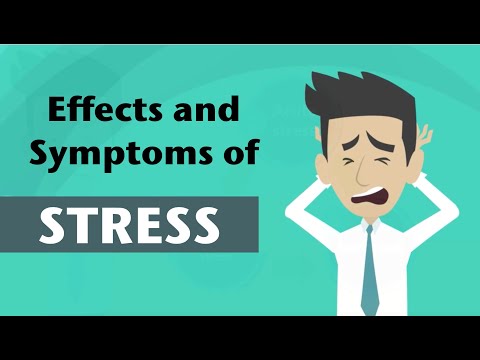
Hey! So, let’s chat about stress for a minute. You know, that feeling when your brain feels like it’s running a marathon? Yeah, that one.
Este blog ofrece contenido únicamente con fines informativos, educativos y de reflexión. La información publicada no constituye consejo médico, psicológico ni psiquiátrico, y no sustituye la evaluación, el diagnóstico, el tratamiento ni la orientación individual de un profesional debidamente acreditado. Si crees que puedes estar atravesando un problema psicológico o de salud, consulta cuanto antes con un profesional certificado antes de tomar cualquier decisión importante sobre tu bienestar. No te automediques ni inicies, suspendas o modifiques medicamentos, terapias o tratamientos por tu cuenta. Aunque intentamos que la información sea útil y precisa, no garantizamos que esté completa, actualizada o que sea adecuada. El uso de este contenido es bajo tu propia responsabilidad y su lectura no crea una relación profesional, clínica ni terapéutica con el autor o con este sitio web.
We all deal with stress, right? Sometimes it’s just a little annoying, other times it can really mess with your head and body. It’s wild how it creeps up on you.
But what’s important is knowing how to spot those sneaky symptoms. Seriously! They can be super subtle or slap you in the face.
And trust me, recognizing them can make all the difference in how you handle things. Let’s dig into this together, ok?
Recognizing the Signs of Stress: A Practical Guide to Understanding Your Emotional and Physical Responses
Recognizing stress is like playing a game where you need to spot the hidden clues. Sometimes, it’s easy to miss those signs because, let’s be real, life gets busy. We get wrapped up in our routines and forget to check in with ourselves. But understanding how stress shows up can really help us navigate better through those tough moments.
Physical Symptoms
Stress often manifests physically. Take a moment to consider how your body feels during stressful times. You might experience:
- Headaches: Those annoying thumping pains can sneak in when you’re under pressure.
- Tight muscles: Your neck or shoulders might feel like they’re made of stone.
- Fatigue: Even if you slept well, stress can leave you feeling drained and tired.
- Insomnia: Falling asleep might seem impossible, or maybe you’re waking up way too early.
I remember one time when I had a big presentation coming up. I was so stressed that I couldn’t sleep, and by morning, I felt like a zombie ready to walk into battle!
Emotional Responses
Then there are the emotional signs of stress. They’re just as important but sometimes harder to recognize since we often brush them off:
- Irritability: Feeling cranky over small stuff? Yeah, that’s likely stress talking.
- Anxiety: Constantly worrying about what could go wrong? Stress loves that!
- Feeling overwhelmed: It’s like you’ve got too much on your plate and can’t see a way out.
- Difficulty concentrating: Your mind might feel foggy—like trying to solve puzzles when you’re half asleep.
You know when you’re so stressed about something that even picking a movie feels impossible? That’s what it can feel like.
Cognitive Signs
Stress also affects how we think and process information:
- Poor memory: Forgetting important things? That can definitely be linked to high levels of stress.
- Nagging doubts: You might find yourself second-guessing everything—you know the «What if?» game?
Think of it this way: You’re trying to play your favorite video game while someone’s constantly shouting at you from the side. It makes it tough to focus on winning!
The Importance of Acknowledgment
Recognizing these symptoms is the first step toward addressing them, but remember: acknowledging stress doesn’t mean fixing everything overnight! It takes time and sometimes support from friends or professionals.
Finding ways to cope is key! Some people go for walks, binge-watch their favorite shows (guilty), or even dive into creative hobbies. Everyone has their own methods for relieving tension.
Just keep this in mind: If your symptoms feel too heavy or don’t seem to let up, that’s when reaching out for help really counts. Stress isn’t something we have to face alone!
In short, recognizing these signs—you know those physical twinges or emotional waves—is super important for understanding how stress plays into our lives. The more aware you are of what your body and mind are telling you, the better equipped you’ll be at handling life’s ups and downs.
So check-in with yourself every now and then—it could make all the difference!
Recognizing and Managing Stress: Practical Strategies for Everyday Life
Stress, right? We all experience it sometimes, and honestly, it can be a real pain. But the thing is, recognizing when you’re stressed is the first step to managing it. So let’s break this down together.
Symptoms of Stress
Stress can show up in many ways. You might find yourself feeling irritable or anxious. Maybe you’ve had trouble sleeping lately, or your stomach’s been doing weird flips. Here are some common symptoms to keep an eye out for:
- Physical Symptoms: Headaches, fatigue, or muscle tension.
- Emotional Symptoms: Feeling overwhelmed, mood swings, or sadness.
- Cognitive Symptoms: Trouble concentrating or racing thoughts.
- Behavioral Symptoms: Changes in appetite, withdrawing from social activities, or increased use of alcohol.
You know how sometimes you just can’t think straight? I once tried to finish a project while juggling a million other things. My mind was racing—like trying to play three video games at once! I ended up staring at my screen for hours and got absolutely nowhere.
Managing Stress
So now that we know what stress looks like, let’s chat about how you can manage it in your day-to-day life.
- Mindfulness and Meditation: Taking just a few minutes daily to breathe deeply can be a game changer. Seriously! Focus on your breath; it helps calm your mind.
- Exercise: Whether it’s jogging or just dancing around your living room, moving your body releases those feel-good endorphins that fight off stress.
- This too shall pass: Remember that stress is temporary. When things get overwhelming, remind yourself that you’ll come out stronger on the other side!
- Talk It Out: Sometimes venting to a friend helps lighten the load. Sharing what you’re feeling not only eases stress but also strengthens bonds.
Let me tell you something relatable: when life gets hectic, I often reach out to my friends for support. We’ll grab coffee and chat about anything except the stresses of life—it really puts everything into perspective!
The Importance of Professional Help
Now look, if stress starts taking over your life—affecting your health and happiness—it may be time to seek professional help. Therapists are out there ready to help guide you through this stuff.
Let’s say you’re playing an intense game where you’re stuck on a level forever. Sometimes you need another player to offer help or tips! That’s kind of like what therapy can do for stress—it gives you new strategies and perspectives.
In the end—stress is totally normal; acknowledging it is key! Keep an eye out for those symptoms and don’t hesitate to try some of these strategies if you need them. Just remember: everyone has their ups and downs with stress; sharing experiences makes us feel less alone in this wild ride called life!
Identifying Physical Symptoms of Stress Leaving the Body
Stress is like that uninvited guest who crashes the party and refuses to leave. It can sneak up on you and take a toll on your body in ways you might not even notice at first. It’s essential to be aware of how stress manifests physically because, let’s face it, your body sends you messages all the time. Ignoring them is like ignoring that flickering light in a video game; it might seem minor but can lead to bigger problems down the line.
When you’re stressed, your body goes into fight-or-flight mode. This is your internal alarm system kicking in, preparing you to handle whatever danger seems imminent—even if it’s just a long meeting or an overflowing inbox. Here are some common physical symptoms of stress:
- Muscle Tension: You ever feel like your shoulders are up around your ears? That’s stress tightening its grip. Muscle tension is super common and can lead to headaches or back pain.
- Fatigue: Stress can drain your energy faster than that one friend who always wants to stay out late. You could be getting enough sleep but still feel wiped out because stress takes a toll on your mind and body.
- Sweating: Ever get clammy hands before a big presentation? That’s adrenaline doing its thing! Your body becomes more sensitive when you’re stressed, causing sweating even if the temperature is just fine.
- Digestive Issues: You might find yourself running to the bathroom more often, or maybe your stomach feels like there’s a storm brewing inside it. Stress messes with digestion and can lead to discomfort.
- Increased Heart Rate: When you’re stressed, you might notice your heart racing like you’re running from an imaginary bear. This happens because stress hormones like cortisol get released into the bloodstream.
Let me share a little story—once I was stressed about a presentation at work, right? I prepared for days but still felt that familiar knot in my stomach as the day approached. On the big day, my heart raced so much that I could hardly stand still! And guess what? My hands were so sweaty I could barely hold my notes! My body was shouting at me, “Hey! Something’s not right here!”
So, why does all this matter? Recognizing these physical signs of stress can help you address them before they snowball into something bigger. Maybe it means taking a break when you’re feeling overwhelmed or practicing mindfulness techniques—like deep breathing—before jumping into stressful situations.
But here’s where it gets tricky: sometimes we ignore these symptoms because life moves fast and it’s easy to dismiss what our bodies are trying to tell us. Remember: it’s completely okay to seek help if things feel too heavy—or even just talk about what’s going on.
In summary: pay attention to what your body is telling you about stress. Knowing these physical symptoms lets you take action instead of letting stress run amok in your life! Always consider reaching out for professional help if this feels overwhelming; taking care of yourself is never wrong!
You know what? Stress is just one of those things that creeps up on you when you least expect it. I remember this one time during finals week in college. I had so much going on—late nights, endless coffee, and a pile of textbooks taller than me. One day, I woke up feeling like I’d been hit by a truck. My heart was racing, my stomach was twisted in knots, and all I could think was “how am I going to make it through this?”
That’s where the tricky part comes in. Stress has these sneaky symptoms that can take over your life if you’re not careful. You might notice physical signs like headaches or fatigue creeping in. Ever felt that tightness in your shoulders after a long day? Yeah, that’s stress showing itself too.
Emotionally, stress can mess with your mind big time. You might find yourself feeling more irritable than usual or just downright anxious for no clear reason at all. And then there’s the brain fog—oh man! It’s like trying to wade through mud trying to concentrate on anything. Suddenly you’re misplacing things or forgetting appointments and thinking: “What is wrong with me?”
Another thing? Your sleep might totally tank—and let’s be real, that feels awful! Tossing and turning while your brain races through everything you have to do isn’t fun at all. You wake up feeling even more exhausted than before!
But here’s the thing: recognizing these symptoms is half the battle won. Once you start identifying when stress is sneaking into your life, it’s easier to tackle it head-on. Maybe take a break and go for a walk or practice some deep breathing exercises.
The important part is addressing stress before it snowballs into something bigger—like burnout or chronic anxiety—because nobody wants that! So pay attention to how you’re feeling and don’t hesitate to reach out to friends or professionals if you feel overwhelmed.
In the end, acknowledging those signs of stress can really help change the game for your mental health. Just remember—you’re definitely not alone in this!