You know when you’re trying to figure out why you click with some people, but not others? Yeah, it can be a real head-scratcher. So, let’s talk about personality types.
Este blog ofrece contenido únicamente con fines informativos, educativos y de reflexión. La información publicada no constituye consejo médico, psicológico ni psiquiátrico, y no sustituye la evaluación, el diagnóstico, el tratamiento ni la orientación individual de un profesional debidamente acreditado. Si crees que puedes estar atravesando un problema psicológico o de salud, consulta cuanto antes con un profesional certificado antes de tomar cualquier decisión importante sobre tu bienestar. No te automediques ni inicies, suspendas o modifiques medicamentos, terapias o tratamientos por tu cuenta. Aunque intentamos que la información sea útil y precisa, no garantizamos que esté completa, actualizada o que sea adecuada. El uso de este contenido es bajo tu propia responsabilidad y su lectura no crea una relación profesional, clínica ni terapéutica con el autor o con este sitio web.
There are these things called the 16 personality types. They’re like little boxes we can fit ourselves (and our friends) into. It’s kinda fun and also super useful. Seriously!
Imagine knowing exactly why your friend is always late or why you can never agree on what movie to watch. Sounds cool, right? Well, that’s the magic of understanding personality types!
In a nutshell, these types help explain how we think, feel, and react in different situations. You might even discover a few surprises along the way! Let’s dig in and figure out what makes you and your crew tick!
Understanding the 16 Personality Types: Characteristics and How to Take the Test
So, let’s chat about the 16 personality types. You might have heard of the Myers-Briggs Type Indicator (MBTI), which is where these types come from. Basically, it’s a way to categorize how people think, feel, and behave—a bit like putting your personality into a neat little box. Now, I know that can sound limiting, but really it just helps us understand ourselves and others better.
The MBTI breaks down personality into four dichotomies:
- Introversion (I) vs. Extraversion (E): This measures where you get your energy from. Introverts recharge by spending time alone, while extraverts thrive on social interaction.
- Sensing (S) vs. Intuition (N): This contrasts how you process information. Sensors focus on concrete details and present realities; intuitives look at patterns and possibilities.
- Thinking (T) vs. Feeling (F): Here’s where decision-making comes in. Thinkers rely on logic and objectivity, whereas feelers prioritize personal values and emotions.
- Judging (J) vs. Perceiving (P): This deals with your approach to life. Judgers prefer structure and order, while perceivers enjoy flexibility and spontaneity.
Now, when you mix those letters together, you end up with one of the sixteen different personality types! For example:
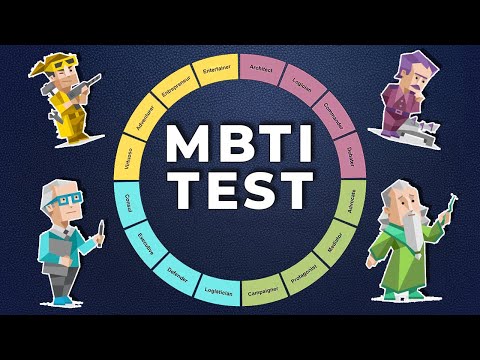
- INTJ: The Architect—strategic thinkers who are high on planning.
- ESFP: The Entertainer—spontaneous folks who love to connect with others through experiences.
- INFJ: The Advocate—deeply empathetic individuals who often seek meaning in their relationships.
Here’s a quick story for you: I remember my friend Sarah took the test one day just out of curiosity. She always thought she was pretty easy-going until she found out she was an INFP—the Mediator! She had no idea her idealistic nature was such a big part of her personality until it was laid out in front of her like that.
So how do you actually take the test? Well, there are various online platforms offering it for free or for a small fee. Just look up “MBTI test,” and you’ll find plenty options! Just keep in mind that this isn’t some infallible truth about who you are; it’s more like a guideline rather than a rulebook.
When you’re answering questions, be honest with yourself! If you’re unsure about something—like whether you’d rather plan every detail or just go with the flow—think about what feels right most often for you.
Hey, if you’re wondering if this can help in real life? Totally! Some people say understanding these types has helped them improve their relationships or even work better with others because they can see where different personalities clash or align.
To wrap things up: the sixteen personality types offer a fun—and sometimes revealing—way to reflect on our thoughts and behavior patterns. They don’t replace professional help when needed but can sure give you some valuable insights about yourself and those around you.
So give it a shot! Who knows? You might just discover something new about yourself that will make life just a bit easier to navigate!
Understanding the 4 Key Personality Types: Characteristics and Behavioral Insights
Sure! Let’s break down the four key personality types in a way that feels friendly and relatable. These types can help you understand yourself and others a bit better. While we’re at it, I’ll sprinkle in some examples to keep things fun and engaging.
1. The Leader (Dominant): Imagine someone who is always ready to take charge. This personality type is assertive, confident, and often seen as a natural leader. They like challenges and thrive in competitive environments.
- Characteristics: Direct communication, decision-makers, goal-oriented.
- Behavior: They might come off as blunt or, at times, aggressive.
Think of a game where you have to lead your team to victory—like in *League of Legends*. A dominant personality jumps right into battle plans while rallying everyone around their ideas.
2. The Thinker (Analytical): Now let’s talk about the thinkers. These folks are known for their attention to detail and logical reasoning. They analyze everything and love gathering information before making decisions.
- Characteristics: Inquisitive, organized, often introverted.
- Behavior: Sometimes they struggle with indecision since they want all the facts first.
Picture a character in *Civilization*, where decisions about building an empire hinge on data—you’ll see thinkers excel here by weighing every option before forging ahead.
3. The Nurturer (Amiable): Nurturers are the peacemakers of any group. They value relationships and harmony above all else. These individuals are kind-hearted and usually prefer teamwork over solo ventures.
- Characteristics: Empathetic, patient, supportive.
- Behavior: They often avoid conflicts but can become overwhelmed if everyone looks to them for support.
Think of how a Nurturer might act during a cooperative game like *Among Us*. While others may point fingers during discussions, they’re more likely to listen and advocate for unity whenever possible.
4. The Adventurer (Expressive): Lastly we have adventurers! This type is outgoing and enthusiastic—they live for new experiences! Their creativity knows no bounds; you could say they thrive on excitement.
- Characteristics: Spontaneous, charismatic, open-minded.
- Behavior: Sometimes they might struggle with follow-through because they get excited about new ideas quickly.
In games like *Mario Kart*, an adventurer will be zooming ahead with bold moves—always looking for a new shortcut while others stick to the beaten path!
All these personalities bring unique strengths to the table. Understanding them can help improve your relationships and communication styles with friends or colleagues. Each type contributes different skills that balance each other out well.
Just remember that these descriptions aren’t rigid boxes you get stuck in; they’re more like shades on a palette you can mix together! And hey—if you’re struggling with self-discovery or any emotional issues, chatting with a mental health professional is an awesome choice too!
Understanding the Myer Briggs Personality Test: Insights into Personality Types and Their Applications
The Myers-Briggs Personality Test is a popular tool for understanding personality types. It’s based on the idea that our preferences in how we perceive the world and make decisions shape who we are. Isn’t it cool to think that your personality can be categorized into different types? Let’s break it down a bit.
So, there are 16 different personality types in this system. They’re grouped according to four dichotomies, which basically means they’re like pairs of opposites. Think about it like this: you’ve got introversion (I) versus extroversion (E), sensing (S) versus intuition (N), thinking (T) versus feeling (F), and judging (J) versus perceiving (P). Each person can fall anywhere on those scales, creating their unique combination.
For example, someone who identifies as an INTJ is more introverted, intuitive, thinking, and judging. This type is often seen as strategic and analytical. They tend to enjoy planning and organizing things rather than diving into social situations headfirst.
Now let’s chat about the applications of these personality types. Many folks use the Myers-Briggs Test in various settings—think workplaces or team-building activities. Seriously! It helps people understand themselves better and improves communication with others. Imagine your boss knowing your INFJ type—this could make for smoother interactions!
Here’s a quick breakdown of some of those 16 types:
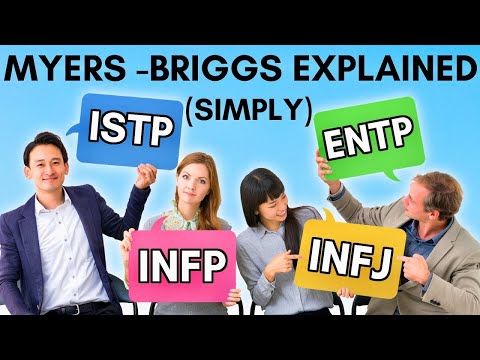
- ISFJ: Often caring and responsible; great at taking care of others.
- ENTP: Known for being clever and adaptable; they love brainstorming ideas!
- ESTJ: These folks are often practical leaders; they thrive on organization.
- INFP: Super idealistic; they are often seen as dreamers who value authenticity.
Thinking about how these personalities interact can be pretty fascinating! If you think of board games like **Dungeons & Dragons**, each character can represent a different personality type with unique strengths and weaknesses. Just like in life, knowing your group’s dynamics could lead to better gameplay experiences!
But hold up! While this test might be enlightening, it’s important to remember that it’s not a one-size-fits-all solution. Taking the Myers-Briggs isn’t going to solve all your problems or give you crystal-clear life direction. It’s just one tool among many for self-exploration.
At the end of the day, grasping these various personality types can deepen your understanding of yourself and the people around you. Plus, knowing what makes others tick can foster empathy in relationships—whether it’s with friends or co-workers.
In summary: The Myers-Briggs Personality Test is all about those distinct preferences we have in life that shape our interactions. Just don’t forget—you’re more than just a label!
Okay, so let’s chat about these 16 personality types. You know, it’s one of those things that can really help you understand yourself and even your friends or coworkers. I mean, isn’t it fascinating how we all just tick differently?
The whole idea comes from this psychological theory called Jungian psychology, which was later adapted into the Myers-Briggs Type Indicator (MBTI). So basically, it sorts people into four main categories based on two opposing traits for each category: introversion vs. extroversion, sensing vs. intuition, thinking vs. feeling, and judging vs. perceiving.
Let’s break it down a little more—if you’re an extrovert (E), you likely recharge around people; if you’re an introvert (I), being solo might give you your energy boost. Then there’s sensing (S) versus intuition (N). Sensing types tend to focus on the facts and the present moment while intuitive folks like to think about future possibilities and connections. Moving on to thinking (T) and feeling (F)—thinkers analyze things logically while feelers prioritize emotions and the human side of things. Lastly, judging (J) means you like structure and plans; perceiving (P) means you’re more flexible and spontaneous.
So that gives us 16 different combinations! It’s wild to think how someone can be an INFP one minute—idealistic dreamers who want to make a difference—and then flip to being an ESTJ with their organized, no-nonsense approach to life.
I remember when I took my first personality test in college—it was kind of a “light bulb” moment for me. I found out I was an INTJ—basically a mastermind strategist type—and reading through the characteristics felt like looking at a mirror! Sure, some traits were spot on while others were laughably off-base but still fun to ponder.
Each type has its strengths and weaknesses too, which is where things get really interesting. For example, INFJs are often seen as empathetic listeners but they might struggle with setting boundaries because they care too much about others’ feelings. Meanwhile, ESTPs are usually adventurous thrill-seekers but can sometimes overlook details in their quest for excitement.
What I find really neat is that these types aren’t set in stone either! You might shift over time or adapt based on experiences and growth—so don’t feel trapped by your label! Understanding your type is more like having a toolkit than wearing handcuffs; it’s there to help navigate life rather than limit options.
So yeah, whether you’re huddled up analyzing data or out painting the town red with friends, knowing these personality quirks can make social interactions less awkward and more enlightening! You see why this stuff matters? It’s all about connection at the end of the day—understanding ourselves better can lead us to understand others just a pinch more too!