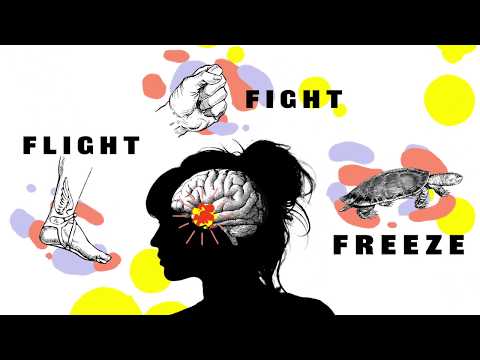
Hey there! So, let’s talk about stress. You know, that feeling we all get when life throws a curveball our way.
Este blog ofrece contenido únicamente con fines informativos, educativos y de reflexión. La información publicada no constituye consejo médico, psicológico ni psiquiátrico, y no sustituye la evaluación, el diagnóstico, el tratamiento ni la orientación individual de un profesional debidamente acreditado. Si crees que puedes estar atravesando un problema psicológico o de salud, consulta cuanto antes con un profesional certificado antes de tomar cualquier decisión importante sobre tu bienestar. No te automediques ni inicies, suspendas o modifiques medicamentos, terapias o tratamientos por tu cuenta. Aunque intentamos que la información sea útil y precisa, no garantizamos que esté completa, actualizada o que sea adecuada. El uso de este contenido es bajo tu propia responsabilidad y su lectura no crea una relación profesional, clínica ni terapéutica con el autor o con este sitio web.
Ever notice how some folks get super tense and ready to rumble? That’s the fight response kicking in. It’s like your body’s alarm system going off, saying, “Hey! It’s time to get tough!”
But what really makes you wanna fight? And how does it feel in the moment? I mean, picture this: you’re facing a crazy workload and your brain feels like it’s about to explode. Seriously, it’s wild what stress can do to us!
Stick around—I’ll break down those triggers and reactions so you can see what’s happening when the heat is on. You with me? Cool! Let’s go!
Understanding the Stress Response: Effects on the Body and Mind
Stress is a familiar word in our daily lives. It can sneak up on you when you least expect it, right? You know, like when you’re late for a meeting or facing an exam! When stress strikes, your body dances to the beat of the “fight or flight” response. This ancient mechanism revs up your system and prepares you for action. But what does that really mean?
When you face a stressor—like a growling dog or a looming deadline—there’s an immediate reaction. Your brain senses danger and sends signals out to your body, causing adrenalin to kick in. You might feel your heart race and breath quicken. This reaction is *completely normal*; it’s your body gearing up for battle or escape.
Let’s break down how this works:
- Physical Responses: Blood flow increases to your muscles as they get ready for action. Your pupils dilate, and digestion slows down because, honestly, who cares about eating when you’re running from that metaphorical bear?
- Mental Effects: Your brain becomes hyper-focused; it’s like turning on a spotlight in a dark room. You can think faster but also can get overwhelmed if the stress isn’t handled well.
- Emotional Impact: You might feel jittery or anxious. Sometimes this can lead to irritability, mood swings, or even that ‘on edge’ feeling where you’re just waiting for the next thing to set you off!
So why does all of this happen? It’s pretty fascinating! Essentially, our ancestors needed these reactions to survive in dangerous situations – think skirmishes with wild animals or escaping natural disasters. But in today’s world? Stress doesn’t usually come from grizzly bears; it’s often work deadlines or personal relationships firing up those alarms.
Consider this: Have you ever played one of those intense video games where you’re fighting foes and racing against time? That rush of excitement and urgency mimics the stress response! You’re not actually fighting for your life but your body gets charged up just the same.
The downside? Chronic stress—when you’re stuck in that fight-or-flight mode too long—can wreak havoc on both mind and body:
- Health Consequences: Physical issues like high blood pressure, insomnia, and even digestive problems may sneak in if you don’t manage stress well.
- Mental Strain: Anxiety disorders or depression could develop when you constantly feel overwhelmed.
In everyday life, finding ways to de-stress is crucial because nobody needs nagging health issues! Activities like exercise, meditation, or just finding time to relax help bring balance back into your life.
So remember: Stress responses are natural and important for survival but must be managed. Keeping things under control helps keep both your *body* and *mind* functioning well! And if things do get heavy? There’s no shame in looking for professional support—you deserve peace of mind!
Understanding the Fight or Flight Response: The Roles of Sympathetic and Parasympathetic Nervous Systems
Let’s talk about something that happens to you almost automatically when you’re faced with stress or danger: the fight or flight response. This is your body’s built-in alarm system, designed to keep you safe. When you encounter a threat, your body goes into high gear, but how does it do that? That’s where the sympathetic and parasympathetic nervous systems come into play.
The **sympathetic nervous system** is like your body’s accelerator. It kicks in when there’s something scary going on—like suddenly realizing you’re being chased by an angry dog. You know that rush of adrenaline you get? That’s this system activating. Your heart starts pounding, breathing speeds up, and blood rushes to your muscles. All these things prepare you to either fight the threat or run away as fast as possible.
- Increased heart rate: This pumps more blood to your muscles.
- Dilation of pupils: This lets more light in so you can see better.
- Release of cortisol: A stress hormone that increases energy available for a quick response.
Imagine playing a video game where you’re facing a boss level. Your heart races; you’re hyper-focused on dodging attacks and hitting back. That’s basically what your body is doing but in real life! Now, after the danger has passed, your body needs to calm down. Enter the parasympathetic nervous system, which acts like the brakes in this whole scenario.
- Slowing heart rate: Helps bring everything back to normal after the excitement.
- Stimulating digestion: Allows your body to focus on recovery rather than survival mode.
- Pupillary constriction: Reduces light intake as things settle down.
The parasympathetic system helps restore balance; it takes you back from “oh no!” mode to chill mode. Think about when you finish that intense game session—you might take a moment to breathe and relax before diving into another round or just chilling with friends. That sense of calm? Totally thanks to this system getting into action!
You might wonder what triggers these responses in daily life too—not all threats are physical, right? Stress from work, deadlines, or even arguments can fire up that sympathetic response! You may find yourself feeling tense before an important meeting or while juggling too many tasks at once.
This whole thing is totally normal and happens without us even thinking about it! But here’s the kicker: if stress becomes chronic due to ongoing pressures like work demands or personal issues, it can lead to serious health problems over time. So if you’re feeling overwhelmed frequently, it might be worth chatting with someone who knows their stuff—like a mental health professional—just for some extra support.
The fight or flight response is fascinating because it’s such an integral part of our survival mechanism—it keeps us alert and ready for action! Just remember though: for every action there should be an equal reaction; finding ways to manage stress effectively makes all the difference in maintaining overall wellness.
Understanding Fight or Flight Response: Real-Life Examples and Insights
The fight or flight response is a pretty fascinating topic, isn’t it? It’s all about how our bodies react when we face danger or stress. Basically, your body decides whether to stand and fight that bear—or whatever’s stressing you out—or to run away like the wind. This instinct is built into us, thanks to our ancestors who had to deal with real-life threats like predators. But in today’s world, it can look a little different.
Let’s break down the “fight” response. When something stressful pops up, your body releases hormones like adrenaline and cortisol. These guys get your heart pumping and your senses sharp. You might feel more energized, but also a bit jittery—like the last time you tried that spicy hot wing challenge!
Now, imagine you’re in a meeting at work. Suddenly, your boss calls you out for something you didn’t even do! Your heart races; sweat starts forming on your brow. You’re feeling that instinct kick in. Maybe you want to defend yourself or retaliate verbally—just like in a video game when you have to choose the right strategy for battle.
Common triggers for this response usually include:
- A feeling of being threatened or attacked.
- A high-pressure situation, like public speaking.
- (Seriously!) Unexpected surprises that cause panic.
- A sense of being overwhelmed by responsibilities or deadlines.
Your reactions can vary a lot too! Some people might yell back during an argument; others could become quiet and tense up. Think of it like two characters in a game: one charges forward while the other finds cover behind whatever’s available.
It gets even trickier when you think about how this response can lead to some pretty unique behaviors outside life-threatening scenarios. For example, if someone feels undervalued at work continually, they might start snapping at coworkers over minor issues—it’s their anxiety coming out swinging!
This isn’t just about reacting aggressively; there are also emotional aspects involved here. Underneath all that anger could be fear or insecurity driving the fight response on full throttle! Like when you see someone acting tough but deep down they’re dealing with way more than we can see.
If you’re finding yourself constantly feeling stressed out or having those fight-like reactions often, it might help to talk things through with someone who knows their stuff—like a therapist or counselor. They can help guide you through managing those feelings before they turn into full-blown battles outside your control.
So next time you’re in a situation where you’re ready to throw down (figuratively speaking), take note of what’s going on inside you. Understanding this primal reaction could give you insights on how best to handle yourself moving forward!
Stress can really turn us into different versions of ourselves, right? I mean, think about it. There you are, just minding your own business, and then boom! Something happens—a deadline pops up at work or maybe you get into an argument with a friend. Suddenly, your heart races and your palms sweat. That’s what they call the “fight response,” and it’s all part of how our bodies react to stress.
The fight response is basically our survival mode kicking in. When we face a threat—real or perceived—our brain sends signals that trigger a whole bunch of physical reactions. You might notice your muscles tense up or even feel like you can’t catch your breath. This isn’t just random; it’s rooted deep within us, part of our evolutionary past when our ancestors had to deal with actual dangers like predators.
I remember one time I was running late for an important meeting. I spilled coffee all over my shirt right before heading out the door! My instant reaction? Total panic! My heart started pounding like it was trying to break free from my chest. Even though the stakes weren’t life or death, my body still thought they were. So I threw on a jacket and dashed out like a maniac—definitely not my proudest moment!
But here’s the thing: Not every stressor deserves that level of intensity. Sometimes our brains misinterpret situations as threats when they’re really not that serious—like missing a meeting or getting stuck in traffic. It’s pretty wild how our minds can blow things out of proportion, huh?
Now, let’s talk about triggers for a sec. Things that set off this fight response can vary so much from person to person; it could be social situations for some and work pressures for others. Maybe you have that one coworker who always gets under your skin? Or perhaps family gatherings make you feel like you’re walking on eggshells? The cool (but also frustrating) part is knowing that these reactions aren’t just in your head—they’re happening at a biological level.
So what do we do about it? Well, first off, recognizing those triggers is key! Once you identify what sets you off, it’s easier to manage those situations instead of letting them control you. Breathing exercises or just stepping away to collect yourself might help calm down that fight-or-flight instinct before it gets outta hand.
At the end of the day, we all have those moments where stress turns us into someone else entirely—it’s totally normal! By learning how to understand these reactions better, we can work toward handling them without feeling overwhelmed by our own emotions. Just remember: you’re not alone in this struggle!