You know that feeling when your heart races, and your palms get all sweaty? Yeah, anxiety really knows how to crash a party.
Este blog ofrece contenido únicamente con fines informativos, educativos y de reflexión. La información publicada no constituye consejo médico, psicológico ni psiquiátrico, y no sustituye la evaluación, el diagnóstico, el tratamiento ni la orientación individual de un profesional debidamente acreditado. Si crees que puedes estar atravesando un problema psicológico o de salud, consulta cuanto antes con un profesional certificado antes de tomar cualquier decisión importante sobre tu bienestar. No te automediques ni inicies, suspendas o modifiques medicamentos, terapias o tratamientos por tu cuenta. Aunque intentamos que la información sea útil y precisa, no garantizamos que esté completa, actualizada o que sea adecuada. El uso de este contenido es bajo tu propia responsabilidad y su lectura no crea una relación profesional, clínica ni terapéutica con el autor o con este sitio web.
Sometimes it feels like there are just too many things trying to freak us out. Work stress, relationship drama, even just going out into the world can set off those alarm bells.
But why? What’s going on in our heads when this happens? I mean, it can feel super overwhelming at times!
Well, let’s break it down. We’ll chat about what triggers that classic fight or flight response and how it messes with our heads and bodies. You with me? Cool! Let’s go!
Understanding the Fight or Flight Response: The Role of Sympathetic and Parasympathetic Systems
The fight or flight response is a fascinating survival mechanism our bodies have developed over time. When you’re faced with a threat—like, say, a big dog barking at you—your body kicks into high gear. It’s pretty wild how it works!
Imagine you’re walking down the street and suddenly, you spot that dog. Your heart races, your palms get sweaty, and you might even feel a little lightheaded. That’s your body saying, “Hey! Time to either fight this thing or run like the wind!”
So, what causes all this? Well, it mainly comes down to two systems in our nervous system: the sympathetic and parasympathetic.
- Sympathetic nervous system: This is your body’s alarm system. When danger strikes, it releases adrenaline (also known as epinephrine), which gets everything geared up for action. Think of it as hitting the turbo button! You get increased heart rate and heightened senses.
- Parasympathetic nervous system: This one’s like your body’s chill button. After you’ve either fought or fled (or maybe just frozen in place), it helps calm you down. It slows your heart rate and returns things back to normal.
It’s pretty cool how these two systems work together but can also cause issues too. With today’s modern stressors—like work deadlines or social anxiety—many people find themselves stuck in that hyper-alert mode more often than not.
When the sympathetic system is constantly active due to stressors that don’t require actual physical responses, things can get messy. You might experience what some folks call «fight-flight-anxiety.» It shows up in different ways:
- Panic attacks: Your body thinks there’s danger when there really isn’t, causing intense fear.
- Chronic stress: Living in fight or flight mode leads to exhaustion and burnout.
- Irritability: Constant tension might make you snappy with loved ones—sorry friends!
- Avoidance behaviors: This can lead people to avoid situations that trigger these responses, which sometimes makes things worse.
Let me tell ya a story about my friend Jake. He once got tackled during a game of flag football—a total freak accident—but instead of brushing it off like everyone else did after they laughed about it for ten seconds flat, he got this crazy rush of adrenaline that left him jittery for days! He couldn’t shake that feeling of being amped up; every loud noise made him jumpy.
This goes to show how those systems can sometimes misfire even when we think we’re safe! You see? Even outside of dangerous moments like wild dog encounters or surprise tackles in football games, anxiety can leave its mark on us through this fight-or-flight response.
But remember! If you’re feeling stuck in fight-or-flight mode more than you’d like—or experiencing anxiety—it may help talk with someone who knows their stuff about mental health. Seeking help isn’t just okay; it’s super smart!
In summary: understanding your body’s reaction during stressful situations can be enlightening. Whether you’re gearing up for a big presentation or just trying to survive an awkward party moment! Learning more about how these systems operate can arm you with knowledge—and maybe even help tame those runaway nerves next time they decide to race off without you!
Understanding the Fight or Flight Response: How a Stuck Nervous System Affects Your Body and Mind
The fight or flight response is like your body’s panic button. When you face danger—real or perceived—your nervous system kicks in, prepping you to either fight the threat or run away. It’s a survival mechanism that has kept humans safe for ages, but here’s the thing: sometimes, this response can get stuck.
When your body goes into fight or flight mode, it releases stress hormones like adrenaline and cortisol. You might start sweating, your heart races, and your muscles tense up. It’s that feeling you get right before giving a big presentation or when you’re playing an intense game and someone is right on your tail. But what happens if that feeling doesn’t go away?
- Prolonged Anxiety: If your nervous system gets stuck in this state, it can lead to chronic anxiety. Imagine feeling on edge all the time—like you’re still in that intense moment even when everything is calm.
- Physical Symptoms: This constant state of alertness often leads to physical symptoms like headaches, digestion issues or insomnia. Your body can only handle so much stress before it starts breaking down.
- Mental Health Impacts: Over time, being in survival mode can contribute to mood disorders like depression and anxiety disorders.
I remember a time when I had to give a speech at a family gathering. My heart raced; my palms got sweaty—it was pure fight or flight mode! But afterward? I barely slept for days thinking about how I could’ve done better. That was my nervous system still revving up for non-existent threats.
And here’s the kicker: while fight or flight is natural, some triggers can set it off without any real danger lurking around. Stressful jobs, relationship troubles, and even social pressures can activate this response unnecessarily.
- Coping Mechanisms: It’s crucial to recognize these triggers and find ways to cope—like practicing mindfulness or breathing exercises—to tell your body it’s safe.
- Physical Activity: Regular exercise helps regulate these responses too. Think of it as hitting reset on that panic button!
So what about those moments when nothing feels right? Feeling stuck? That’s where understanding comes into play. Knowing the signals of a jammed nervous system empowers you to take action—whether it’s talking with a friend about how you feel or seeking professional help from a therapist.
And remember: while I’m here sharing this info with you, it doesn’t replace professional help if you’re struggling with anxiety or related issues. It’s always okay to reach out for more support if needed!
Understanding Fight, Flight, and Freeze Responses: Real-Life Examples and Explanations
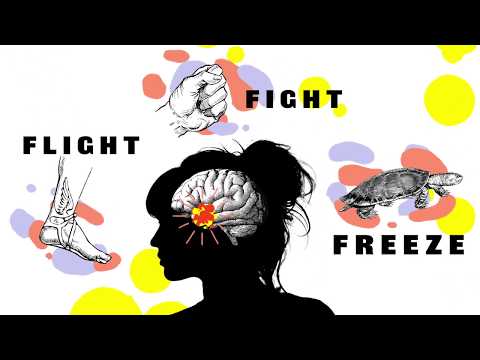
So, let’s chat about those moments when our body goes into overdrive—the fight, flight, and freeze responses. It’s like a superhero instinct that kicks in when we’re faced with something scary. Sometimes you feel like you’re ready to punch a wall (fight), other times, you’re running like your life depends on it (flight), or maybe you’re just stuck there, unable to move (freeze). These reactions are super important for survival and can be tied to anxiety.
The truth is, these responses are part of our autonomic nervous system. When faced with a threat, whether it’s an angry dog or a deadline at work, your brain gets an alert. It’s like flipping a switch! This system can get you pumped full of adrenaline. But let’s break it down a bit more.
- Fight: This is that moment when you decide to confront whatever’s making you anxious. Imagine you’re in a game where the bosses keep coming at you. You have weapons—you fight! It can be useful in situations where standing up for yourself matters.
- Flight: Think about being chased in a video game; your character runs away from obstacles. In real life, it might mean avoiding social situations or leaving stressful scenarios quickly. It’s not weakness; it’s survival mode!
- Freeze: Sometimes your character in the game just stops—you know? This happens when anxiety overwhelms us so much that we can’t act. You could be experiencing this during exams or public speaking.
You might be thinking: “Okay, cool—but why does this matter?” Well, understanding these responses can help you when anxiety sneaks up on you and tries to take over your brain. For example, during an important meeting at work, if you feel that fight-or-flight sensation rising because of nerves—maybe your palms are sweaty or heart racing—it’s because you’re preparing yourself to react! Knowing this can give you some control.
Let me share something personal. I once got stuck in traffic before an interview—talk about anxiety! I felt my heart race (flight) and thought about just turning around (which I did!). If I had recognized that feeling as my body’s way of saying “Hey! You’re stressed!” I might have found another solution instead of panicking.
Bouncing back to video games for a second—when you lose lives or face tough bosses repeatedly, it can trigger similar feelings of frustration or fear—and sometimes even make us want to shut down the console altogether! But if we get familiar with how our bodies react under pressure outside the gaming world too? That knowledge becomes powerful!
If you’re dealing with intense reactions all the time? It might be worth chatting with someone who knows more—like a professional therapist—to guide through those feelings. The important thing here is recognizing these responses as natural but also knowing they shouldn’t control your life completely.
In the end, understanding how fight, flight, and freeze work gives us tools for dealing with anxiety more effectively. Grab onto those insights—they’re useful for real-life boss battles!
So, let’s talk about something a lot of us experience—fight or flight anxiety. You know those moments when your heart races, palms sweat, and your mind goes a million miles an hour? Yeah, that’s the classic fight or flight response kicking in. It’s like your body throws on the emergency lights, telling you there’s danger lurking around every corner. But what really triggers this reaction, and how does it affect us?
I remember this one time when I had to give a presentation at work. Just thinking about standing in front of everyone made me feel like I was about to jump out of my skin. I mean, my stomach was doing backflips! As I stood there, ready to speak, every single person felt like a lion waiting to pounce. My brain was convinced that if I messed up even a little bit—boom! Complete disaster! In those moments, it’s easy to feel overwhelmed.
So here’s the deal: our brains are wired for survival. When we perceive a threat—whether it’s an angry dog chasing us or just the fear of public speaking—our body reacts in this supercharged way. This is where hormones like adrenaline come into play. They prepare you to either fight off whatever’s scaring you or run away from it.
But here’s the kicker: while you might expect this response only in life-or-death situations, you can trigger it even in everyday scenarios. Meeting new people? Check. Taking an exam? Yep! Those subtle signals send your brain into panic mode. And let me tell you—it doesn’t always serve us well.
When you’re stuck in that anxiety spiral, everything seems heightened and distorted. Maybe you start sweating profusely or zoning out entirely; it’s almost like being on autopilot while your mind races elsewhere—often onto thoughts that don’t help at all! There’s also this feeling of being completely consumed by what could go wrong instead of focusing on possible solutions.
You know what? It’s okay to feel anxious sometimes; we’re human after all! Recognizing what’s going on is half the battle—I mean seriously, just understanding that anxiety is part of being alive helps so much! Once you’ve identified those triggers—like crowds or deadlines—you can begin finding ways to cope with them in healthier ways.
And honestly? It gets easier with practice too! Finding grounding techniques like deep breathing or even talking things through with someone can ease those frantic feelings. When those racing thoughts start flooding in again, remind yourself—you got this!
All in all, fight-or-flight anxiety is one wild ride but understanding its triggers and effects can help take back some control over those overwhelming moments when fear feels suffocating. Just remember next time you’re feeling anxious: you’re not alone in this struggle; we’re all navigating it together!