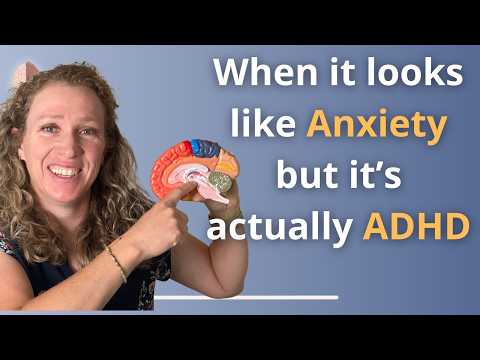
Hey you! So, let’s chat about something that’s not always easy to talk about—ADHD and anxiety. Seriously, it’s like peanut butter and jelly, right? They just kind of go hand in hand.
Este blog ofrece contenido únicamente con fines informativos, educativos y de reflexión. La información publicada no constituye consejo médico, psicológico ni psiquiátrico, y no sustituye la evaluación, el diagnóstico, el tratamiento ni la orientación individual de un profesional debidamente acreditado. Si crees que puedes estar atravesando un problema psicológico o de salud, consulta cuanto antes con un profesional certificado antes de tomar cualquier decisión importante sobre tu bienestar. No te automediques ni inicies, suspendas o modifiques medicamentos, terapias o tratamientos por tu cuenta. Aunque intentamos que la información sea útil y precisa, no garantizamos que esté completa, actualizada o que sea adecuada. El uso de este contenido es bajo tu propia responsabilidad y su lectura no crea una relación profesional, clínica ni terapéutica con el autor o con este sitio web.
You know how one day everything feels fine, and the next, your brain is running a mile a minute? That’s often how it feels when ADHD meets anxiety. It can be overwhelming.
And honestly? It affects way more people than you might think. If you or someone you know deals with this combo, you’re in good company. Let’s break it down together!
ADHD vs. Anxiety Quiz: Assess Your Symptoms and Gain Insights
Hey! So, let’s chat about a couple of tricky companions—ADHD and anxiety. Both can feel like uninvited guests in your head, making things a bit chaotic. They kind of share the same space, and it’s easy to get confused about what’s what. This confusion is why some folks think taking an ADHD vs. anxiety quiz might help them figure things out.
ADHD (Attention-Deficit/Hyperactivity Disorder) shows itself through trouble focusing, a tendency to be impulsive, or just feeling like you’re bouncing off the walls. You know? Like when you’re playing an intense video game and you jump from one thing to another without really finishing any level.
On the flip side, anxiety often brings this overwhelming sense of worry or fear that just won’t quit. Imagine you’re about to go into a big game, and instead of excitement, all you feel is that tightening in your chest and racing thoughts about what could go wrong.
- Simplicity vs Complexity: ADHD might make tasks seem overly complicated because your brain jumps around so much, while anxiety can create complexity with constant worries.
- Time Management: If you’ve got ADHD, you may lose track of time or forget deadlines altogether. Anxiety could make you stress over them nonstop!
- Sensation Seeking: Some ADHD people seek out new experiences or thrills—like racing in Mario Kart! But anxiety might make you avoid anything risky because oh no—what if something bad happens?
A lot of times, people don’t realize they might have both conditions at play. You could be fidgeting with your hands (that’s ADHD) while also anticipating the worst possible scenario for tomorrow’s meeting (hello anxiety!).
If you’re feeling overwhelmed by this combo platter of symptoms and want some clarity on where you stand, quizzes can provide some insight. They usually ask questions like:
- «Do you often find it hard to sit still?» – hinting at ADHD.
- «Do intrusive thoughts keep popping into your mind?» – leaning towards anxiety.
Your answers won’t give a diagnosis but can spark a conversation if you decide to see a professional—I mean really! Sometimes talking through your feelings with someone trained helps more than any online quiz ever could!
You know what’s interesting? Studies suggest that kids with ADHD are more likely to develop anxiety disorders as they grow up. It’s as if one condition feeds off the other—like two players teaming up against you!
If there’s one takeaway from all this chat: take quizzes for fun but use them as stepping stones toward deeper understanding. Don’t forget that they don’t replace getting proper help from professionals who can really dig into those layers and help manage symptoms effectively.
The journey through understanding yourself isn’t easy; it can feel like upgrading from one tricky game level only to find an even tougher boss waiting for you at the next! But with guidance and support? You’ve got this!
Understanding ADHD and Separation Anxiety in Adults: Key Insights and Strategies
ADHD and Separation Anxiety in Adults: Key Insights and Strategies
So, let’s chat about ADHD and separation anxiety in adults. They’re two different things, but they often overlap more than you might think. You’ve got those days when everything feels a bit too overwhelming, right? Well, here are some insights that might clear things up.
ADHD Overview
ADHD stands for Attention-Deficit/Hyperactivity Disorder. It’s basically a brain wiring issue that affects focus, self-control, and how we manage our day-to-day lives. For adults with ADHD:
- You might find it hard to concentrate on tasks.
- Impulsivity can lead to hasty decisions.
- Organization? Yeah, that can be tough sometimes.
Now add in the mix of anxiety—it’s like a double whammy.
Separation Anxiety Explained
Separation anxiety isn’t just for kids! Adults can experience it too. It often involves:
- An overwhelming fear of being away from loved ones.
- A constant worry about their safety or well-being.
- Physical symptoms like headaches or nausea when facing separation.
In fact, I have a friend who couldn’t stand being alone after a breakup. She’d freak out anytime she felt isolated. She found herself checking her phone every few minutes to feel connected.
The Overlap: ADHD and Anxiety
The tricky part is when ADHD meets anxiety. Here’s where things can get murky:
- Both conditions can cause racing thoughts.
- You may struggle with emotional regulation; one minute you’re chill, the next you’re anxious!
- This combo could make relationships tougher—they require trust and stable communication.
Imagine trying to focus on work while your brain is juggling all these what-ifs. Really distracting!
Coping Strategies
You may be thinking that managing this sounds tough, but there are ways to tackle these challenges head-on:
- Psychoeducation: Understanding both conditions helps break down misconceptions.
- Meditation: Mindfulness practices, like deep breathing or even yoga, can ease the chaos in your mind.
- Cognitive Behavioral Therapy (CBT): This approach helps reframe negative thoughts into something more manageable.
I remember playing a game called “Keep Talking and Nobody Explodes” where communication was key to win! That’s how relationships sometimes feel—constant communication can help reduce those sharp anxieties.
The Importance of Support Networks
You don’t have to navigate this road alone! Having supportive friends or even joining support groups can lighten the load significantly.
- Talk about your feelings: Sharing can create bonds and build empathy!
- Set realistic expectations: Break tasks into smaller chunks; it’s totally fine to take baby steps.
And remember: It’s always wise to talk with professionals who understand these issues deeply. They fill in gaps that self-help strategies can’t touch.
In the end, understanding how ADHD and separation anxiety intersect sheds light on strategies that really help us cope better with life’s ups and downs. So if you’re feeling overwhelmed by either—or both—reaching out for help can be your first step toward feeling better!
Understanding the Overlap Between ADHD and Anxiety: Key Insights and Implications
Hey, let’s talk about ADHD and anxiety because it’s a topic that can be super confusing but also really important to understand. Both of these conditions can play off each other in ways that make life a bit trickier. So, what’s the scoop?
ADHD, or Attention-Deficit/Hyperactivity Disorder, basically means you might struggle with attention and impulse control. On the flip side, anxiety can make you feel constantly on edge, overthinking things and worrying about what could happen. Sometimes it feels like both of these issues are running a race inside your head—who’s gonna win? Spoiler alert: it’s usually not you.
Now, here’s where things get interesting. It turns out that there’s quite a bit of overlap between ADHD and anxiety. A lot of people with ADHD experience **higher levels of anxiety**, raising questions about how they interact with each other. And that can complicate daily life in different ways.
Here are some key insights into the overlap:
- Attention Issues: When you’re anxious, focusing becomes even more challenging. Imagine trying to concentrate on homework while your brain is shouting, “What if I mess this up?” That internal chaos can make ADHD symptoms feel worse.
- Impulsivity: Impulsive behavior often seen in ADHD sometimes gets fueled by anxiety too. You might suddenly blurt something out during a meeting not just because you have trouble waiting your turn but also due to the pressure of wanting to say something before it gets too late.
- Emotional Dysregulation: People with ADHD often struggle with managing their emotions anyway—but throw anxiety into the mix and it can be even harder! Think about feeling overwhelmed over small issues; this emotional rollercoaster can lead to explosive reactions or shut-downs.
- Sensitivity: Those with both ADHD and anxiety are often more sensitive to criticism. The fear of failing or disappointing someone else looms large, leading to avoidance behaviors or withdrawal from social situations.
A quick story here: I remember this friend from school who had both conditions. There was this one time we had a group project—super typical scenario—and she kept getting anxious about presenting our ideas. You could almost see her thoughts racing! She was worried about being judged for her ideas while at the same time struggling with keeping everything organized for the presentation itself! It was hard for her because she wanted to shine but felt cornered by her own brain.
In terms of implications—basically what all this means for folks dealing with both issues—it can be important to recognize how they interact so that coping strategies might work better together. For instance:
- Coping Strategies: Finding tools that help manage both anxiety and ADHD can be super helpful; think about mindfulness exercises or organizational apps!
- Professional Help: It’s crucial to get support from professionals who understand how these two areas intersect—not all therapists know how they affect each other.
So in short, understanding how ADHD overlaps with anxiety isn’t just academic—it has real-life implications for people living through it every day. If you see yourself in any of this content—or know someone who does—reaching out for professional help is key! You’re definitely not alone in navigating these tricky waters.
And hey, if you’re curious or need further info on coping techniques that blend approaches for both conditions? Just ask away!
Alright, let’s talk about ADHD and anxiety. It’s kinda wild how these two can go hand in hand, right? If you’ve got ADHD, you might find yourself juggling a million thoughts at once. But then, toss in anxiety, and things can get even crazier.
Picture this: I remember a friend of mine, Sam. He always had that spontaneous energy and was great at brainstorming ideas on the fly—typical ADHD vibes. But when he had to present those ideas? Total meltdown! The moment the spotlight focused on him, it felt like his brain went blank. You know? That feeling of racing thoughts morphing into panic? It’s like being stuck in a hamster wheel where the pedal just won’t stop spinning.
So here’s the deal: ADHD affects your attention span and your ability to focus on tasks. At the same time, anxiety creeps in with its nagging worries about what others think or whether you’re going to mess up. Basically, it becomes this overwhelming cocktail of frustration and stress. And guess what? Many folks with ADHD also deal with anxiety disorders—almost like a two-for-one deal but definitely not one anyone wanted.
A big part of the struggle is that they can both amplify each other. When your attention drifts because of ADHD, you might feel anxious about not keeping up or not meeting expectations. Then that anxiety clouds your thinking even more! It’s exhausting just to think about it sometimes.
But here’s a nugget for you: recognizing how they overlap is crucial for finding ways to manage both. For instance, understanding that those feelings of panic or overthinking don’t mean something is wrong with you; they just mean your brain is wired uniquely. Embracing that can be liberating!
In the end, it’s all about figuring out what works for you—whether that’s therapy, medication, mindfulness techniques or even simple self-care routines that help ground you when everything feels chaotic. The ups and downs are real but so are the tools and strategies that can help make life smoother.
So if you’re navigating through this maze or know someone who is, remember: you’re not alone in feeling this way! Being open about it while seeking support makes all the difference—it really does! And hey, sometimes sharing a laugh over our quirks goes a long way too!