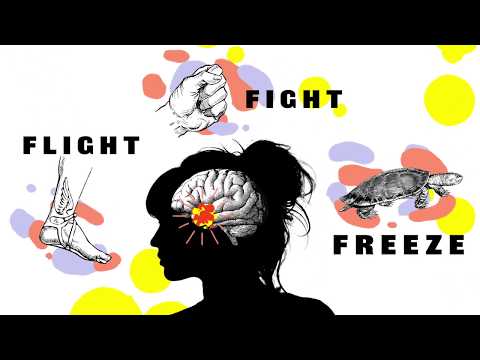
You know that feeling when your heart starts racing, and your palms get all sweaty for no good reason? Yeah, that’s what we’re talking about.
Este blog ofrece contenido únicamente con fines informativos, educativos y de reflexión. La información publicada no constituye consejo médico, psicológico ni psiquiátrico, y no sustituye la evaluación, el diagnóstico, el tratamiento ni la orientación individual de un profesional debidamente acreditado. Si crees que puedes estar atravesando un problema psicológico o de salud, consulta cuanto antes con un profesional certificado antes de tomar cualquier decisión importante sobre tu bienestar. No te automediques ni inicies, suspendas o modifiques medicamentos, terapias o tratamientos por tu cuenta. Aunque intentamos que la información sea útil y precisa, no garantizamos que esté completa, actualizada o que sea adecuada. El uso de este contenido es bajo tu propia responsabilidad y su lectura no crea una relación profesional, clínica ni terapéutica con el autor o con este sitio web.
Fight or flight anxiety is like your body’s alarm system going off at the slightest hint of danger. It can be confusing, frustrating, and honestly exhausting.
I remember a time I was just about to give a presentation. My stomach felt like it was doing backflips! It really made me question what the heck was wrong with me.
But guess what? You’re not alone in this! Lots of folks deal with this kind of anxiety, and there are ways to understand it better—and even tackle it head-on. So let’s break it down together!
Effective Strategies to Break the Fight-or-Flight Cycle and Manage Stress
Have you ever felt that sudden rush of panic when something stressful happens? You know, the kind that makes your heart race and leaves you ready to either run away or tackle the problem head-on? That’s your body kicking into the fight-or-flight response. It’s like your internal alarm system going off. But sometimes, this alarm doesn’t turn off when it should, and that can lead to all sorts of problems.
The fight-or-flight response is an evolutionary survival mechanism. It used to help our ancestors escape predators or fight off threats. Nowadays, though, it can get triggered by stressors like work pressure, relationship issues, or even a crowded subway. And when your body gets stuck in this cycle, things can get pretty overwhelming.
So how do you break free from this cycle? Here are some effective strategies:
- Deep Breathing Exercises: This is simple but super effective. Inhale deeply through your nose for a count of four, hold for four, and exhale through your mouth for a count of six. Repeat a few times to signal your body to calm down.
- Meditation: Taking just ten minutes a day to meditate can help quiet that mental chatter and reduce stress levels significantly. You don’t need to sit cross-legged on a mountain; just find a comfy spot and focus on your breath.
- Physical Activity: Get moving! Whether it’s yoga, dancing, or even just a brisk walk around the block, exercise releases endorphins which are natural mood lifters—and they help counteract stress.
- Cognitive Behavioral Techniques: Challenge those racing thoughts! Sometimes talking back to yourself helps. When you feel anxiety creeping in, ask yourself: “What evidence do I have that this is true?” It’s about putting things into perspective.
- Sensory Grounding Techniques: Notice 5 things you can see, 4 you can touch, 3 you can hear, 2 you can smell (or like if you’re outside—maybe flowers?), and 1 you can taste. This technique takes your mind away from stressors; it’s like rebooting your brain!
- Adequate Sleep: Seriously! A good night’s sleep works wonders for managing stress levels. Aim for those cozy seven to nine hours every night if possible.
I remember a time when I was overwhelmed with work deadlines and personal obligations. I felt like I was on a hamster wheel with no way off! But once I started using deep breathing techniques during my breaks—wow—it made such a difference! Eventually I found my rhythm again without feeling like everything was crashing down around me.
The key takeaway here is that while these strategies are helpful in managing stress and breaking out of the fight-or-flight cycle, they’re not substitutes for professional support where needed. If anxiety’s got its claws dug in deep—like really deep—it might be time to reach out to someone who knows their stuff!
Your mental health journey is unique; don’t hesitate to explore what works best for you! Remember: it’s totally okay to ask for help along the way.
5 Key Warning Signs of Chronic Stress and Their Psychological Impacts
Stress is one of those things we all deal with, right? But when it becomes chronic, it can really mess with your head and body. Think about a video game where the character keeps getting attacked but never gets a break; that’s like chronic stress! It’s always on, always intense, and that’s not good for you in the long run. Let’s break down some key warning signs of chronic stress and what they mean for your mental health.
1. Constant Fatigue
Feeling like you’ve run a marathon even though you haven’t moved? That could be a sign. When you’re stressed out for long periods, your body releases stress hormones like cortisol, which can leave you feeling drained. Imagine playing a game where your energy bar runs out quickly—eventually, you can’t keep going unless you recharge.
2. Irritability
If little things are setting you off more than usual—like someone chewing too loud or forgetting to put the toilet seat down—it might be worth paying attention to how stressed you’re feeling. Chronic stress can amplify your emotions and make daily annoyances feel like huge mountains to climb. It’s like in an RPG when you’re low on health and every enemy feels impossible to defeat!
3. Trouble Sleeping
You know that feeling when your mind won’t shut off at night, thinking about everything? Stress can wreak havoc on your sleep schedule. Lack of sleep only adds fuel to the anxiety fire, making everything seem worse than it is—sort of like being stuck in an endless loop level where each time it’s harder to escape.
4. Difficulty Concentrating
Ever tried doing homework while someone is blasting music? Stress does something similar: it distracts you from focusing on what’s important. You might find it harder to remember things or finish tasks because your mind is racing around instead of settling down into one thought.
5. Physical Symptoms
This can include headaches, stomachaches, or even muscle tension—you feel aches in places where you wouldn’t normally notice anything! Your body often expresses stress physically when mentally overwhelmed, just as characters take damage during battles—they need time to recover!
So here’s the deal: if any of these signs are hitting home for you, it’s seriously important to think about how you’re managing stress in your life! Don’t ignore them; they could lead to bigger psychological impacts down the road if left unchecked. Remember that if this sounds all too familiar or overwhelming, reaching out for help is totally okay—it doesn’t replace professional help but can guide you toward seeking support when needed.
In summary—pay attention to these warning signs like they’re cheat codes in a game; they tell you something important about how you’re holding up under pressure! Take care of yourself so that chronic stress doesn’t turn into a boss fight that feels impossible to win!
Understanding the Neurobiology of the Fight or Flight Response: How to Recognize and Regulate a Stuck Nervous System
The fight or flight response is basically our body’s built-in alarm system. When you’re faced with a threat, your brain goes, “Hey! We gotta do something!” and it activates this whole chain reaction. This response has helped humans survive for ages, but sometimes it gets a bit too sensitive, right? So, let’s break down what’s happening in your body and how to recognize if you’re stuck in that anxious mode.
Neurobiology 101: When danger strikes, your brain’s amygdala (that little almond-shaped part) kicks into gear. It sends signals to the hypothalamus, which then tells your body to release stress hormones like adrenaline and cortisol. These hormones get your heart racing and muscles primed for action—essentially gearing you up to either run or fight.
In a normal situation, once the threat is gone, everything chills out. But what if that doesn’t happen? Sometimes, you may feel like you’re on high alert all the time. That’s when we talk about a stuck nervous system. You know that feeling when you’re playing a game and can’t seem to pause? It’s kind of like that—your system just doesn’t reset.
Recognizing the Signs: So how do you know if you’re stuck? Here are some common signs:
- You often feel jittery or restless.
- Your heart races even when you’re not doing anything stressful.
- You find it hard to relax or focus.
- You might have trouble sleeping due to racing thoughts.
- Situations that shouldn’t really be stressful make you overly anxious.
Does this sound familiar? Well, it’s super important to pay attention!
Regulating Your Nervous System: Managing this stuck state is crucial because it can affect not just how you feel but also how you act. Here are some ideas on bringing yourself back down:
- Deep Breathing: Seriously! Taking deep breaths helps send oxygen to your brain and can calm everything down.
- Grounding Techniques: Try focusing on what’s around you—five things you see, four things you hear…you get the drift?
- Movement: Sometimes just shaking it out helps! A quick walk or stretching can do wonders.
If this seems a bit daunting or overwhelming at times, don’t sweat it! Everyone experiences moments of fight or flight; it’s human nature. But remember: you don’t have to tackle this alone. Reaching out for support from friends or professionals is always a good call.
Think of it like playing through levels in a game: sometimes you encounter tough bosses (aka stressors), but with practice and tools in hand, you’ll level up your coping skills! Just remember that while understanding these concepts is powerful, they don’t replace talking to someone who really knows their stuff if you’re feeling stuck for too long!
In the end, being aware of your body’s signals is half the battle won—and don’t underestimate the power of small changes in making a big difference!
You know, it’s kind of wild how our brains work when we feel threatened, right? I mean, seriously, have you ever had that moment when your heart starts racing, palms get all sweaty, and you suddenly want to either scream or run away? That’s what they call fight-or-flight response. It’s like your brain flips a switch to help you deal with danger. But here’s the kicker: sometimes that response gets triggered even when there’s no real threat around, and that’s when things get tricky.
I remember once in college, I had this massive anxiety about speaking in front of the class. It felt like someone tied my stomach into knots! When it was my turn to present, my heart raced like I was about to face a bear. I didn’t want to fight; I just wanted to disappear! In that moment, it was like my body screamed, “Get outta here!” even though all I had to do was share a project.
So what’s behind all this anxiety? Well, a lot goes back to our ancestors. They faced real dangers—like lions or rival tribes—so the fight-or-flight response helped them survive. Today, our threats are more about deadlines or social situations rather than life and death. But the brain doesn’t always get that memo! Stressful situations can make you feel trapped or overwhelmed, sparking that intense need to flee or fight back.
But here’s where it gets even more interesting—there are ways to calm that anxious beast inside of us! Breathing exercises can be pretty effective; they remind your body everything is okay and not everyone is out for blood. Even something as simple as counting slowly can help ground you when those anxious feelings rise up.
Talking things through can also work wonders. It gives you space to sort out those racing thoughts and maybe make sense of why you’re feeling anxious in the first place. Sometimes just sharing your fears with someone—a friend or therapist—can feel like lifting a huge weight off your shoulders.
In the end, while it might be easy for our bodies to overreact based on old instincts built for survival, we can learn how manage those feelings today. So next time you’re feeling that urge to run away from something scary (even if it’s just a big presentation), take a breath. You’ve got this; you’re stronger than your anxiety!