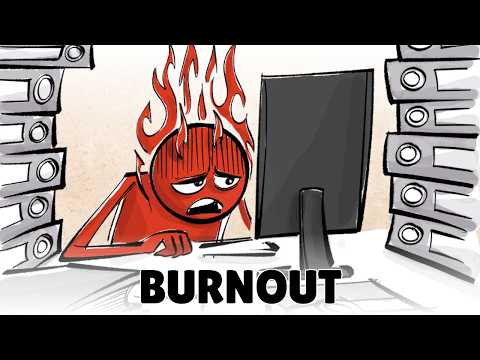
Hey, you ever feel like your brain’s running on empty? Like, you just can’t think straight or get excited about anything? Yeah, that’s mental fatigue kicking in.
Este blog ofrece contenido únicamente con fines informativos, educativos y de reflexión. La información publicada no constituye consejo médico, psicológico ni psiquiátrico, y no sustituye la evaluación, el diagnóstico, el tratamiento ni la orientación individual de un profesional debidamente acreditado. Si crees que puedes estar atravesando un problema psicológico o de salud, consulta cuanto antes con un profesional certificado antes de tomar cualquier decisión importante sobre tu bienestar. No te automediques ni inicies, suspendas o modifiques medicamentos, terapias o tratamientos por tu cuenta. Aunque intentamos que la información sea útil y precisa, no garantizamos que esté completa, actualizada o que sea adecuada. El uso de este contenido es bajo tu propia responsabilidad y su lectura no crea una relación profesional, clínica ni terapéutica con el autor o con este sitio web.
It sneaks up on you, doesn’t it? One minute you’re rocking your to-do list; the next, you’re nodding off during a Zoom call.
It’s wild how much our minds can handle until suddenly they just…don’t. Let’s take a closer look at what mental fatigue really is and how it messes with us. Who knows? You might find out some things about yourself!
Effective Strategies for Treating Mental Fatigue and Enhancing Cognitive Well-being
Mental fatigue can feel like you’re walking through mud. Your brain’s running on empty, and everything seems harder than it should be. Recognizing the symptoms is super important because they signal it’s time to take a step back and recharge. Let’s break this down.
What does mental fatigue feel like? You might experience a foggy mind, difficulty concentrating, or even physical tiredness. Sometimes, you might notice feelings of irritability creeping in or just a general sense of being overwhelmed. If you’ve ever tried to focus on a book but found your mind wandering off to the grocery list instead? Yeah, that’s mental fatigue waving at you.
Effects of mental fatigue can impact almost every part of your day. It messes with your productivity at work or school, strains relationships since you may snap over little things, and can even topple your motivation for hobbies you once loved.
Now let’s chat about strategies to tackle this situation:
- Take breaks: Seriously! It sounds simple but stepping away for even a few minutes can refresh your mind. Whether it’s going for a short walk or just switching tasks—mix it up! Give your brain space to breathe.
- Get enough sleep: Aim for those cozy 7-9 hours each night. Sleep is when our brains sort through all that information we collected during the day. So if you’re not catching those z’s? Well, your mental energy will be suffering big time.
- Meditate: This might sound all zen and stuff, but even a few minutes of focused breathing can clear up that fog. Think about it as hitting the refresh button on your brain!
- Nourish yourself: A balanced diet plays a massive role in cognitive health. Foods rich in omega-3 fatty acids—like salmon—can boost brain function while fruits and veggies keep energy steady through the day.
- Limit multitasking: Juggling tasks might seem efficient, but it actually drains mental resources faster than focusing on one thing at a time. Try starting with one task until completion before moving to the next!
- Connect with others: Sometimes just chatting with someone about how you’re feeling can lift that mental weight off your shoulders. Friends get it; they’ve been there too!
- You could try games (to some extent): Puzzles or memory games aren’t just fun; they give your brain some exercise! Just keep an eye on how much time you’re spending so it doesn’t turn into more stress.
And hey, while these strategies are helpful, they aren’t replacements for professional help when needed. If mental fatigue sticks around like an unwanted houseguest or starts interfering significantly with daily life, reaching out to a therapist could really make all the difference.
So basically? Mental fatigue is real and tackling it takes awareness and action—but small changes can lead to big improvements in how we feel mentally!
Comprehensive Guide to Mental Fatigue Testing: Understanding and Assessing Cognitive Exhaustion
Mental fatigue is more common than you might think. It’s that heavy feeling in your head when you’ve been pushing yourself too hard, whether at work, studying, or even just getting through daily life. You know what I mean? So let’s unpack this a bit and see how to recognize it.
Recognizing Mental Fatigue Symptoms
You might be wondering what symptoms scream “I’m mentally fatigued!” Well, let’s break it down a little:
- Concentration issues: You find it hard to focus on anything for more than a few minutes. It’s like trying to watch a movie with someone constantly changing the channel.
- Memory lapses: Important details seem to slip your mind. Like when you walk into a room and can’t remember what you needed there.
- Emotional changes: You feel irritable or moody without any clear reason; everything seems like a big deal.
- Physical symptoms: Headaches or general tiredness, that’s pretty much made your body feel like lead.
When you’re mentally fatigued, tasks that used to be simple can suddenly feel overwhelming—like trying to solve a puzzle while someone is shouting distractions at you.
The Effects of Mental Fatigue
Now, mental fatigue doesn’t just mess with your mood; it impacts various areas of life.
- Cognitive performance: Your decision-making skills take a hit. Think about those times when you’ve regretted saying yes to something simply because you were too tired to think clearly!
- Safety concerns: If you’re driving or operating heavy machinery while feeling mentally exhausted, it could spell trouble! Your reaction time might drop significantly.
- The quality of work drops: That creative spark? Poof! Gone. Instead, your projects may end up being subpar.
Ever played video games for way too long? Your reflexes slow down after hours on end. It’s similar with mental fatigue—your brain starts lagging behind.
Assessing Cognitive Exhaustion
So how do we assess if we’re dealing with cognitive exhaustion? Here are some methods:
- Mental fatigue scales: These are questionnaires designed specifically to measure how tired your brain feels—it can help put things into perspective.
- Cognitive tasks: Trying some simple tests can also show how well you’re functioning. For instance, recalling items from a list after five minutes might show how sharp—or dull—you are feeling.
Remember though; these assessments aren’t substitutes for professional advice. If mental fatigue starts affecting your life significantly, chatting with someone who knows their stuff in mental health could really help.
In the end, recognizing the signs of mental fatigue is super important for maintaining balance in our crazy lives. Just like any other kind of tiredness, acknowledging it plays a big role in taking care of ourselves and staying healthy—both mentally and physically! Take care of yourself out there; listen to your brain when it’s telling you it needs a break!
Understanding and Overcoming Mental Exhaustion from Work: Key Strategies for Recovery
Mental exhaustion is more common than you might think, especially with the hustle and bustle of today’s work life. You start the day ready to conquer tasks but by afternoon, your brain feels like a soggy sponge. You know that feeling? That’s mental fatigue creeping in.
Recognizing Mental Fatigue Symptoms is the first step toward reclaiming your energy. Some signs to watch out for include:
- Constant tiredness: No matter how much sleep you get, you just can’t shake that heavy feeling.
- Lack of concentration: Tasks that used to be easy now feel like solving a Rubik’s cube blindfolded.
- Irritability: Small things start to annoy you way more than they should. You might snap at coworkers over trivial stuff.
- Physical symptoms: Headaches or muscle tension can pop up, almost like your body’s way of saying “slow down!”
This mental exhaustion doesn’t just affect how you feel; it impacts your performance too. Think of it as running a video game on an old console—it’s going to lag and glitch if it can’t keep up, right? When your brain is fried, tasks take longer, mistakes happen more often, and creativity goes out the window.
So let’s talk about some key strategies for recovery—ways to help clear that mental fog:
- Take breaks: Seriously, step away from your desk! A five-minute stretch or quick walk can recharge your brain like hitting reset on a game.
- Breathe deeply: Try some deep breathing exercises. Just inhale through your nose for a count of four, hold for seven, and exhale through your mouth for eight. It’s like giving your mind a mini-vacation.
- Unplug after hours: Avoid work emails and notifications once the day’s done. Your mind needs time to recover—imagine it like powering down a gaming console; it needs rest too!
- Pursue hobbies: Engaging in activities you love can be rejuvenating! Whether it’s art or playing games with friends, let yourself unwind without any work thoughts.
Now, I get it—sometimes life piles on too many responsibilities. If you’re feeling overwhelmed regularly? That might mean it’s time to chat with someone who can help guide you through those tough times—like a therapist or counselor.
Overall, recognizing mental fatigue is crucial for keeping yourself balanced and healthy. Taking action when those symptoms pop up makes all the difference in staying energized and ready to face whatever comes at you next!
You know, mental fatigue can sneak up on you like that friend who always shows up uninvited. One minute everything’s fine, and the next, you’re feeling drained and overwhelmed. It’s not just about being tired; it’s more like your brain is running a marathon – and it didn’t train for it.
I remember a time when I was juggling work deadlines, personal commitments, and trying to keep up with my hobbies. One afternoon, I found myself staring blankly at my screen. Seriously, nothing was making sense anymore. My concentration felt like it was on vacation. It hit me—I was mentally fatigued. Little things were getting to me—irritability kicked in, my motivation plummeted and even simple decisions felt impossible.
So what are the signs? First off, you might notice that your brain feels foggy or cloudy—not great for anyone trying to focus! You could be struggling with memory too, like forgetting where you left your keys or what you just had for breakfast (hey, we’ve all been there). And oh man, that overwhelming sense of dread about tasks; even the things you usually enjoy start feeling like chores.
It’s not just about feeling run-down either. Mental fatigue can seriously affect our relationships too. When you’re exhausted mentally, it’s super easy to snap at friends or family over little things—or worse yet—just withdraw from social situations altogether because the thought of interacting feels way too heavy.
And let’s not forget physical symptoms! Sometimes mental fatigue shows up as headaches or tension in your shoulders—it’s like your body is saying «Hey! We need a break!» Honestly though? It can feel frustrating when all you want is to be productive but your brain seems stuck in a traffic jam.
To better manage this kind of fatigue? Taking regular breaks matters—like getting outside for some fresh air or finding a moment for mindfulness can work wonders. Give yourself permission to take things slow; listen to your body and mind because they’re trying to tell you something important.
Anyway, being aware of these symptoms means you’re one step closer to tackling them head-on before they become a bigger issue. So next time you’re feeling worn out mentally? Just take a second to recognize what’s happening—and don’t hesitate to kick back and recharge when you need it!