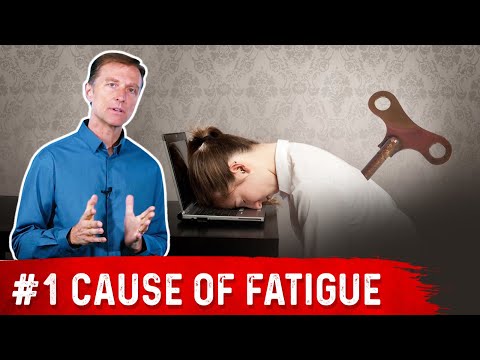
So, you ever feel like you’re walking through mud all day? Seriously. You wake up tired, and it just doesn’t seem to get better.
Este blog ofrece contenido únicamente con fines informativos, educativos y de reflexión. La información publicada no constituye consejo médico, psicológico ni psiquiátrico, y no sustituye la evaluación, el diagnóstico, el tratamiento ni la orientación individual de un profesional debidamente acreditado. Si crees que puedes estar atravesando un problema psicológico o de salud, consulta cuanto antes con un profesional certificado antes de tomar cualquier decisión importante sobre tu bienestar. No te automediques ni inicies, suspendas o modifiques medicamentos, terapias o tratamientos por tu cuenta. Aunque intentamos que la información sea útil y precisa, no garantizamos que esté completa, actualizada o que sea adecuada. El uso de este contenido es bajo tu propia responsabilidad y su lectura no crea una relación profesional, clínica ni terapéutica con el autor o con este sitio web.
That heavy feeling hangs around, turning everything into a slog. Your brain’s in slow-mo, and you can’t seem to shake it off.
And what’s the deal with that? Fatigue isn’t just about needing more sleep—there’s a lot more going on underneath the surface.
Let’s take a look at this together, yeah? You’re not alone in this struggle; loads of people feel the same way. So grab a comfy seat and let’s chat about recognizing and managing that pesky fatigue!
Understanding Female Fatigue: Common Causes of Tiredness and Low Energy
Feeling tired all the time? You’re not alone. Female fatigue is a common issue that affects many women, and it can stem from a variety of factors. Let’s unpack some of the usual suspects behind that overwhelming feeling of exhaustion.
- Hormonal changes: Fluctuations in hormones can seriously impact energy levels. Think about the changes that happen during your menstrual cycle or even during pregnancy or menopause. It’s like playing a video game where the rules change every level!
- Lack of sleep: This one might seem obvious, but it can’t be stressed enough. If you’re not getting enough sleep, your body just can’t recharge properly. Have you ever stayed up late binge-watching your favorite show? The next day feels like you’ve been hit by a truck.
- Stress: Oh man, stress is like that annoying enemy in a strategy game that just keeps coming back! Juggling work, family, and social obligations can leave you feeling drained. Sometimes it’s not just what you’ve done but also how many things are lurking in your mind.
- Poor diet: What you eat has a huge role in how energized you feel. If your meals are heavy on junk food, your body might be running on empty. Ever tried to run a race after eating nothing but chips? Not pretty!
- Lack of exercise: This might sound counterintuitive—but being active actually boosts energy levels! It’s like leveling up in life; the more you move around, the more energy you get. Sitting for too long can make that fatigue worse.
- Medical conditions: Sometimes fatigue is linked to underlying health issues, such as anemia or thyroid problems. If you’re feeling unusually tired despite sleeping well and eating right, it might be worth chatting with a healthcare professional about it!
A while back, I had this friend who was constantly tired—no matter how much coffee she drank! After talking through everything with her, she realized her diet was mostly made up of quick snacks and takeout. Once she swapped some of those meals for healthier options, she saw such a big boost in her energy levels! It was amazing how something so simple could change everything.
You know what else? It’s totally normal to experience fluctuating energy levels throughout life stages or changes—don’t beat yourself up over it! Just remember that there are ways to tackle this fatigue head-on without replacing professional help when necessary.
If you’re dealing with chronic fatigue or if it’s impacting your daily life significantly, reaching out to someone—like a doctor—is super important. They can help rule out any serious concerns and work with you on finding solutions.
All in all, understanding female fatigue means recognizing those common causes and addressing them one step at a time. You got this!
Effective Strategies to Quickly Overcome Fatigue and Boost Your Energy
So, you’re feeling tired all the time, huh? Maybe it’s that cozy couch calling your name a bit too often. Fatigue can be a real energy thief. But, don’t worry! There are some practical ways you can tackle this and recharge your batteries.
First off, **recognizing fatigue** is key. Fatigue isn’t just being sleepy; it can zap your motivation and focus, too. You know the feeling—you’re staring at a game screen but your brain just won’t engage. You might wonder if it’s just lack of sleep or maybe something else.
Let’s break down some effective strategies to help you bounce back:
- Prioritize Sleep: It’s not just about hitting the pillow; it’s about quality too! Aim for 7-9 hours of good sleep each night. Create a calming bedtime routine—maybe read or listen to relaxing music.
- Hydrate: Seriously, water is your best friend. Dehydration can make you feel sluggish and foggy. Try to sip some water throughout the day like you would during an intense gaming session.
- Move Around: Ever noticed how playing games for long stretches kind of drains you? Taking short breaks to stretch or walk around really helps shake off that fatigue. A quick five-minute dance break? Totally worth it!
- Nourish Your Body: Eating well fuels your energy levels. Incorporate whole foods—think fruits, veggies, and lean proteins—into your meals. It’s like upgrading your character with powerful gear!
- Take Breaks Wisely: Just like in a game when you need to recharge after intense battles, schedule short breaks during tasks to refresh yourself mentally and physically.
- Meditate or Deep Breathe: Both meditation and deep breathing exercises can clear your mind and reduce stress levels—it’s like hitting reset on a tough level.
Okay, but what if you’re trying all this and still feel wiped out? That’s where it’s important to pay attention to what’s going on with you mentally and physically. Sometimes fatigue signals something deeper that professional help might be needed.
So let me throw in a personal story: One time I was sooo exhausted after weeks of late nights studying and cramming for exams. I tried everything from power naps to energy drinks but nothing worked! Eventually, I realized I hadn’t been eating properly or sleeping enough—and my mental game was suffering too! The moment I shifted those habits, everything changed.
In the end, tackling fatigue is all about understanding what wears you out personally—paying attention to those signs is crucial! The goal here isn’t just surviving the day but thriving through it with more balance and energy!
Always remember though: if fatigue persists despite making changes in lifestyle or impacts daily life significantly, reaching out for professional support is totally okay and super important!
Recognizing Over Fatigue Symptoms: Understanding the Impact on Mental and Physical Well-Being
Feeling exhausted? Yeah, we’ve all been there, right? Fatigue can sneak up on you, and it’s not just about being sleepy. It can mess with your mental and physical well-being in ways you might not even realize. Let’s break down how to recognize those fatigue symptoms and what they could mean for you.
First off, let’s talk about what fatigue looks like. Maybe you’re dragging yourself out of bed or struggling to concentrate on tasks. Here are some common signs:
- Physical Exhaustion: You feel like you’ve run a marathon, even if all you did was binge-watch a show.
- Mental Fatigue: Your brain feels foggy. Tasks that usually take you five minutes are now feeling like a chore.
- Irritability: You might snap at your friends or family over small things – the way your dog chewed up your favorite shoe, for example.
- Sleep Issues: Either you’re sleeping too much or struggling to catch those Z’s at all.
- Lack of Motivation: Activities that used to excite you just don’t seem worth it anymore. Like that game you’ve played a million times suddenly becomes boring.
You know what? Fatigue doesn’t just zap your energy; it can also affect your mood and overall outlook on life! Think about it: when you’re tired, everything feels more challenging. You might find yourself caught in this vicious cycle where fatigue leads to stress, making the fatigue even worse!
A little story here: I remember a time when I was juggling work and school. I thought I was handling everything fine until my friends started pointing out how irritable I was becoming. It hit me then that my “normal” wasn’t really normal—it was exhaustion creeping in! Once I recognized it, things got better pretty quickly after taking some time for myself.
If you’re nodding along with any of these symptoms, don’t worry! There are ways to manage this fatigue before it takes over completely:
- Rest is Key: It sounds simple but give yourself permission to actually take breaks—seriously!
- Regular Sleep Schedule: Try going to bed and waking up at the same time each day—your body will thank you.
- Nourish Yourself: Eating healthy foods instead of junk can boost your energy levels. Think of snacks like almonds or fruit instead of chips.
- Stay Hydrated: Water is essential! Sometimes we confuse thirst with tiredness.
The thing is, if fatigue keeps popping up despite trying these tips, reach out for help—like talking to a healthcare provider or someone who can guide you better through this
.
Total side note: video games can actually be helpful too! They offer an escape but make sure not to use them as an alternative for proper rest; balance is everything!
If this resonates with you or someone close by, remember recognizing those signs is the first step towards feeling better—and managing fatigue effectively is definitely doable!
You know that feeling when you wake up and it feels like you’ve run a marathon in your sleep? Ugh, I get it. Seriously, fatigue is one heck of a beast. It’s not just about being tired after a long day at work or pulling an all-nighter; it’s that deep, overwhelming sense of exhaustion that seems to linger no matter how much sleep you get.
I remember a time when I was juggling work, studies, and social commitments—kind of like someone trying to balance plates while riding a unicycle. One night, I was so wiped out that even my favorite TV show couldn’t keep my eyelids from staging their own little rebellion. It’s like my body was saying, “Hey! You need to chill out!” But I just kept pushing through. Sound familiar?
Fatigue can mess with your mind and body in ways we might overlook. For many people, it’s about more than just needing some Z’s—it can affect mood, concentration, and even relationships. You may feel cranky or irritable without really understanding why. Ever had one of those days where the simplest tasks felt like climbing Mount Everest? Yeah.
So what can we do about it? First off, recognizing that you’re exhausted is a big deal! It’s not a sign of weakness; it’s being human. Acknowledging it is the first step towards doing something about it.
Next up: managing fatigue doesn’t always mean hitting the sack early (although sometimes that’s precisely what you need!). Sometimes it’s about finding the right balance. Are you giving yourself enough downtime? Maybe try swapping out an hour of screen time for some fresh air or meditation instead. Little changes can add up!
Also, don’t shy away from talking to someone if that fatigue feels too heavy to lift alone. Sometimes sharing how you feel creates relief—even if it’s just venting to a friend over coffee (or tea). Just knowing someone gets it can lighten the load.
At the end of the day, we all face that nagging tiredness from time to time. The important thing is remembering that you’re not alone in this struggle and finding ways to recharge—not only your batteries but also your spirit! So take care of yourself; you’ve got this!