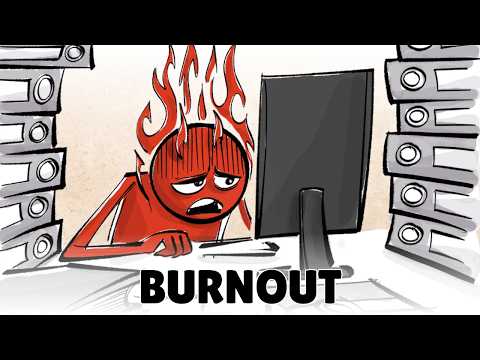
So, you know that feeling when you’re just completely wiped out? Like, emotionally, physically, every-ally? Yeah, that’s burnout. It doesn’t just sneak up on you; it crashes in like an uninvited guest at a party.
Este blog ofrece contenido únicamente con fines informativos, educativos y de reflexión. La información publicada no constituye consejo médico, psicológico ni psiquiátrico, y no sustituye la evaluación, el diagnóstico, el tratamiento ni la orientación individual de un profesional debidamente acreditado. Si crees que puedes estar atravesando un problema psicológico o de salud, consulta cuanto antes con un profesional certificado antes de tomar cualquier decisión importante sobre tu bienestar. No te automediques ni inicies, suspendas o modifiques medicamentos, terapias o tratamientos por tu cuenta. Aunque intentamos que la información sea útil y precisa, no garantizamos que esté completa, actualizada o que sea adecuada. El uso de este contenido es bajo tu propia responsabilidad y su lectura no crea una relación profesional, clínica ni terapéutica con el autor o con este sitio web.
You might be thinking, “What the heck is causing this?” Well, if you’ve been in the healthcare field or really any high-pressure job lately, you’re probably nodding along. The demands can feel endless, right?
But it’s not all doom and gloom! There are ways to tackle this stuff head-on. Seriously, let’s break it down together—causes and solutions alike—so we can get back to feeling our best!
7 Practical Tips to Prevent Staff Burnout in Healthcare Settings
Alright, let’s get into the nitty-gritty of preventing staff burnout in healthcare settings. Burnout is a real beast, especially when you’re dealing with such high-pressure jobs. I mean, think about it: long hours, emotional demands, and constant stress can wear anyone down.
If you’re in a healthcare setting or know someone who is, here are seven practical tips that can really make a difference. They’re all about creating an environment where people feel supported and valued.
- Encourage Open Communication: It’s super important to create a space where team members feel safe sharing their feelings. Regular check-ins can help! For instance, think of it as a game where everyone gets to voice their thoughts without judgment.
- Promote Work-Life Balance: Encourage staff to take breaks and use their vacation days. Remind them that recharging is not just okay; it’s vital! It’s similar to how you recharge your phone; without that, it just doesn’t work right.
- Provide Training on Stress Management: Offering resources like workshops on mindfulness or stress relief techniques can be game-changers. Something simple like guided meditation can help reset the mind and reduce anxiety.
- Create Strong Support Networks: Building peer support groups within the workplace helps foster camaraderie. When folks know they have back-up during tough shifts or stressful situations, it makes everything feel less overwhelming.
- Acknowledge and Reward Efforts: Recognition goes a long way. Celebrating small wins—even little things—can uplift spirits. It’s like giving someone an extra life in a video game; suddenly everything feels more manageable!
- Foster Professional Development: Make sure your staff have opportunities for growth. Whether it’s learning new skills or taking on different responsibilities, feeling challenged in positive ways can reignite passion for their work.
- Pace Workloads Appropriately: This might sound basic but ensuring that workloads don’t go overboard is crucial. Assessing each person’s capacity helps keep stress levels down. After all, nobody wants to feel like they’re trapped in an endless level of a tough game!
The thing is, burnout isn’t just about working too hard; it also stems from feeling undervalued and unsupported. These tips aren’t a one-size-fits-all solution but starting points for fostering better environments within healthcare settings.
If you or someone you know is experiencing severe signs of burnout—like overwhelming exhaustion or feelings of helplessness—reaching out for professional help should be the next step! Having expert guidance really does make a difference.
So there you go! Those are some solid strategies to combat burnout among healthcare staff while promoting a healthier workplace vibe overall!
Effective Solutions for Addressing Healthcare Worker Burnout: Strategies and Support Systems
Burnout among healthcare workers is a real issue. It’s not just about being tired; it’s about feeling emotionally drained and disconnected from your job. Imagine playing a video game and running out of lives before you can finish the level. That’s kind of what burnout feels like. You hit that wall and suddenly, it’s hard to keep going.
So, what causes this burnout? A few culprits are:
- Long Hours: Many healthcare workers face demanding schedules with little downtime.
- Emotional Labor: Dealing with patients’ suffering can be mentally exhausting.
- Lack of Resources: Insufficient staff or equipment puts extra pressure on everyone.
- Poor Work-Life Balance: When work creeps into personal time, it leads to frustration.
You see, burned-out workers often experience feelings of inadequacy, which is just heartbreaking. Remember when you tried to complete that challenging game level but kept failing? It just felt impossible. That’s like how healthcare workers feel sometimes—they think they’re not good enough.
But here’s the kicker: there are effective strategies and support systems to help tackle this issue! Here are some that can make a difference:
- Encourage Open Communication: Create safe spaces for workers to voice concerns without judgment. It’s like sharing tips with friends in a gaming community!
- Promote Self-Care: Simple acts like taking breaks or practicing mindfulness can recharge someone’s batteries—just like picking up health packs in games.
- Select Flexible Scheduling: Allowing for shifts that cater to individual needs can lessen stress and improve balance.
- Provide Access to Counseling Services: Support from mental health professionals can offer valuable tools for coping—like getting cheat codes for tough levels!
- Create Teams for Support: Encouraging teamwork fosters connections; think of it as forming alliances in multiplayer games where you lean on each other.
An important point is training managers and leaders on recognizing the signs of burnout within their teams. It helps if they’re equipped to support employees instead of just running the show. Awareness is key; after all, no one wants their favorite game character taken out because no one noticed they were about to get hit!
The aim is not just addressing burnout but also preventing it before it becomes a bigger issue. Just like how gamers check their inventory before heading into battle, healthcare systems should regularly assess worker satisfaction and mental wellness as part of their routine checks.
If there’s someone reading this who might be feeling overwhelmed, remember: reaching out for help is super important! Talk to someone you trust or seek professional guidance if things feel too heavy. You’re not alone in this fight; many people care and want you to succeed!
I hope this gives insight into addressing clinical burnout effectively—because everyone deserves support when they need it most!
Identifying Signs of Burnout in Healthcare Workers: Key Indicators and Impacts
Burnout is a real challenge, especially for healthcare workers. It’s like being a character in a video game that just keeps throwing obstacles at you until your energy bar runs out. You know how it feels when you’ve been playing for too long, and your character isn’t responding? That’s what burnout can feel like in real life.
So, what exactly is burnout? Well, it’s a state of emotional, physical, and mental exhaustion caused by prolonged stress. It’s not just feeling tired after a long shift; it’s like you’re stuck in a game where everything seems too hard, and getting through the levels feels impossible.
Here are some signs of burnout that healthcare workers should watch out for:
- Emotional exhaustion: Feeling drained or overwhelmed all the time. You might find yourself saying «I can’t do this anymore» more often than before.
- Reduced performance: Tasks that used to take you no time at all suddenly feel like climbing Mount Everest. Your focus might wane, making mistakes more likely.
- Cynicism: Feeling detached from your job? Maybe you laugh less during interactions with patients or don’t connect with your colleagues as much. It’s like adopting a «whatever» attitude toward the work you used to love.
- Physical symptoms: Headaches, stomach issues, or general fatigue can crop up. Your body is basically screaming at you that something’s off!
- Sense of ineffectiveness: You might start feeling like nothing you do makes a difference anymore—like you’re just going through the motions.
I remember talking to a friend who worked as an ER nurse. She loved her job but eventually felt really burned out after months of dealing with back-to-back shifts and emotional rollercoasters from patients’ situations. It wasn’t until she started crying over small things that she realized she needed some serious time off to recharge.
The impacts of burnout extend beyond just the individual experiencing it. Seriously! It can ripple through a whole healthcare team:
- Poor patient care: A burned-out worker may not be able to provide the best care possible.
- Increased turnover rate: When people feel overwhelmed and burnt out, they often leave their jobs, leading to staffing shortages.
- Coworker tension: Burned-out individuals can create an environment where communication struggles and negativity thrive—like trying to pass secret messages in Among Us only to have someone blow it all up!
If any of this sounds familiar, it’s important to take action before things spiral further downwards. Talk about your feelings with someone close—you know, share those thoughts instead of keeping them locked away.
This doesn’t replace professional help, though! If you’re feeling overwhelmed by burnout or think someone else might be nearing their breaking point—reach out for support from mental health professionals who specialize in these issues!
You’re not alone in this struggle! Recognizing these signs can be the first step towards getting back on track and finding joy in your work again. Remember: even game characters get power-ups; sometimes we just need our own kind of boost!
Burnout. It’s this heavy word that feels like a weight on your shoulders, isn’t it? I mean, we all have those days when you just can’t muster up the energy to keep going. But when it becomes a chronic feeling, especially in clinical settings like hospitals or therapy offices, that’s a whole different ballgame.
I remember chatting with my friend Jess, who works as a nurse. She told me about those nights when she’d finish her shift feeling completely drained, like she just ran a marathon. She loves her job but sometimes the endless demands and emotional strain leave her feeling empty. It got me thinking about what really causes this burnout and how we can tackle it.
So let’s break this down a bit, shall we? First off, clinical burnout often creeps in from overwhelming workloads. When there are too many patients and not enough staff, you can imagine the pressure increases like crazy. You feel pulled in all directions, juggling tasks while trying to provide care quality – it’s no wonder so many people experience burnout!
Then there’s the emotional toll of working closely with people who are often suffering. It’s tough! You want to give your all, but carrying that kind of emotional weight day after day? Yeah, it gets heavy fast. You might even find yourself becoming cynical or feeling detached from your work; that’s when you know something needs to change.
Now for the solutions part—this is crucial! Creating an environment where self-care is practiced is key. Seriously! Organizations should foster a culture where taking breaks isn’t just allowed but encouraged. Simple things like scheduled downtime or even mindfulness sessions can make a world of difference.
Also important is peer support—talking with colleagues about your experiences can be incredibly healing. Jess mentioned how venting over coffee with her co-workers helps lighten that load a little bit. Having someone who gets it really matters!
And don’t forget about individual strategies too! Stuff like setting personal boundaries and finding joy outside of work can bring balance back into life. Connecting with hobbies or spending time in nature? Those little moments rejuvenate us more than we realize.
At the end of the day, addressing burnout means being proactive instead of reactive; it’s about caring for ourselves as much as we care for others in our professions. If you’re feeling stretched thin right now? Just know you’re not alone—it’s okay to feel this way sometimes; what matters is taking steps to change it! So here’s hoping more workplaces start prioritizing mental health so everyone can thrive—not just survive!