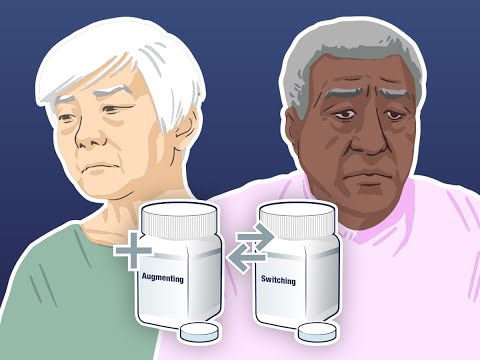
Hey, you know what? When we think about depression, we often picture it affecting younger folks, right? But let’s be real: it can hit anyone, at any age. Geriatric depression is a huge deal and it doesn’t always get the attention it deserves.
Este blog ofrece contenido únicamente con fines informativos, educativos y de reflexión. La información publicada no constituye consejo médico, psicológico ni psiquiátrico, y no sustituye la evaluación, el diagnóstico, el tratamiento ni la orientación individual de un profesional debidamente acreditado. Si crees que puedes estar atravesando un problema psicológico o de salud, consulta cuanto antes con un profesional certificado antes de tomar cualquier decisión importante sobre tu bienestar. No te automediques ni inicies, suspendas o modifiques medicamentos, terapias o tratamientos por tu cuenta. Aunque intentamos que la información sea útil y precisa, no garantizamos que esté completa, actualizada o que sea adecuada. El uso de este contenido es bajo tu propia responsabilidad y su lectura no crea una relación profesional, clínica ni terapéutica con el autor o con este sitio web.
Imagine your grandparent feeling down and not being quite themselves anymore. It’s tough to see that. There are a lot of reasons why older adults might struggle with their mental health. Sometimes it’s just life weighing them down.
But here’s the thing: recognizing the symptoms can really make a difference. And understanding what can help is super important too! So, let’s chat about this topic—symptoms, causes, and some treatment options that can really help. Sound good?
Effective Treatments for Depression in Older Adults: A Comprehensive Guide
Depression in older adults is real, and it can often be overlooked. But here’s the thing: it’s crucial to address it. Let’s break this down into what you need to know, including symptoms, possible causes, and a few treatment options that could really help.
Symptoms of Geriatric Depression
So, you might be wondering how to spot depression in older folks. It can look a bit different compared to younger people. Here are some signs:
- Persistent sadness: Feeling down most of the time.
- Loss of interest: Not enjoying things you used to love, like gardening or playing cards.
- Changes in appetite or weight: Eating too much or too little—both can signal trouble.
- Sleep issues: Trouble falling asleep or waking up too early.
- Fatigue: Feeling tired even after resting.
- Feelings of worthlessness: Thoughts like “I’m a burden” can creep in.
It’s so important to pay attention to these signs. A good friend once told me about her grandmother who loved knitting but stopped after her husband passed away. She barely smiled anymore and just seemed… lost. That shift was alarming for the family.
Causes of Depression in Older Adults
Now let’s talk about what might cause depression among seniors. It’s often a mix of things:
- Loss and grief: Losing loved ones is tough, and the emotional weight is heavy.
- Chronic illnesses: Conditions like diabetes or heart disease can contribute to feelings of sadness.
- Social isolation: When friends move away or pass on, loneliness can set in.
- Cognitive decline: Dealing with memory issues can lead to frustration and sadness.
You see? The factors are layered and complex, making it even more important to recognize when someone might need help.
Treatment Options for Depression in Older Adults
Alright, so how do we tackle this? Here are some effective treatment options:
- Therapy: Talking things out with a therapist is super helpful. Cognitive Behavioral Therapy (CBT) helps reframe negative thoughts into positive ones.
- Meds: Antidepressants may be prescribed by a doctor after evaluating individual needs. Remember that finding the right medication can take time!
- Lifestyle changes: Regular exercise, balanced diets, and staying socially active make a big difference! Getting out for walks with friends or joining community events boosts mood significantly!
- Meditation and mindfulness: These practices promote calmness and self-awareness which are hugely beneficial. Even simple breathing exercises can help ease anxiety!
- ><bot/>Games like puzzles or card games not only provide entertainment but also keep the mind engaged! They encourage socialization too!
- ><bot/>Games like puzzles or card games not only provide entertainment but also keep the mind engaged! They encourage socialization too!
In the end, getting support from family members also plays an essential role! Those small efforts—like regular check-ins over coffee—can mean everything.
It’s vital to remember: if you or someone you know seems to be struggling with depression, reaching out for professional help should always be the first step. There’s no shame in seeking assistance when needed; we’re all human after all!
Effective Treatment Options for Depression in the Elderly: A Comprehensive Guide
Depression in the elderly can be a pretty heavy topic, but it’s super important to understand. Let’s break it down into bite-sized pieces, yeah? First off, what does depression look like in older adults? It might be different than you think.
Symptoms of depression in older folks often include:
- Persistent sadness or feeling empty.
- Loss of interest in activities they once loved.
- Changes in sleep patterns—either sleeping too much or not enough.
- Weight loss or gain not related to dieting.
- Feelings of worthlessness or excessive guilt.
- Difficulties concentrating or making decisions.
It’s interesting how some might think that sadness is just part of aging. But, actually, this isn’t true! Depression is a real medical condition, and it’s okay to seek help.
Now let’s chat about causes. There are quite a few factors that could contribute to depression in the elderly:
- Losing loved ones can hit hard. Grief doesn’t always fade quickly.
- Chronic illnesses can bring on feelings of helplessness.
- Social isolation might come from retirement or mobility issues.
- Certain medications can have side effects that lead to depressive symptoms.
It reminds me of my grandma. After losing her best friend, she started to seem distant and detached from everything around her. She really loved gardening, but one day she told me it just didn’t matter anymore. That hit hard.
So let’s look at some effective treatment options. There are several paths one could take when treating depression in older adults:
- Therapy: Talk therapy is often effective! Cognitive Behavioral Therapy (CBT) helps people recognize negative thinking patterns and change them into positive ones. Sometimes just talking things out with someone can help lighten the emotional load!
- Medication: Antidepressants are commonly prescribed. SSRIs (Selective Serotonin Reuptake Inhibitors) like sertraline are among the most used because they tend to have fewer side effects than older meds. But remember, medication should always be managed by a healthcare professional!
- Lifestyle Changes: Simple changes like regular exercise can make a big difference—think walking more or even gardening! Eating well and staying socially connected help too. Engaging with others through community activities can be uplifting!
- Mental Stimulation: Activities that keep the brain busy can also help combat depression! Games like puzzles or engaging hobbies stimulate cognitive function and act as natural mood lifters!
It’s essential to remember that these treatments don’t replace professional help; they’re part of a broader strategy! And while some people respond better to medications, others find therapy to be their saving grace.
In the end, knowing how to support our elderly friends and family members dealing with depression is crucial. Don’t hesitate—talk about feelings openly and encourage seeking help if needed! You never know whose life you might impact for the better by just being there for them.
The Most Common Causes of Depression in Older Adults: Understanding the Key Factors
Feeling down sometimes is a part of life, but when that sadness stretches out for weeks or months, it might tip into something a bit more serious, like depression. For older adults, depression is a common issue, but the causes can be unique compared to younger folks. Let’s break down some of the most common causes of depression among older adults.
- Health Problems: Chronic illnesses like diabetes, heart disease, or arthritis can wear you down. Imagine splitting your time between doctor’s appointments and medication. It’s exhausting! These ongoing health issues can lead to feelings of helplessness or frustration.
- Loss and Grief: Losing cherished loved ones stings deeply. Whether it’s a partner or close friend, the emotional toll can be heavy. I remember my neighbor lost her husband after 50 years together; she often spoke about how empty her house felt without him.
- Social Isolation: As people age, their social circles might shrink due to moving away from family or losing friends. Anyone who’s played a multiplayer game knows how much fun it is to team up with friends! Now imagine playing solo all the time; it can get pretty lonely and dark.
- Major Life Changes: Retirement can feel like freedom when you first step away from work. But then what? Some folks struggle with identity after leaving behind their careers. That transition can make them feel lost or unproductive.
- Cognitive Decline: Conditions like Alzheimer’s disease or dementia might impair thinking and memory function. Imagine realizing your mind isn’t as sharp as it used to be – that feeling alone can bring on sadness and anxiety.
- Chemical Changes in the Brain: Sometimes it’s not just about what’s happening around you; it’s also about what’s going on inside your noggin! Imbalances in brain chemicals that regulate mood, like serotonin and dopamine, can contribute to feelings of depression.
The symptoms of depression in older adults might look different too—sometimes they show up as irritability rather than sadness. Some people might even experience physical symptoms like aches and pains without clear reasons—crazy huh? That’s because our minds and bodies are super connected!
If any of this resonates with you or someone you know, remember that there are various treatment options available—from therapy to medication—and it’s okay to reach out for help! Just chatting with someone who gets it can really lighten the load.
Although I’m sharing this information here, please know it doesn’t replace professional help if you or someone else needs support. Understanding what’s going on mentally and emotionally is a big step toward healing!
You know, it’s kind of a tough subject to dive into, but let’s talk about geriatric depression. I mean, we all age, and honestly, that process can come with its fair share of emotional challenges. It’s not just about turning a certain number; it’s about life changes that often hit pretty hard.
So, picture this: you’ve just retired after decades of working hard. Suddenly, you find yourself alone more often than not. Your kids are grown and maybe living far away. You might start feeling like a ghost in your own home. That sense of isolation? Yeah, it can really creep in.
Symptoms of depression in older folks can sometimes look different than what we usually expect. We’re talking fatigue that feels like carrying a heavy backpack everywhere you go, loss of interest in hobbies you once loved (like gardening or knitting), and sometimes even physical aches that don’t seem to have a clear cause. You know how they say misery loves company? Well, sometimes depression sneaks in and throws away the company along with joy!
Now, let’s not forget the causes. Aging brings along some tough stuff—health issues, loss of loved ones, or maybe struggling with changes to independence (and that one hits hard). It can be overwhelming! When these feelings pile up without being addressed, things can get really tough for someone who’s trying their best just to navigate everyday life.
For treatment options—well, there are ways to tackle this! Therapy is like having a personal cheerleader who listens without judgment. Talking things out with someone trained to help can make all the difference. Then there are medications too; they aren’t uncommon for those dealing with depression at any age but might be especially helpful for seniors struggling with the emotional burden.
But wait—what I find so vital here is the community aspect! Keeping connections alive is huge! Whether it’s getting involved with local activities or simply staying in touch with family through video calls or even good old letters—it helps so much against that isolation monster.
In the end though? Just like anyone else facing similar hurdles at different life stages, older adults deserve compassion and understanding when dealing with mental health challenges. It’s all part of the human experience—navigating through joys and struggles alike—and isn’t it comforting to know we’re all in it together?