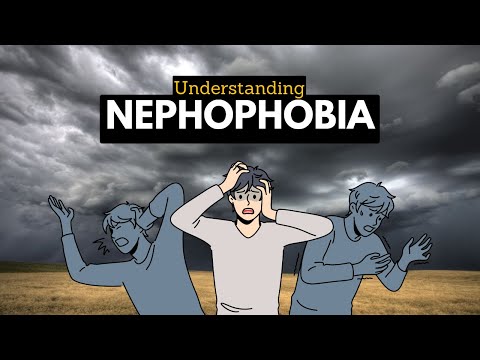
Hey, you know clouds? Those fluffy things that float around up there? Well, believe it or not, some people seriously freak out at the thought of them. It’s called nephophobia. Sounds kinda wild, right?
Este blog ofrece contenido únicamente con fines informativos, educativos y de reflexión. La información publicada no constituye consejo médico, psicológico ni psiquiátrico, y no sustituye la evaluación, el diagnóstico, el tratamiento ni la orientación individual de un profesional debidamente acreditado. Si crees que puedes estar atravesando un problema psicológico o de salud, consulta cuanto antes con un profesional certificado antes de tomar cualquier decisión importante sobre tu bienestar. No te automediques ni inicies, suspendas o modifiques medicamentos, terapias o tratamientos por tu cuenta. Aunque intentamos que la información sea útil y precisa, no garantizamos que esté completa, actualizada o que sea adecuada. El uso de este contenido es bajo tu propia responsabilidad y su lectura no crea una relación profesional, clínica ni terapéutica con el autor o con este sitio web.
Imagine walking outside on a perfectly sunny day and then suddenly feeling that knot in your stomach when you spot those ominous gray clouds creeping in. Yup, that’s nephophobia in action.
It’s more common than you’d think! So why do some folks get so worked up about something as ordinary as clouds? Let’s sort through the haze and see what’s behind this fear. You with me?
Understanding Nephophobia: The Fear of Clouds and Its Psychological Impact
So, let’s chat about nephophobia. You might be wondering, “What on earth is that?” Well, it’s basically the fear of clouds. Yep, you heard that right! Just picture someone looking up and feeling a jolt of panic at the sight of fluffy cumulus clouds or dark stormy ones rolling in. It might seem odd to some people, but fears can really take strange forms.
Nephophobia can stem from various experiences. Sometimes, it’s triggered by a childhood memory like being caught in a thunderstorm and feeling overwhelmed by dark clouds. I had this friend who used to freak out whenever he saw storm clouds; he once got so scared during a game of soccer that he ran off the field when it got cloudy! It wasn’t funny then, but we all laugh about it now.
People with nephophobia may experience symptoms such as:
- Increased heart rate
- Panic attacks
- Nausea
- Difficulty breathing
- A strong desire to escape or hide from the situation
Picture yourself walking outside on a sunny day and suddenly seeing fluffy clouds turn dark—your mind races, your heart pounds, and all you want to do is find shelter. That’s nephophobia kicking in! Even if the threat isn’t immediate, the body reacts as if there is real danger. It’s like when you see those jump scares in video games; your body just reacts without thinking!
The psychological impact can be significant. Living with this fear might limit outdoor activities or even social events that involve being outside. You could end up avoiding places where clouds are more prominent—like beaches or parks—because they’re just too stressful to handle.
Here’s something interesting: research suggests that phobias are often learned behaviors rather than genetic issues. So parents who express fear about storms and clouds could unintentionally pass those feelings on to their kids. And sometimes those fears develop after a traumatic experience involving bad weather.
If nephophobia becomes debilitating, folks might consider talking to someone—a therapist could help through cognitive-behavioral therapy (CBT). This type of therapy works on changing negative thought patterns associated with fears. In simple terms? You slowly expose yourself to what you’re afraid of until it feels more manageable!
It’s essential to keep in mind that if cloud-related anxiety feels overwhelming for you or someone close, reaching out for help is super important; seeking professional support makes a world of difference.
All in all, while nephophobia may sound quirky or amusing from one angle, it can be deeply distressing for those who experience it daily. Understanding these fears is crucial—not just for acceptance but also for finding ways to manage them effectively!
Understanding Nocturnal Nephophobia: Exploring the Fear of Clouds at Night
Nocturnal nephophobia is an interesting but less-talked-about fear. It’s basically the fear of clouds at night. Can you imagine being scared of something that, well, covers the sky? This fear can lead to nighttime anxiety and discomfort.
What causes nocturnal nephophobia? It often stems from a mix of childhood experiences and imagination gone wild. Maybe you watched a scary movie where clouds were ominous or heard ghost stories about dark skies. These events can plant seeds of fear in a young mind, which might grow into a bigger problem later on.
People with nocturnal nephophobia might feel anxious when they notice the sky getting cloudy after sunset. They may worry about thunderstorms or feel trapped indoors. It’s like being in a spooky game where dark shadows pop up out of nowhere. Your heart races, and all you want is to escape that atmosphere.
- Symptoms: Common signs include sweating, rapid heartbeat, and trouble sleeping.
- Triggers: Anything related to clouds at night, rain forecasts, or even movies depicting stormy weather can trigger these feelings.
- Coping techniques: Deep breathing or grounding exercises can help calm your nerves when those clouds start rolling in.
Here’s a quick story: I once knew someone who dreaded cloudy nights because they reminded them of storms that frightened them as a kid. Every time the sky darkened with clouds, they felt like they were in some kind of horror movie! And you know what? Just talking about it made it slightly better for them.
Treatment options are available if someone finds this fear too overwhelming. Therapy often works wonders here! Cognitive-behavioral therapy (CBT) helps break down those anxious thoughts into manageable pieces. Sometimes, simply talking it out with someone can make all the difference.
In the end, while having fears is natural—like being scared of heights or spiders—addressing them is key for living your best life. So if you or someone you know struggles with nocturnal nephophobia, just remember: it’s okay to seek help and work through these feelings!
How to Pronounce Nephophobia: A Guide to Understanding the Fear of Clouds
You know how some folks have intense fears of certain things? Well, one that might surprise you is nephophobia, which is basically a fear of clouds. Yeah, clouds! It’s not very common, but it can be pretty serious for those dealing with it.
First off, let’s get into how to pronounce nephophobia. It’s broken down like this: **neh-fuh-FOH-bee-uh**. The “neph” part comes from the Greek word “nephe,” meaning cloud. You hear that? Cloud!
Now, if we talk about what nephophobia really is, it’s not just about disliking cloudy weather. It can cause genuine fear and anxiety when someone sees clouds or even thinks about them. Imagine walking outside and feeling your heart race just because it got a bit overcast. It can really mess with your day-to-day life.
- Symptoms: People might experience sweating, rapid heartbeat, or even panic attacks when confronted with clouds.
- Causes: It could stem from a past trauma involving storms or maybe experiencing severe weather as a child.
- Coping Strategies: Gradual exposure to clouds in a safe environment can help lessen the fear over time.
So what happens when someone is struggling with nephophobia? It’s not just an inconvenience; it can lead to avoidance behavior, which means they might stay indoors during cloudy days or avoid outdoor activities altogether. That’s tough!
As an example from pop culture—think about video games where the weather plays a role in the gameplay, like in «The Legend of Zelda.» If Link had nephophobia, he might skip entire quests because of something as simple as a cloudy sky! Pretty wild when you think about how much that could limit experiences.
If you or someone you know is grappling with this fear, it’s important to remember that talking to a mental health professional can really help. They can provide support and strategies tailored specifically for dealing with fears like this one.
All in all, nephophobia may sound quirky at first glance but for those affected by it, it’s a real challenge. Understanding it better might help create some empathy around this unusual condition—because hey, everyone has their thing!
So, nephophobia, huh? It’s a fancy term for the fear of clouds. Sounds a bit odd at first, but once you think about it, it makes sense. There are people out there who get anxious or even panic-stricken when they see clouds in the sky. Just imagine looking up and seeing those big, fluffy white things or dark storm clouds looming above you and feeling your heart race. Crazy, right?
I remember a friend back in school who used to freak out during thunderstorms. While we were all excited about the rain, he would be hiding under his desk, breathing like he’d just run a marathon. For him, those gray clouds weren’t just weather—they were signs of impending doom! That’s what fear can do; it turns something as common as clouds into a personal crisis.
Now, with nephophobia specifically, it might stem from earlier experiences—like getting caught in a storm when you were young or even just learned fears passed down from family members. The thing is…when anxiety grips you that hard over something so normal, it can really affect your day-to-day life. You might avoid going outside on cloudy days or feel anxious every time you see an overcast sky.
And it’s not just about the clouds themselves; it’s often tied up with deeper feelings of vulnerability or helplessness. When those innocent-looking puffs of vapor become monstrous in someone’s mind, it reflects how fear can distort reality. It’s a reminder that everyone has their own battles to fight.
But if you’re dealing with this kind of fear—or know someone who is—it helps to talk about it openly. Understanding your triggers and finding ways to face them gradually can make life feel less daunting. You don’t have to live in constant dread of what the sky looks like outside.
Ultimately—even if nephophobia seems unusual—it reveals some pretty important truths about how our minds work and how experiences shape our fears. Life’s too short to be scared of clouds!