Hey you! So, let’s talk about stress. You know, that feeling when everything seems to pile up and you’re just like, “Ugh, can I catch a break?”
Este blog ofrece contenido únicamente con fines informativos, educativos y de reflexión. La información publicada no constituye consejo médico, psicológico ni psiquiátrico, y no sustituye la evaluación, el diagnóstico, el tratamiento ni la orientación individual de un profesional debidamente acreditado. Si crees que puedes estar atravesando un problema psicológico o de salud, consulta cuanto antes con un profesional certificado antes de tomar cualquier decisión importante sobre tu bienestar. No te automediques ni inicies, suspendas o modifiques medicamentos, terapias o tratamientos por tu cuenta. Aunque intentamos que la información sea útil y precisa, no garantizamos que esté completa, actualizada o que sea adecuada. El uso de este contenido es bajo tu propia responsabilidad y su lectura no crea una relación profesional, clínica ni terapéutica con el autor o con este sitio web.
Well, there’s this whole system in our bodies that kicks into gear during stressful times. It’s pretty wild!
Like, think about the last time you had a big presentation or an argument. Your heart races, your palms get sweaty—it’s all part of the show.
Our stress response system is like a superhero, working behind the scenes. But sometimes it can feel more like an annoying sidekick.
Let’s dig into how it works and what it does to us. Trust me; you’re gonna want to know this stuff!
Understanding Stress Response Examples: Insights into Human Reactions and Coping Mechanisms
Stress is like that obnoxious party guest who shows up uninvited. You didn’t ask for it, but there it is, and now you have to deal with it. Basically, when we talk about stress, we’re looking at the body’s response to perceived threats or demands. This reaction can be called the “stress response system,” and it’s both fascinating and kind of overwhelming at times.
When your body senses danger—whether it’s from a looming deadline or an argument with a friend—it kicks into gear. Here’s how that works:
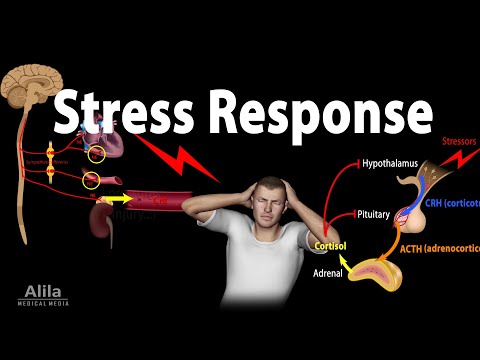
The Stress Response System is driven by two main systems: the sympathetic nervous system and the endocrine system. The sympathetic nervous system gets all hyped up when you’re stressed. It floods your body with adrenaline, making your heart race and your palms sweat.
And there’s another important player here: cortisol. This hormone comes from the endocrine system and helps manage how your body uses carbohydrates, fats, and proteins. So, when you’re stressed out, cortisol levels rise. That can be helpful in short bursts but not so great if that stress hangs around for too long.
Let me share a quick story. I remember this one time in college when I had two exams on the same day. I was worried sick—my heart was pounding like a drum! My sympathetic nervous system was in full swing! I couldn’t focus on studying because my mind kept racing through worst-case scenarios. In that moment, my body didn’t know if it should fight my exams or run away from them!
So what are some actual examples of stress responses? Here are key ones:
- Fight-or-flight response:This is where you either stand ground (fight) or run away (flight). Think of a character in a video game faced with an aggressive monster; they either battle it or find an escape route.
- Tension headaches:This might hit after hours of stressing over work or personal issues.
- Irritability:You know when you’re just cranky because you have too much on your plate? That’s stress talking!
- Physical symptoms:A racing heart, sweating, even stomach issues; these all come straight from that stress response kicking in.
Coping mechanisms play a huge role here too—like trying to tame that unruly party guest! You’ve got options here to help manage those chaotic feelings:
- Meditation:A few minutes of quiet can do wonders for calming your mind.
- Physical activity:You’d be surprised how moving around can help shake off stressful vibes!
- Talk it out: Sometimes venting to a friend does more good than keeping everything bottled up.
Hey, just remember: while understanding our body’s reactions can be super helpful, feeling overwhelmed happens to everyone at some point. And if those feelings start taking over your life? It’s totally cool to reach out for professional help.
So there you have it! Stress isn’t just something we imagine; it’s real and affects us physically and emotionally in all sorts of ways. Trying out different coping strategies might help you handle those tough moments better—you got this!
Understanding the Mechanism of Stress: Physiological Responses and Psychological Implications
Stress is something that we all deal with at different times, right? It can show up when we’re facing deadlines, dealing with conflicts, or even just feeling overwhelmed by life’s demands. But what exactly happens in our bodies when we’re stressed out? Let’s break it down.
First off, when you experience stress, your body kicks into high gear. This is part of what’s known as the **stress response system**. It involves a few key players: the brain, hormones, and your organs. So here’s how it goes:
- Brain Activation: When you perceive a threat (think about those moments when you’re late for an important meeting), your brain activates the amygdala. This little almond-shaped structure is like your body’s alarm system.
- Hormonal Response: The amygdala sends signals to the hypothalamus. In turn, this triggers the release of stress hormones like adrenaline and cortisol from the adrenal glands. Adrenaline increases your heart rate and energy levels—like getting a super boost in a video game!
- Body Responses: Your body then prepares itself to either fight or flee from danger (it’s called the «fight or flight» response). Your breathing quickens, muscles tense up, and blood pressure rises.
Now picture this: You’re playing a thrilling action game where you’re dodging obstacles and chasing after rewards. That adrenaline rush you feel? That’s pretty much what happens in real life during stress too. But here comes the twist.
While short bursts of stress can be helpful—like giving you that extra push to finish an assignment—chronic stress can really take a toll on your health over time. Which brings us to some serious implications.
- Mental Health Issues: Long-term stress can lead to anxiety and depression. When you’re consistently stressed out, it messes with neurotransmitters in your brain that regulate mood.
- Physical Health Problems: Prolonged exposure to cortisol can lead to issues like heart disease or digestive problems. Ever heard of «stress eating»? Yup, that’s also linked back to hormone levels!
- Cognitive Performance: Stress affects your ability to think clearly or make decisions; it’s kind of like trying to play a complex strategy game while under pressure—it can really mess with your focus.
So there you have it! The way your body responds to stress is both fascinating and crucial for understanding how it impacts our lives emotionally and physically. And hey, if you’re feeling overwhelmed more often than not—or if stress starts interfering with daily life—it might be wise to chat with someone who knows their stuff about mental health.
Remember: stressing out isn’t just all in your head; it’s happening throughout your entire body too! Always seek help from professionals when things feel heavy; they’re there for a reason! And umm… don’t forget to take care of yourself along the way!
Understanding the Fight or Flight Response: Exploring the Sympathetic and Parasympathetic Nervous Systems
So, let’s get into that fascinating thing we all have inside us—our body’s fight or flight response. This response is like your internal superhero coming out when you’re faced with danger or stress. It’s basically a survival mechanism, and it kicks in automatically, no matter if it’s a bear chasing you or just a stressful situation at work.
When danger is sensed, your body calls on the sympathetic nervous system. It’s like flipping on a light switch. Your heart rate speeds up, breathing becomes quicker, and your muscles tense up. This prepares you to either fight for your life or run away fast. In this state, you might feel that sudden burst of energy—like when you’re in a racing game and need to hit the gas pedal hard to dodge an obstacle. Crazy, huh?
But here’s where it gets interesting: after the perceived threat is gone, your body needs to calm down. That’s where the parasympathetic nervous system comes in—like a gentle breeze after a storm. This system helps restore balance by slowing down your heart rate and relaxing your muscles. Kind of like after winning that intense game level—you catch your breath and relax!
Let’s break down some key points about these systems:
- The Sympathetic Nervous System: Triggers the fight-or-flight response.
- The Parasympathetic Nervous System: Helps calm the body down afterward.
- Adrenaline Release: When you’re stressed, your adrenal glands release adrenaline to pump you up.
- Cognitive Functioning: In fight-or-flight mode, decision-making can get sharper but sometimes less rational—think quickly!
- Physical Effects: Increased heart rate and blood pressure prepare you for immediate action.
Here’s an emotional twist: Imagine standing in front of a crowd for the first time, absolutely terrified of speaking. Your sympathetic nervous system kicks in; suddenly you feel sweaty palms, rapid heartbeat—you’re fully ready to escape! But if you breathe deeply and remind yourself this is just practice (hello parasympathetic), you’ll notice those symptoms lessening as you find your groove.
In daily life though? Well, many of us might experience chronic stress without realizing it—the sympathetic system stays active longer than it should like that racing game stuck in high gear! Ongoing stress can lead to anxiety disorders or affect our health long-term.
Just remember: while understanding this stuff is empowering—and honestly pretty cool—it doesn’t replace talking to professionals if you’re feeling overwhelmed by stress or anxiety. So take care of yourself out there!
You know, stress has this sneaky way of creeping into our lives, doesn’t it? One minute you’re chilling with your favorite show, and the next, you remember that work deadline or a family issue. Bam! That’s when your body kicks into high gear.
So here’s the thing: when we feel stressed, our bodies go into what’s called the “stress response.” This is like an emergency button that gets pressed, ready to tackle whatever threat we think is lurking around. It all starts in your brain—the amygdala senses danger and sends signals to release hormones like adrenaline and cortisol. You might feel your heart racing or those butterflies in your stomach; it’s basically your body saying, “Alright! Let’s either fight this thing or run away!”
I remember a time when I was preparing for an important presentation. I had spent weeks organizing my thoughts and practicing. The night before, though? Total chaos! My mind wouldn’t shut off. I tossed and turned all night, feeling that familiar tension in my shoulders and tightness in my chest. When morning rolled around, I looked like a raccoon with half-open eyes but was buzzing with this nervous energy—definitely not the ideal state to channel confidence.
But here’s where it gets interesting: while some stress can actually help us perform better (think last-minute cramming for that exam), too much of it can lead to physical health issues like headaches or even chronic conditions over time. Basically, if we’re always on high alert without taking a break, our body starts paying the price of all that tension.
And let’s be real; managing stress is crucial. There are lots of ways to do this—deep breathing exercises can be super effective. Just taking a moment to breathe deeply can calm that raging storm inside so you don’t completely lose it over a spilled coffee cup.
At the end of the day, learning how our stress response works means we can find better ways to handle life’s pressures. So when those stress buttons start getting pressed too often (and they will!), remember you’ve got some power over how you respond! It’s about finding what helps you relax and recharge because life is too short for constant worrying, right?