Hey you! So, let’s chat about something that kinda flies under the radar but is super important: stress.
Este blog ofrece contenido únicamente con fines informativos, educativos y de reflexión. La información publicada no constituye consejo médico, psicológico ni psiquiátrico, y no sustituye la evaluación, el diagnóstico, el tratamiento ni la orientación individual de un profesional debidamente acreditado. Si crees que puedes estar atravesando un problema psicológico o de salud, consulta cuanto antes con un profesional certificado antes de tomar cualquier decisión importante sobre tu bienestar. No te automediques ni inicies, suspendas o modifiques medicamentos, terapias o tratamientos por tu cuenta. Aunque intentamos que la información sea útil y precisa, no garantizamos que esté completa, actualizada o que sea adecuada. El uso de este contenido es bajo tu propia responsabilidad y su lectura no crea una relación profesional, clínica ni terapéutica con el autor o con este sitio web.
I mean, we all feel it, right? The tight shoulders, racing heart, or that knot in your stomach. And believe it or not, a lot of this has to do with something called the HPA axis.
Sounds fancy? Don’t worry—it’s just a helper system in your body that kicks into gear when stress hits. But here’s the kicker: how this axis works can really influence your health and wellbeing.
Let’s unravel this together! You with me?
The Impact of Stress and HPA Axis Dysfunction on Chronic Disease Management
Stress is like that annoying friend who just won’t leave you alone. It keeps showing up, often when you least expect it, and it can seriously mess with your health over time. A big player in the stress game is the HPA axis, which stands for the hypothalamic-pituitary-adrenal axis. This may sound complicated, but let’s break it down.
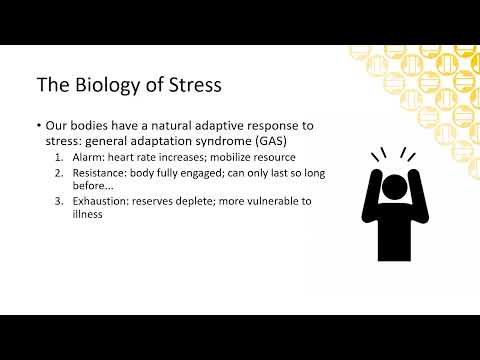
The HPA axis is basically a communication system between your brain and your stress response. When you’re stressed out, this system kicks into action and releases hormones like cortisol. Now, cortisol isn’t all bad—it helps you handle stress in healthy doses. But when there’s too much of it for too long? That’s when trouble starts brewing.
Here’s what happens:
- Your immune system might get lower—making you more vulnerable to infections.
- It can contribute to inflammation, which is linked to conditions like arthritis and heart disease.
- High levels of cortisol can mess with your metabolism, potentially leading to weight gain or making diabetes harder to manage.
Imagine playing a video game where every time you lose a life, the character gets slower and weaker. That’s kind of what chronic stress does to your body—over time, it affects how well you’re able to deal with daily challenges or health issues.
Stress can also affect sleep patterns. You know those nights when your mind won’t shut off? That insomnia makes everything worse. Sleep is crucial for recovery and managing chronic diseases because your body needs rest to heal itself.
There’s also this emotional rollercoaster that comes with prolonged stress: anxiety and depression can creep in too! It’s like trying to win a level while feeling off balance—you’re not at your best anymore.
So what do we do about this?
- Try mindfulness techniques—like meditation or yoga—that help calm the mind.
- Regular exercise is key; even a walk around the block can help clear that mental fog.
- Building a support network of friends and family gives us an emotional boost during tough times.
But remember: if you’re feeling overwhelmed or if stress seriously impacts your health, it’s essential to reach out for professional help. There’s no shame in asking for assistance; even superheroes need sidekicks!
In short, keeping an eye on how stress affects you through the HPA axis can be vital for managing chronic diseases effectively. You want that game character of yours strong and healthy? Then tackle those stressors head-on!
Understanding HPA Axis Hyperactivity Symptoms and Their Impact on Well-Being
The HPA axis, which stands for the hypothalamic-pituitary-adrenal axis, is like your body’s stress command center. When you’re stressed, this system kicks into gear, releasing hormones that help you respond to challenges. But if it’s always on high alert, that can cause some serious issues for your well-being.
When we talk about **HPA axis hyperactivity**, we’re referring to a situation where this system is overactive. Imagine being in a video game where the difficulty level is cranked up way too high—everything feels like a threat and you’re constantly on edge. This can manifest in real life as a variety of symptoms.
- Constant anxiety: You might find yourself feeling anxious even when there’s no real reason to be.
- Insomnia: Trouble falling asleep or staying asleep? Your overactive HPA axis could be playing a role.
- Fatigue: You know that bone-deep exhaustion you can’t shake? It’s not just in your head; it’s physical.
- Weight gain: That stress response can lead to cravings for unhealthy comfort food, making it hard to control weight.
- Mood swings: You might feel irritable or sad for no apparent reason—it’s frustrating!
Let’s break it down a bit more. The **hypothalamus** signals the pituitary gland, which then tells the adrenal glands to release cortisol and other stress hormones. This process helps you deal with stress by boosting energy and focus—great when you’re facing a lion or acing an exam! But what if there’s no actual “lion” but your body still thinks there is? That’s when hyperactivity becomes an issue.
For example, imagine it’s exam week and you’re feeling overwhelmed. Your HPA axis revs up because of the pressure to perform well. If this continues over weeks or months, you could start experiencing those anxiety symptoms I mentioned earlier. It becomes a vicious cycle; constant stress leads to more overactivity, which leads to more emotional distress.
But seriously—what does this mean for your daily life? Well, it’s not just about feeling stressed out all the time! It affects everything from how well you sleep to how much energy you have during the day. It can lead to chronic health issues too since prolonged cortisol exposure impacts your immune system and can mess with your digestive health.
Imagine you’re trying to play an open-world adventure game but every time you attempt to explore, enemies keep popping up everywhere! Frustrating right? That constant fight-or-flight feeling makes it hard to engage in daily activities effectively.
In terms of coping strategies (not replacing professional help!), consider taking time each day for things that calm your mind: meditation or deep breathing exercises could help bring down that hyperactive response. Physical activity also helps by burning off excess energy and reducing cortisol levels.
But remember: if you’re facing these symptoms regularly or they significantly impact your life—you definitely want to reach out for support from a mental health professional who’s trained in dealing with these kinds of situations. You’re not alone in this! So keep an eye on those feelings and take care of yourself along the way; after all, fighting against HPA axis hyperactivity is totally doable with some guidance and support!
Understanding Hypothalamic-Pituitary-Adrenal Axis Function and Its Impact on Stress Responses
Sure! Here’s a text to explain the HPA axis, keeping it friendly and informative:
The hypothalamic-pituitary-adrenal (HPA) axis is a fancy term for an important system in your body that helps manage stress. It’s like the control center for your body’s response to tough situations. When you face stress, your brain sends signals that activate this axis, triggering a chain reaction. Let’s break it down.
Hypothalamus: This little guy is located at the base of your brain. When something stressful happens, like getting chased by an angry dog or just preparing for a big presentation, the hypothalamus releases corticotropin-releasing hormone (CRH). This hormone kicks off the whole process.
Pituitary Gland: Next up is the pituitary gland, which is often referred to as the “master gland.” It sits just below the hypothalamus and responds to CRH by releasing adrenocorticotropic hormone (ACTH). It’s like passing along a message: “Hey, we need more energy here!”
Adrenal Glands: Finally, we have the adrenal glands perched on top of your kidneys. They respond to ACTH by producing hormones like cortisol, which is known as the “stress hormone.” Cortisol helps prepare your body to react faster and more intensely when you’re under pressure. Think of it as a power-up in a video game when you’re facing off against a boss!
You see? This whole interaction is essential for managing stress. But it doesn’t stop there; it has broader impacts on health and well-being too.
- Energy Management: The HPA axis helps mobilize energy stores during stressful situations. That means if you’re suddenly faced with danger (like that dog), you’ll have what you need to run or fight.
- Mood Regulation: Chronic activation of this axis can lead to mood swings or anxiety since high levels of cortisol can affect neurotransmitters in your brain.
- Immune Function: While acute stress can boost immune responses temporarily, ongoing activation can suppress immunity over time, making you more susceptible to illnesses.
- Sleep Quality: Disruptions in HPA function can lead to insomnia or restless nights because cortisol levels may not drop properly at night.
- Coping Mechanisms: How we deal with prolonged stress matters too! Some might resort to unhealthy coping strategies when feeling overwhelmed—like binge-watching shows instead of addressing issues head-on.
Let me share a quick story: A friend of mine was always stressed about work deadlines—so much so that she could barely sleep at night. She noticed she felt exhausted all day and wasn’t really enjoying anything anymore. It turns out her HPA axis was working overtime! Once she identified her triggers and learned better ways to manage her stress through techniques like mindfulness and setting boundaries with work, her life changed dramatically.
So yeah, while understanding how this system works can be super helpful for managing stress effectively, it’s important to remember that everyone’s experience with stress is unique! If things get overwhelming or you’re feeling stuck, reaching out for professional help can make all the difference.
It’s all about finding balance—between our body’s natural responses and how we handle daily pressures. You with me?
You know, stress is one of those things we all experience, but we rarely take a moment to really think about what it’s doing to us inside. The HPA axis—yeah, that sounds fancy, right?—but it’s basically a system in your body that kicks into gear when you’re feeling stressed. HPA stands for hypothalamus-pituitary-adrenal axis, which is a mouthful but hang in there with me.
So here’s the deal: when you feel stressed—like when you’re racing to meet a deadline or just dealing with life’s ups and downs—your brain sends signals down to your pituitary gland. This little guy then tells your adrenal glands to release cortisol, also known as the stress hormone. It’s like flipping on a light switch—you get an instant surge of energy and focus to deal with whatever’s stressing you out.
But here’s where it gets interesting: while a little bit of cortisol can be super helpful for getting through tough moments, too much can be a real problem. Imagine being on high alert all day long; that’d wear anyone out! Chronic stress keeps that HPA axis switched on, which can lead to issues like anxiety or even health problems like high blood pressure and weakened immune response. It’s kind of wild how those everyday worries can pile up and mess with us physically.
Let me tell ya about my friend Sarah. She was juggling work deadlines and family responsibilities, and it seemed like she was always running on empty. One day, she ended up getting sick after weeks of feeling constantly stressed out. When she talked to her doctor, they discussed how her HPA axis had been working overtime without her realizing it! It’s wild to think something so chemical is happening under the surface while life feels just… chaotic.
Now don’t get me wrong; stress is normal—it’s part of being human! The key is finding balance and not letting it run the show 24/7. Simple things like mindfulness practices or even setting aside time for hobbies you love can help keep things in check with that pesky HPA axis.
All this just goes to show how interconnected everything is—mind and body working together (or against each other). So if you’re feeling overwhelmed? Just remember: taking care of yourself isn’t just good for your mood; it’s basically giving your whole system a breather too! And who doesn’t need that?