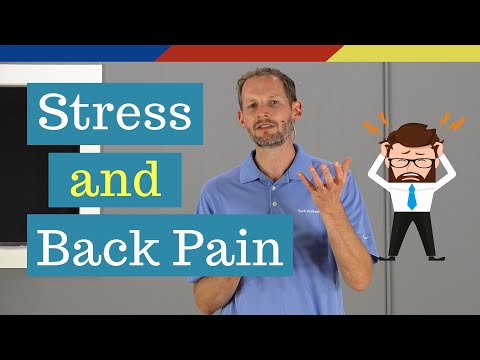
Hey, you ever notice how stress seems to creep into every corner of your life? I mean, one minute you’re chilling and the next you’re a bundle of nerves. And then, bam! Your neck is tight and your back feels like it’s been through a wrestling match.
Este blog ofrece contenido únicamente con fines informativos, educativos y de reflexión. La información publicada no constituye consejo médico, psicológico ni psiquiátrico, y no sustituye la evaluación, el diagnóstico, el tratamiento ni la orientación individual de un profesional debidamente acreditado. Si crees que puedes estar atravesando un problema psicológico o de salud, consulta cuanto antes con un profesional certificado antes de tomar cualquier decisión importante sobre tu bienestar. No te automediques ni inicies, suspendas o modifiques medicamentos, terapias o tratamientos por tu cuenta. Aunque intentamos que la información sea útil y precisa, no garantizamos que esté completa, actualizada o que sea adecuada. El uso de este contenido es bajo tu propia responsabilidad y su lectura no crea una relación profesional, clínica ni terapéutica con el autor o con este sitio web.
It’s wild, right? Stress doesn’t just mess with your mind. It can seriously wreck your body too, especially those muscles.
Let’s talk about this connection. What’s really going on when stress meets muscle pain? Grab a comfy seat; it’s time to get into it!
Effective Strategies to Relieve Body Aches Caused by Stress
Stress and body aches? Yeah, they’re often more connected than you’d think. When you’re stressed out, your muscles tend to tighten up. It’s like they’re saying, “Hey, we’re on alert!” This tension can lead to all sorts of aches and pains, and it can seriously mess with your day-to-day life.
So, how do you get some relief? Here are a few strategies that might help:
- Deep Breathing Exercises: Simple but effective. Just take a moment to inhale deeply through your nose and then exhale slowly through your mouth. Repeat until you feel that muscle tension ease up.
- Stretching: Gentle stretches can work wonders. Think about reaching for the sky with both hands or bending down to touch your toes. Yoga is also a great option here!
- Hot or Cold Therapy: Try using a heating pad or an ice pack on sore spots. Heat helps relax tight muscles while cold can numb the pain and reduce inflammation.
- Restorative Activities: Engage in hobbies that make you feel relaxed. Whether it’s gardening, drawing, or just playing video games for a while—doing something enjoyable helps shift your focus away from pain.
- Meditation: Regularly practicing meditation can help calm your mind and reduce stress overall. Just a few minutes each day can really make a difference!
- Massage: If you have access to it, getting a massage can really help alleviate muscle tightness caused by stress. It’s like giving yourself permission to unwind completely.
You know what’s funny? I remember this one time I was super stressed about finals in college. My neck felt like it was made of stone! I decided to take breaks every hour to do some stretches and deep breathing exercises. It surprised me how much better I felt afterward—like my brain could finally think clearly again!
While these strategies may work for many people, it’s key to remember that they don’t replace professional help if you’re experiencing ongoing pain or stress-related issues. Sometimes our bodies just need a little extra support.
In the end, finding ways to relieve body aches caused by stress is all about discovering what works best for YOU! So don’t hesitate to experiment with these methods until you find the right mix that eases that muscle tension and keeps life feeling good!
Understanding Stress Pain Areas: Physical Symptoms Linked to Psychological Factors
Stress is like that annoying background music in a coffee shop, isn’t it? You don’t notice it until it suddenly gets louder, and then you can’t concentrate on anything else. And when stress levels rise, your body can react in ways you might not expect. Let’s take a closer look at how stress ties into muscle pain and other physical symptoms.
When you’re feeling stressed, your body goes into this fight-or-flight mode. This response triggers the release of hormones like adrenaline and cortisol. These hormones are great for short bursts of energy but can be problematic if you’re constantly stressed out. It’s like keeping your character in a game on high alert for too long; eventually, they’ll start to wear down.
Now, where do we feel this stress? Well, a lot of folks report muscle tension, especially in areas like the neck, shoulders, and back. You might find yourself scrunching up your shoulders or clenching your jaw without even realizing it! This tension can lead to pain or discomfort over time. Think of it as leveling up in a game—your character starts getting more powerful but also more damaged if you don’t take care of them.
Here are some common physical symptoms tied to stress:
- Headaches: Tension headaches often come from muscle tightness around the head and neck.
- Chest pain: This can feel very alarming; sometimes it’s just muscle tension.
- Digestive issues: Stress messes with your gut—it’s true! Bloating or stomach cramps can occur because your body isn’t processing food efficiently when stressed.
- Fatigue: Even though you’re feeling all this energy from those hormones, prolonged stress can leave you drained.
I remember one time when I was juggling deadlines—the kind where every minute feels like a ticking bomb. I noticed my neck felt tight. At first, I thought I just needed to stretch more or maybe take a warm bath. But the truth is that my mind was so overloaded that my body took matters into its own hands! Sound familiar?
Stress-induced muscle pain isn’t just something that happens when you’re under pressure; it can also linger even after the stressful situation has passed. It’s almost as if your muscles are holding onto that tension like a child with their favorite toy—they just don’t want to let go!
To tackle this connection between stress and muscle pain, here are some things to consider:
- Meditation or deep breathing: These techniques help calm the mind which translates to relaxed muscles.
- Regular exercise: Moving around helps release built-up tension from those tight spots!
- Sufficient sleep: Your body needs rest to recover—don’t neglect this!
But hey, remember: if you’re experiencing chronic pain linked to stress—or anything else—you should definitely consider talking to a professional about it. They have the tools and knowledge to help you out and make sure everything’s alright.
In short? Stress can seriously mess with our bodies in ways we often overlook. It’s that sneaky shadow lurking behind scenes—sometimes affecting us physically long after the initial cause has faded away. So take care of yourself! Your body deserves better than hanging onto all that tension for dear life.
Recognizing the Physical Symptoms of Stress Leaving the Body
Stress can seriously mess with your body in ways you might not even notice until things get a little too intense. Like, if you’ve ever felt a tightness in your shoulders or an ache in your back after a long day, that’s not just in your head – it’s real! Let’s break down how stress and muscle pain are connected.
When you’re stressed, your body gets into this fight-or-flight mode. Basically, it’s like a video game where the character prepares for battle. Your muscles tense up, ready to spring into action against whatever perceived threat is looming. But what happens when there’s no actual danger? Those muscles stay tense, leading to discomfort or pain.
Think about this: when you’re focused for too long on something stressful – like cramming for exams or dealing with work deadlines – you might find yourself hunched over your desk. That uncomfortable position can lead to muscle tightness and pain in areas like your neck and shoulders. Seriously, have you ever noticed how stiff you feel after hours of being glued to a screen? It’s wild!
Here are some common physical symptoms of stress leaving the body:
- Muscle Tension: This is probably one of the first things you’ll notice.
- Fatigue: Even after resting, you might still feel tired.
- Headaches: Tension headaches are super common during stressful times.
- Digestive Issues: Stress can mess with your gut, causing discomfort.
- Sweating: Ever noticed you sweat more when stressed? Yep!
Now let’s chat about what happens when the stress starts to ease up. When you finally manage to relax – whether it’s through yoga, taking a walk, or binge-watching your favorite show – those tight muscles begin to release their grip. You might even feel some tingling or warmth as blood flow increases to those areas that were previously tense.
Imagine playing a relaxing game where you’ve just defeated the final boss; there’s that moment of relief! You know that feeling? Your muscles relax as if they’re breathing a sigh of relief too.
But don’t ignore persistent muscle pain! If you’re feeling aches that stick around long after the stressors are gone, it might be time to check in with a healthcare pro. They can help distinguish whether it’s just run-of-the-mill stress-related tension or something more serious.
So yeah, keeping an eye on those physical symptoms is super important for managing stress effectively. Remember: while recognizing these signs is helpful for understanding what’s going on with your body, it doesn’t replace professional advice or treatment if needed!
Stress and muscle pain, you know? It feels like they’re old buddies who just can’t get enough of each other. If you’ve ever had one of those crazy weeks where everything seems to pile up—work deadlines, family drama, or just life throwing curveballs at you—then you might have noticed some extra tightness in your shoulders or an ache in your back. It’s not just in your head; there’s a real connection.
So, picture this: I remember when I was in college, juggling classes and part-time jobs while trying to maintain a social life. There was that one semester—I swear it nearly killed me! By the end of it, my neck felt like it had turned to stone. What I didn’t realize then was that the stress I was piling on myself wasn’t just mental. My body was definitely keeping score. You with me?
Here’s the thing: when we’re stressed out, our bodies react. It’s like they go into high alert mode—muscles tense up as if they’re bracing for something big. This is your body’s way of saying, “Hey! Danger!” even if the danger is just an exam or an email from your boss that you’ve been dreading.
This tension can lead to muscle pain—sometimes in places you wouldn’t expect! A tight jaw from grinding your teeth, aching shoulders because you’re hunched over your laptop too long… It all adds up. And when the pain kicks in? Well then, it can create this nasty cycle: you stress about feeling sore, which makes you tenser and more stressed.
And let me tell you, breaking that cycle isn’t always easy. If you’ve found yourself stuck in it too, you’re definitely not alone! Relaxation techniques can help—things like deep breathing or yoga might seem cliché sometimes but seriously work wonders for some people.
So really understanding how stress manifests physically helps us sort through our feelings better and take care of ourselves more holistically. You know? It’s not just about managing stress with a to-do list or a quick yoga session; it’s about recognizing how intertwined these experiences are.
In the end, acknowledging this connection might be the first step toward feeling better overall. If we treat our minds and bodies well together instead of pretending they’re separate entities—it could really change how we handle both stress and muscle pain down the road!