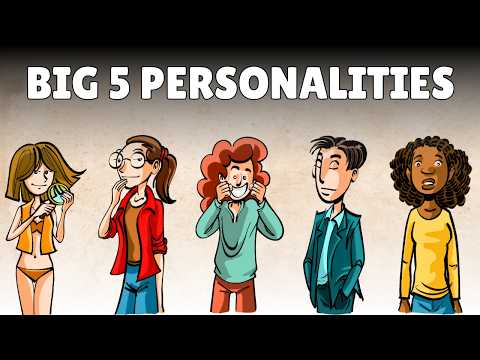
So, you know how everyone has their own vibe? Some people are super chill, while others are just full of energy. It’s like, we all have our quirks that make us, well, us!
Este blog ofrece contenido únicamente con fines informativos, educativos y de reflexión. La información publicada no constituye consejo médico, psicológico ni psiquiátrico, y no sustituye la evaluación, el diagnóstico, el tratamiento ni la orientación individual de un profesional debidamente acreditado. Si crees que puedes estar atravesando un problema psicológico o de salud, consulta cuanto antes con un profesional certificado antes de tomar cualquier decisión importante sobre tu bienestar. No te automediques ni inicies, suspendas o modifiques medicamentos, terapias o tratamientos por tu cuenta. Aunque intentamos que la información sea útil y precisa, no garantizamos que esté completa, actualizada o que sea adecuada. El uso de este contenido es bajo tu propia responsabilidad y su lectura no crea una relación profesional, clínica ni terapéutica con el autor o con este sitio web.
This whole thing got me thinking about personality traits. Ever heard of the Big 5? They’re kind of a big deal in psychology. Seriously!
Imagine having a framework that helps explain why you get along better with some folks than others. Or why your best friend is always up for a spontaneous road trip while you’d rather binge-watch Netflix in your pajamas.
It’s pretty interesting stuff! Let’s unpack these traits together and see what makes each of us tick! Sound good?
Understanding the Big 5 Personality Traits: Definitions and Real-Life Examples
Sure thing! Let’s jump into the Big 5 Personality Traits. It’s like peeking inside a huge puzzle of who we are, right? So here’s how it breaks down.
1. Openness to Experience
This trait is all about your willingness to embrace new ideas and experiences. If you’re the type who loves trying different foods, going on spontaneous trips, or diving into new hobbies, you’re probably pretty high in this trait. People with **high openness** tend to be imaginative and curious, while those with **low openness** might stick to traditional ways of doing things.
Example: Imagine two friends deciding where to eat. One suggests a trendy fusion restaurant (high openness), while the other prefers their usual burger joint (low openness). It’s like a mini adventure waiting to unfold!
2. Conscientiousness
Next up is conscientiousness, which relates to how organized and dependable you are. People high in this trait tend to be hard-working and structured—think checklists and planners! On the flip side, low conscientiousness might come across as more laid-back or spontaneous.
Example: Picture a student preparing for exams: one is creating color-coded study schedules (high conscientiousness), while another pulls an all-nighter without much thought (low conscientiousness). Different strokes for different folks!
3. Extraversion
Now let’s chat about extraversion. This one’s all about your energy levels and social interactions. Extraverts generally get energized by being around others—they’re often seen laughing it up at parties! Introverts, on the other hand, may find social gatherings draining and recharge by spending time alone.
Example: Think of two players in a multiplayer game: one thrives when strategizing with friends online (extravert) while another prefers playing solo missions to clear their head (introvert).
4. Agreeableness
Agreeableness covers how friendly and compassionate you are towards others. High agreeableness means you’re empathetic and cooperative; low agreeableness can signal more competitiveness or skepticism.
Example: Imagine teammates in sports: one player always cheers others on and helps them improve (high agreeableness), while another is more focused on outshining everyone else (low agreeableness). Each approach has its perks!
5. Neuroticism
Finally, we have neuroticism which deals with emotional stability and how prone you are to negative feelings like anxiety or sadness. People high in neuroticism might feel stressed easily, whereas those low in this trait tend to be more resilient.
Example: Consider two characters in a video game facing challenges: one panics when facing tough opponents feeling overwhelmed (high neuroticism), while another stays calm under pressure ready for whatever comes next (low neuroticism).
Overall, understanding these traits gives insight into yourself—and others too! They can help explain behaviors from friendships to work relationships or even gaming strategies—crazy how that works out! Just remember that everyone’s a mix of these traits; no one fits perfectly into just one box.
And hey, if any of this brings up stuff that feels heavy or confusing for you personally? It might be worth chatting with someone who knows their stuff—a therapist could really help navigate those waters better than I can here!
Understanding the Big Five Personality Test: Key Traits and Their Implications
The Big Five Personality Test is like a map of your personality. It breaks down who you are into five major traits, making it easier to understand yourself and the way you interact with others. These traits are openness, conscientiousness, extraversion, agreeableness, and neuroticism. Each one plays a role in shaping your behavior and thoughts.
Openness is all about how open-minded and curious you are. If you score high on this trait, you’re probably someone who loves trying new things—be it food, travel, or even experiences like trying out a new video game. Think of it as being an explorer in the world of ideas! People who score low might prefer routine and familiarity.
Conscientiousness reflects how organized and dependable you tend to be. A high score indicates that you’re responsible; maybe you keep a neat planner or always meet deadlines at work or school. Low scorers? Well, they might be more laid-back about those kinds of things—think of the friend who always shows up late because they took too long picking an outfit!
Then we have extraversion, which measures how outgoing you are. If you’re high on extraversion, social events light you up! You probably enjoy chatting with friends or meeting new people—I mean, can’t resist a party? On the flip side, introverts may feel drained after social events and often need some alone time to recharge.
Agreeableness speaks to how well you get along with others. High agreeableness means you’re empathetic—you see others’ feelings and want to help them out. Maybe you’d lend a hand when someone’s struggling with their homework or offer emotional support during tough times. But if you’re low in this area? You might be more competitive; that’s fine too! Just remember: it’s okay to look out for yourself sometimes.
Finally, there’s neuroticism, which is all about emotional stability versus instability. A high score here means you might experience mood swings or anxiety more often. It can feel like playing a game with constant surprises—sometimes it’s thrilling but draining! Low neuroticism suggests you’re pretty calm under pressure; maybe that’s why you’re the go-to person for advice!
Understanding these traits can really change the way you see yourself and your relationships with others. For example, if your friend is low in conscientiousness but high in agreeableness, it makes sense why they sometimes forget plans—that’s just their style!
Each of us has our unique mix of these traits; there’s no right or wrong way to be—seriously! It’s just about learning how our personalities influence our lives and behaviors.
This test doesn’t replace professional help if you’re feeling overwhelmed by emotions or situations in life though! Always reach out for support when needed—it’s super important to take care of your mental health.
So next time someone mentions personality tests at dinner or during a game night (those can get pretty intense!), you’ll know exactly what they’re talking about!
Comprehensive Guide to the Big 5 Personality Traits: Understanding the Psychology Behind Each Trait (PDF)
Personality is super intriguing, right? Ever wondered what makes you who you are? The Big 5 Personality Traits offer a neat way to understand different sides of our personalities. These traits are about how we typically think, feel, and behave. So let’s break them down!
1. Openness to Experience
This trait is all about imagination and curiosity. People high in openness tend to be creative and enjoy new experiences. They love trying new foods, traveling, or diving into different cultures. Imagine a friend who says yes to every adventure – that’s an open person! On the flip side, those lower in this trait may prefer routine and familiarity.
2. Conscientiousness
Conscientious folks are usually organized, dependable, and disciplined. If you think about it, they’re like the friend who always has their stuff together! They plan ahead and set goals for themselves with dedication. So how would this look in a game? Think of someone who would methodically clear every level instead of rushing through – that’s the conscientious player!
3. Extraversion
This trait represents how outgoing or reserved someone is. Extraverts thrive in social situations; they gain energy from being around others. Picture that person at the party who knows everyone and makes friends easily! On the other hand, introverts recharge by spending time alone and might prefer quieter settings.
4. Agreeableness
Agreeable people are friendly, compassionate, and eager to help others. They’re like that person everyone relies on for support because they genuinely care about your well-being! If someone scores low on agreeableness, they might be more competitive or less trusting.
5. Neuroticism
Neuroticism measures emotional stability versus instability. Those high in this trait often experience anxiety or mood swings more intensely than others. You can think of it as a character in a game who’s easily shaken by challenges compared to one that just brushes off setbacks without breaking a sweat!
In summary:
- Openness: Imaginative vs traditional.
- Conscientiousness: Organized vs spontaneous.
- Extraversion: Outgoing vs reserved.
- Agreeableness:
- Neuroticism:
- Neuroticism:
The Big 5 can help you understand yourself better and improve relationships too! Just remember that while these traits give some insight into behavior patterns, they don’t define you completely or dictate your potential for growth.
Feeling curious about your own traits? You might consider taking one of those online personality tests as a starting point – just keep it light-hearted! Always remember though: if you’re facing serious concerns regarding your mental health or relationships, reaching out to a professional is key.
Isn’t it cool how these big traits can paint such a vivid picture of our personalities? I mean wow!
Personality is such a curious thing, isn’t it? You know how sometimes you meet someone and instantly think, «Wow, this person is so outgoing!» Or maybe you hang out with your friend who’s always super organized and on top of things. Well, there’s a whole framework in psychology that breaks down these traits into what they call the Big 5. But don’t worry; it’s not as complex as it sounds.
So, first off, the Big 5 traits are: openness, conscientiousness, extraversion, agreeableness, and neuroticism. If you’re feeling lost right now, just stick with me!
Let’s start with openness. People high on this trait tend to be more adventurous and creative. They’re usually the ones who try new foods or take spontaneous trips. I remember a friend of mine who took off to Thailand on a whim because she saw a cheap flight online! Her sense of adventure definitely defines her personality.
Next up is conscientiousness. This one’s all about being organized and dependable. You probably know someone who color-codes their calendar or has post-its everywhere—yeah, that’s what I’m talking about! It might sound boring to some, but let me tell you, it can really help in achieving goals.
Then we have extraversion. Ahh yes—the social butterflies! These folks recharge by being around others and love engaging in conversations. They’re often the life of the party (you know that one friend who always says “let’s go out!”). On the flip side are introverts—who might prefer cozy nights in with a book or movie instead.
Agreeableness comes next. This trait measures how friendly and compassionate someone is towards others. High agreeableness means you’re likely to be empathetic and cooperative—like when your buddy needs help moving apartments (and you’re there without being asked!). But some might be more competitive or distant; those are the low-agreeable ones.
Finally, we have neuroticism. This one’s kind of a mixed bag—it refers to emotional stability versus instability. If someone tends to experience anxiety or mood swings often? They might score high here. Think about that time when your friend totally spiraled over a small mistake—yeah, that’s neuroticism in action!
And here’s the real kicker: we all sit somewhere along this spectrum for each trait—it’s not just black and white! Basically, those five traits can paint a pretty vivid picture of why we think and act like we do.
It’s interesting stuff when you think about it! Understanding these traits can help us relate better to each other too. I mean sure, my wandering friend may drive me nuts sometimes with her spontaneity but that’s just part of who she is!
So next time you’re hanging out with friends or meeting new people, take a moment to recognize these different traits at play—it makes understanding human behavior way more fun!