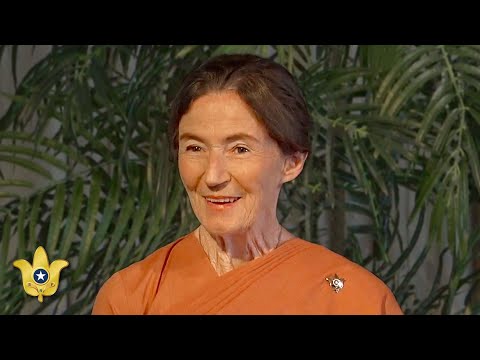
You know, there’s something pretty magical about mindfulness, right? It’s like finding that sweet spot between chaos and calm.
Este blog ofrece contenido únicamente con fines informativos, educativos y de reflexión. La información publicada no constituye consejo médico, psicológico ni psiquiátrico, y no sustituye la evaluación, el diagnóstico, el tratamiento ni la orientación individual de un profesional debidamente acreditado. Si crees que puedes estar atravesando un problema psicológico o de salud, consulta cuanto antes con un profesional certificado antes de tomar cualquier decisión importante sobre tu bienestar. No te automediques ni inicies, suspendas o modifiques medicamentos, terapias o tratamientos por tu cuenta. Aunque intentamos que la información sea útil y precisa, no garantizamos que esté completa, actualizada o que sea adecuada. El uso de este contenido es bajo tu propia responsabilidad y su lectura no crea una relación profesional, clínica ni terapéutica con el autor o con este sitio web.
Well, Chris Germer is one of those folks who really gets it. He’s been shaking things up in the world of psychology for years now, mixing mindfulness with traditional therapy.
Imagine how cool it is to blend being present with all that mental heavy lifting we do.
Chris has this unique way of making mindfulness accessible. Whether you’re a total newbie or someone who’s been meditating for ages, he speaks your language.
So let’s take a little stroll through his journey and see how he’s changing the game for so many people!
Exploring the Works of Christopher Germer: An Overview of His Books and Contributions
Christopher Germer has made a significant impact in the realm of psychology, particularly in the integration of mindfulness into therapeutic practices. You might have heard his name thrown around when discussing mindfulness-based approaches, and there’s a good reason for that!
Mindfulness, at its core, is about being present, you know? It’s about noticing your thoughts and feelings without judging them. Germer was key in bringing this concept into psychology’s mainstream. His work encourages therapists to use mindfulness techniques to help clients deal with various mental health challenges.
One of his most famous contributions is the book, The Mindful Path to Self-Compassion. In it, he dives deep into the power of self-compassion and how it can transform your relationship with yourself. Many people struggle with being kind to themselves—maybe you’ve felt that pressure too? Germer shows that by practicing self-compassion, folks can actually improve their emotional well-being. For example, think of it like playing a video game where every time you fail, instead of getting frustrated, you give yourself a virtual high-five and say, “Hey, it’s cool. Let’s try again!”
Another important piece of his work is the book Wisdom and Compassion in Psychotherapy. This isn’t just for therapists; it’s useful for anyone interested in understanding how compassion plays a role in healing. He emphasizes that compassion isn’t just a warm fuzzy feeling; it’s also a skill that can be cultivated over time.
Germer also helped create the Mindful Self-Compassion (MSC) program along with Kristin Neff. This program teaches people how to develop self-compassion through practical exercises and guided meditations. Imagine going through challenges feeling less alone because you’re learning to treat yourself as gently as you would treat a friend—that’s what MSC aims for!
His approach is also interesting because he combines scientific knowledge with personal experience. He shares stories from his own life which makes his teachings relatable—like sharing how he struggled with perfectionism but found freedom through mindfulness practices.
You see? This blend of research and personal anecdotes makes his writing engaging! Plus, Germer emphasizes that while mindfulness can be transformative, it’s not a replacement for professional mental health treatments if someone really needs help.
In short, Christopher Germer has been pioneering mindfulness’s role in psychology by showing us how to be kinder to ourselves and others through practical tools and compassionate insight. Really powerful stuff! So if you’re ever feeling overwhelmed or hard on yourself—which we all do sometimes—remember that there are strategies out there to help soothe those feelings.
Overall:
- Mindfulness: Key concept in therapy.
- The Mindful Path to Self-Compassion: Focuses on self-kindness.
- Wisdom and Compassion in Psychotherapy: Combines compassion skills with psychology.
- Mindful Self-Compassion (MSC): A structured way to learn self-compassion.
- Personal Stories: Adds relatability and depth to his works.
So yeah, Chris Germer has really paved the way for many people towards understanding themselves better through compassion and mindfulness!
Chris Germer: Biography, Contributions, and Influence in Mindfulness and Self-Compassion
Chris Germer is a name worth knowing if you’re into mindfulness and self-compassion. He’s one of the big players in bringing these concepts into the realm of psychology. Born in 1950, Germer’s journey is pretty fascinating. He studied psychology and eventually became quite involved with mindfulness practices, which isn’t just about sitting quietly; it’s about really being present in your life.
One of his notable contributions is co-developing the Mindful Self-Compassion (MSC) program along with Kristin Neff. This program blends mindfulness principles with self-compassion techniques. But what does that really mean? Well, to put it simply, it’s about treating yourself like you would treat a good friend—offering kindness instead of criticism when things go south.
Let me share a quick story. Imagine a player in a video game who keeps failing at the same level. Instead of throwing down the controller in frustration, they decide to take a step back. They breathe, reflect on what went wrong and try again with a kinder approach. That’s sort of what Germer advocates for—all while navigating through your own life.
Here are some key points that highlight his influence:
- Mindful Self-Compassion Program: This program helps people manage their emotions better and build resilience.
- Books: Germer has authored several books on mindfulness and compassion, like «The Mindful Path to Self-Compassion.» These works guide readers on how to incorporate these practices into daily life.
- Workshops: He frequently conducts workshops around the world, teaching others how to practice self-compassion within various settings—including healthcare and education.
Germer emphasizes that practicing mindfulness doesn’t mean you’re going to get rid of negative emotions completely; instead, it helps you face them without judgment or harsh feelings towards yourself.
His influence spans beyond just individual practices; he’s played a role in integrating mindfulness into professional psychology. Think about therapists who start using his methods—it’s like giving them new tools for their toolbox! They can help clients navigate stress or anxiety more effectively by showing them how to be compassionate towards themselves during tough times.
So yeah, Chris Germer’s work has connected so many threads between psychology and deeper emotional understanding that helps us just exist better in this crazy world we live in. Remember though, even if these ideas sound great and helpful, they’re not substitutes for professional help if you need it! Everybody’s path is different—so respect yours and keep exploring what works best for you.
Exploring the Life and Relationship of Chris Germer and His Wife
Chris Germer is a name that echoes in the world of psychology, especially when it comes to mindfulness. He’s known for pioneering ways to incorporate mindfulness into therapy, helping people deal with stress, anxiety, and emotional pain. But let’s talk about his life outside of work, particularly his relationship with his wife. It gives you a fuller picture of who he is as a person.
Meet Chris Germer. His focus on mindfulness stems from a passion for helping people improve their emotional wellbeing. He co-developed a program called Mindful Self-Compassion (MSC), which blends mindfulness and self-compassion practices. If you think about it like leveling up in a video game, each practice helps you gain “experience points” in self-kindness and resilience against life’s challenges.
So who supports him on this journey? That would be his wife, Dr. Kristen Neff. She’s also a big player in the mindfulness scene, recognized for her research on self-compassion—basically, they’re like two puzzle pieces that fit perfectly together. They both understand the importance of mental health and have worked together to share these concepts with others.
Their Relationship is all about mutual support and shared values. They often bounce ideas off each other and collaborate on various projects aimed at promoting mental health and wellness. Imagine them sitting at the kitchen table after dinner, talking shop but also sharing life’s ups and downs—a real partnership!
Here are some *key points* about their relationship:
- Shared Goals: Both are dedicated to spreading the message of self-compassion.
- Mutual Understanding: They get what each other faces professionally.
- Support System: Whether it’s emotional or intellectual support, they’ve got each other’s backs.
- Collaborative Projects: Their teamwork extends into workshops and writing endeavors.
You know what? It’s pretty inspiring to see how their personal lives intertwine with their professional goals. They’re not just talking about compassion; they’re living it every day.
As for moments that stand out in their journey together—there have been challenges as well as triumphs. Picture them facing a tough time during a project where things weren’t going as planned; instead of letting frustration take over, they probably leaned into each other for support and solutions.
In essence, Chris Germer’s relationship with his wife exemplifies what he preaches: being kind to yourself while navigating life’s complexities together can lead to not just personal growth but also strengthen relationships.
And hey you, if you’re ever feeling overwhelmed or curious about diving deeper into mindfulness or self-compassion practices? Just remember that while this info can guide you, it’s always best to reach out to professionals if you’re struggling personally!
You know, when you think about mindfulness, it’s hard not to mention Chris Germer. This guy has really been a game-changer in bringing mindfulness into the world of psychology. I remember reading about his journey and feeling inspired, like he was this quiet hero paving the way for something that feels so natural yet transformative.
Germer’s work, especially with Mindful Self-Compassion (MSC), has a way of making you stop and think. It’s like he took this ancient practice and wrapped it in modern science—pretty cool, right? I mean, the idea of being kind to ourselves seems so simple, but we often forget how vital it is. Just imagine those moments when you mess up or feel down; instead of beating yourself up, what if you could just be there for yourself? That’s what Germer is all about.
One story that always sticks with me is about a woman who struggled with her self-worth. She’d constantly compare herself to others and found it hard to appreciate her own journey. After practicing MSC techniques inspired by Germer, she began to notice her negative self-talk transforming into gentle encouragement. It wasn’t an overnight miracle—more like small steps that led to major shifts in her mindset. And isn’t that what we all want? A little kindness goes a long way.
Anyway, diving deeper into Germer’s teachings makes me realize how much our emotions can control us if we let them. He urges us to acknowledge our feelings without judgment—like watching clouds drift by rather than getting caught up in the storm. It’s such a simple metaphor yet so powerful! Mindfulness isn’t just about sitting quietly; it’s also about engaging with life in a more compassionate way.
And there’s something refreshing about how he emphasizes the importance of community and connection in this practice. It’s not just an individual journey but one where sharing experiences can foster healing and understanding among people. Wow! Just think of how lonely folks can feel sometimes; having that shared experience can create such warmth.
In the end, Chris Germer’s impact on mindfulness isn’t just theoretical—it’s practical and human-centered. He shows us how blending ancient wisdom with psychology can lead us toward deeper self-acceptance and compassion. So whether you’re struggling or thriving, his teachings have this gentle nudge reminding you that it’s okay to be imperfectly human! What a refreshing perspective!