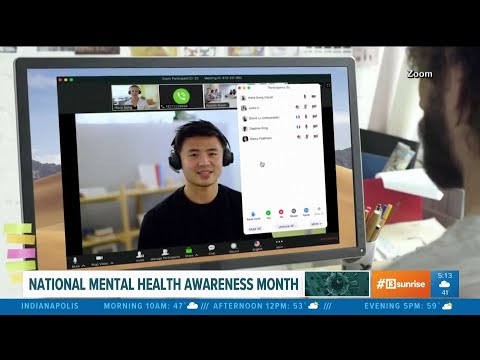
Mental health is a big deal, right? But here’s the thing—you’ve got different cultures with unique ways of seeing it. And sometimes, those views clash.
Imagine you’re chatting with a friend from another country. They talk about mental health in a way that makes you go, “Wait, what?” It’s eye-opening!
Este blog ofrece contenido únicamente con fines informativos, educativos y de reflexión. La información publicada no constituye consejo médico, psicológico ni psiquiátrico, y no sustituye la evaluación, el diagnóstico, el tratamiento ni la orientación individual de un profesional debidamente acreditado. Si crees que puedes estar atravesando un problema psicológico o de salud, consulta cuanto antes con un profesional certificado antes de tomar cualquier decisión importante sobre tu bienestar. No te automediques ni inicies, suspendas o modifiques medicamentos, terapias o tratamientos por tu cuenta. Aunque intentamos que la información sea útil y precisa, no garantizamos que esté completa, actualizada o que sea adecuada. El uso de este contenido es bajo tu propia responsabilidad y su lectura no crea una relación profesional, clínica ni terapéutica con el autor o con este sitio web.
Transcultural psychiatry pops up to help bridge those gaps. It’s all about understanding how culture shapes our minds and emotions.
So, think of it as a way to make sense of the diverse experiences we all have. You know what I mean?
It’s a fascinating blend where psychology meets anthropology. And trust me, it leads to some remarkable stories and insights. Let’s explore this together!
Understanding Transcultural Psychiatry: A Comprehensive PDF Guide
Transcultural psychiatry is a fascinating field that deals with mental health across different cultures. It helps us understand how cultural factors influence mental health, and it can seriously impact how people express and experience psychological distress. So, let’s break this down a bit.
Cultural Context Matters
Every culture has its own beliefs about mental illness. For example, in some cultures, mental health issues might be seen as a spiritual problem rather than a medical one. This understanding shapes how people cope and seek help.
- Stigma: In certain communities, talking about mental illness can lead to shame or ostracism.
- Expression of Symptoms: While one culture may openly discuss feelings of sadness, another might express distress through physical symptoms like headaches or stomachaches.
The Role of Language
Language is not just about words; it carries cultural meanings too. When practitioners don’t share the same language or cultural background as their patients, things can get tricky. It’s essential to have translators who understand the nuances of both language and culture.
Think about playing an online game with buddies from different countries—if you don’t speak the same language or get each other’s humor, coordinating strategies could be tough!
Diagnostic Approaches
Transcultural psychiatry emphasizes that diagnosis isn’t a one-size-fits-all deal. Tools used for diagnosing mental illnesses usually come from Western contexts. This often leads to misdiagnosis in culturally diverse populations.
- Cultural Formulation: This tool helps clinicians understand the patient’s culture and its impact on their condition.
- Adaptation of Treatments: Therapeutic methods might need tweaking to resonate with different cultural values.
Bridging Cultures in Treatment
So what does effective treatment look like? It’s all about respect and understanding! Practitioners should aim to create an inclusive environment where patients feel safe discussing their experiences without judgment.
This means integrating culturally appropriate practices into therapy. For instance:
- Incorporating Traditions: Some therapists might include traditional healing methods alongside conventional ones.
- Cultural Competence Training: Clinicians should receive training on various cultures’ belief systems regarding mental health.
Anecdotal Inspiration
I remember chatting with a friend who grew up in a very traditional family background where emotions were rarely discussed openly. When he finally sought help for anxiety after years of bottled-up feelings, it was clear how vital it was for him to find a therapist who understood his cultural context. They worked together not just on coping strategies but also ways to translate his feelings into words that made sense within his tradition.
In essence, transcultural psychiatry is crucial because it highlights how important it is to see the person behind the label—to view their experiences through their unique lens.
To wrap things up: If you’re navigating these waters—whether you’re a patient or provider—remember that transcultural psychiatry isn’t just an academic concept; it’s about real people living real lives under diverse circumstances! And hey, if you or anyone else is struggling with mental health issues, reaching out to professionals trained in this area can make all the difference.
Understanding the Impact Factor of Transcultural Psychiatry: Implications for Research and Practice
Transcultural psychiatry is a fascinating field that dives deep into how culture shapes our mental health. Seriously, it’s all about understanding that mental health isn’t one-size-fits-all. Different cultures have unique beliefs, practices, and experiences that can influence how mental health issues are perceived and treated.
What is Transcultural Psychiatry? It’s basically the study of how culture affects mental health. You see, every culture has its own way of understanding psychological distress. For instance, in some cultures, people might describe feelings of depression as a physical illness instead of an emotional one. That can seriously impact how they seek help or which treatments they’re open to.
Now let’s talk about the impact factor. This term usually refers to how much a research paper or journal is cited, but here it can reflect the importance and relevance of transcultural psychiatry in real-world scenarios. The implications for research and practice are pretty significant:
- Diverse Perspectives: Transcultural psychiatry encourages researchers and practitioners to consider various cultural backgrounds when treating patients.
- Better Communication: It helps bridge gaps between clinicians and patients from different cultures by promoting understanding.
- Tailored Treatments: Mental health strategies can be more effective when they respect cultural nuances; what works in one community may not work in another.
- Avoiding Misdiagnosis: Cultural differences can often lead to misdiagnoses if professionals aren’t aware of those variations.
For example, think about video games where characters come from different worlds with their own backstories. If a character from a forest realm sees another from a tech world going through anxiety differently because their experiences shape their understanding. Similarly, recognizing how cultural backgrounds affect mental health allows for more effective treatment plans.
Another important piece? Research in this area has shown that mental disorders can manifest differently across cultures. Let’s say you have someone dealing with trauma; while one person might express sadness through tears, another may show it as anger or even withdrawal. Understanding these reactions is critical for effective interventions.
It’s also crucial to mention that transcultural psychiatry doesn’t mean tossing aside evidence-based practices or established treatments. Instead, it aims to integrate those methods with a cultural lens which leads to better outcomes for individuals seeking help.
In practice, this means that healthcare professionals need ongoing education on diverse cultures they serve. Being aware of different belief systems about mental health can enhance trust between clinicians and patients.
And here’s something personal: I once met someone who felt completely misunderstood by their therapist because they didn’t share the same cultural background. They expressed this disconnection so vividly! Their struggles weren’t just personal—they were also shaped deeply by their upbringing and heritage.
So yeah, transcultural psychiatry reminds us that empathy goes beyond individual feelings; it extends into understanding each other’s life narratives shaped by culture! Using this knowledge in both research and clinical settings elevates the practice of mental healthcare immensely.
In short, transcultural psychiatry isn’t just academic; it’s deeply human—bringing together stories from all walks of life to help everyone feel seen and treated better. Just remember though—if you’re dealing with any serious issues yourself? It’s always best to seek professional help tailored specifically for you!
Transcultural Psychiatry: Understanding Mental Health Across Diverse Cultures
Sure! Let’s chat about transcultural psychiatry and how it helps us understand mental health across different cultures. It’s pretty fascinating stuff, and it gives us a better perspective on how culture shapes our mental well-being.
Transcultural psychiatry focuses on how cultural factors influence mental health. Culture is like the background music of our lives; it shapes our thoughts, feelings, and even how we express emotions. When someone from one culture interacts with someone from another, things can get tricky if they don’t understand each other’s cultural backgrounds.
- Language barriers: Sometimes it’s hard to express feelings when words don’t quite fit. Imagine playing a game where you can’t fully explain your strategy! Miscommunication can lead to misunderstandings in therapy sessions.
- Cultural perceptions of mental illness: Different cultures view mental health issues in unique ways. In some cultures, it might be seen as a spiritual issue rather than a medical one. This perspective can affect whether or not someone seeks help.
- Coping mechanisms: The way people cope with stress varies by culture. Some might turn to family support while others might rely on community or religious leaders. Understanding these differences can help psychiatrists offer better care.
Let me tell you a short story about my friend Sam. Sam moved from one country to another for work and found himself feeling anxious and isolated in this new environment. He didn’t talk about his feelings because in his culture, people often hide emotional struggles. Instead of seeking help, he played video games for hours, finding comfort in that world rather than facing the reality of his emotions.
This situation highlights a key point—cultural stigma. If seeking help means admitting weakness culturally, many skip out on the support they need. It really shows how important it is for professionals to approach patients with sensitivity to their cultural beliefs.
When therapists are aware of these cultural nuances, they’re more equipped to connect with their clients meaningfully. It’s not just about treating symptoms; it’s also about understanding the person behind those symptoms.
- Assessment tools: There are specific assessment tools developed for different cultures that help clinicians gather relevant information without assuming all experiences are the same.
- Culturally competent care: Training programs that focus on cultural awareness for mental health professionals are becoming essential as we become more interconnected globally.
In summary, transcultural psychiatry brings such essential insights into how we perceive and treat mental health across different cultures. It allows us to appreciate the rich tapestry of human experience while fostering compassion and understanding.
And remember—this isn’t a substitute for professional help! If you’re grappling with any issues discussed here or in general, reaching out to qualified professionals who recognize your unique context is super important!
You know, it’s pretty wild how mental health can look so different depending on where you are in the world. I mean, imagine chatting with someone from a completely different culture about their struggles and realizing that what they consider normal might be totally off your radar. That’s where transcultural psychiatry comes into play, right? It’s all about understanding how different cultures perceive mental health and illness.
I remember a friend of mine telling me his story about moving to a new country for work. He was feeling super anxious and overwhelmed, but when he sought help, the therapist used language that felt so disconnected from his experiences. The therapist framed things in a very Western way—like viewing his anxiety as something to ‘fix’ instead of exploring its roots in his cultural background and upbringing. My friend ended up feeling even more isolated, you know? So, it really drives home the point that we need people who can bridge that gap between cultures in mental health.
Transcultural psychiatry encourages this understanding by emphasizing the importance of cultural context. It’s not just about applying standard treatment methods; it’s about asking why someone feels a certain way and recognizing those cultural nuances. For instance, some cultures might see mental illness as a spiritual issue rather than something strictly medical. And that perspective matters!
Well, here’s the thing: we live in such a diverse world now. A one-size-fits-all approach simply doesn’t cut it anymore. If we want to help people heal or cope better, we gotta take their backgrounds into account. Seriously! It makes the whole process more empathetic and effective.
So if you’re navigating your own mental health journey—or supporting someone else—keeping this concept in mind could shift how you view things. You might uncover new layers of understanding within yourself or others that could lead to healing or connection.
By bridging these cultural gaps in mental health care, we can create spaces where everyone feels heard and valued—no matter where they come from or what they believe in. It just makes sense: better communication leads to better understanding!