Hey there! So, let’s talk about feelings. You know, those wild emotions that sometimes make you feel like you’re on a rollercoaster?
Este blog ofrece contenido únicamente con fines informativos, educativos y de reflexión. La información publicada no constituye consejo médico, psicológico ni psiquiátrico, y no sustituye la evaluación, el diagnóstico, el tratamiento ni la orientación individual de un profesional debidamente acreditado. Si crees que puedes estar atravesando un problema psicológico o de salud, consulta cuanto antes con un profesional certificado antes de tomar cualquier decisión importante sobre tu bienestar. No te automediques ni inicies, suspendas o modifiques medicamentos, terapias o tratamientos por tu cuenta. Aunque intentamos que la información sea útil y precisa, no garantizamos que esté completa, actualizada o que sea adecuada. El uso de este contenido es bajo tu propia responsabilidad y su lectura no crea una relación profesional, clínica ni terapéutica con el autor o con este sitio web.
It’s totally normal to want to push them away or ignore them. But what if I told you that embracing your feelings can actually change your life? Seriously!
Imagine waking up and really feeling everything—the good stuff, the bad stuff, all of it. Sounds intense, right? Well, it doesn’t have to be scary.
Think of it like this: every emotion is just a little messenger trying to tell you something important. Want to figure out what they’re saying? Let’s dig into the Tao of fully feeling together!
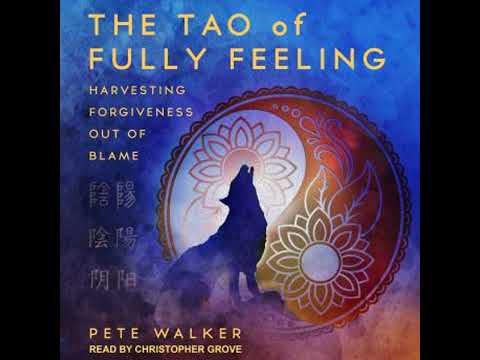
Understanding the Tao of Fully Feeling: A Guide to Emotional Awareness and Integration
Emotions can be a bit like an unexpected rollercoaster ride, right? One minute you’re soaring high, and the next, you’re plunging down. The Tao of Fully Feeling encourages us to embrace our emotions instead of shoving them aside. It’s all about being aware of what we’re feeling and integrating those feelings into our lives.
So, let’s break it down! Here are some key points that help explain this concept:
- Emotional Awareness: This means noticing what you’re feeling in the moment. Like when your heart races during a scary game or you feel joyful when scoring a goal. Being in tune with your emotions is the first step!
- Acknowledgement: Instead of denying those feelings—good or bad—acknowledge them! If you’re sad, it’s okay to sit with that sadness for a bit. You know how sometimes in a game, you need to pause to catch your breath? Life’s like that too.
- Finding Balance: Imagine having all your emotions on one side of a scale—it’ll tip over! Finding balance means honoring both joy and sadness equally. That way, you don’t swing from one extreme to another.
- Integration: This is where things get super interesting! Integrating means taking those acknowledged feelings and using them in your daily life. Like using the adrenaline rush from gaming to tackle tough tasks.
You might be wondering why emotional awareness even matters. Well, think about it this way: if you don’t understand how you’re feeling, how can you express yourself or connect with others? Seriously! Like playing multiplayer games where communication is key—without clear emotional signals, teamwork fails!
I remember once feeling incredibly overwhelmed after a tough week at work. Instead of just pushing through it or pretending everything was fine (which we’ve all done), I decided to really sit with those feelings for a day. I wrote them down and just let myself be sad without judgment. By acknowledging my state, I slowly started figuring out what I needed: rest and self-care.
The Tao teaches acceptance too; yes, even acceptance of difficult emotions like anger or jealousy. They don’t have to take over your life but recognizing them can give power back to you instead of letting them run wild like characters in an open-world game.
If you’re curious about practicing these ideas more deeply (but hey—don’t replace this journey with professional therapy if needed!), here are some simple exercises:
- Journaling: Write about your day and how you felt along the way—it’s super helpful!
- Meditation: Even five minutes focusing on breathing can help ground your feelings.
- Acknowledge Triggers: Notice what lifts or drags down your mood throughout the day; then respond instead of reacting.
The whole point here? Embrace those ups and downs; it’s what makes us human! Mastering emotional awareness might take some time—like leveling up in a challenging game—but it’s totally worth it! Your emotional health deserves attention just like any other part of yourself.
No matter where you’re at on this journey, just remember: it’s okay not to have everything figured out right away!
How Therapy Enhances Emotional Awareness: Understanding the Benefits
Therapy can be a game changer when it comes to *emotional awareness*. You might be asking, what does that even mean? Well, it’s basically about recognizing, understanding, and embracing your feelings. And no, it’s not about whining or being overly dramatic. Many people find it hard to really pinpoint their emotions. It’s like trying to find a needle in a haystack.
So, why is emotional awareness important? Here are some benefits:
- Understanding Yourself Better: Therapy can help you dig deep into your emotional landscape. Remember the last time you felt angry but couldn’t pinpoint why? That confusion is pretty common.
- Improved Relationships: When you’re more aware of your feelings, communication becomes easier. Imagine telling your friend honestly how their actions made you feel instead of bottling it up.
- Stress Reduction: Recognizing and expressing emotions instead of holding them inside can relieve stress. Think about those times you exploded over something small. If you had acknowledged those rising emotions earlier, it might’ve been smoother!
- Better Decision Making: Emotions play a big role in how we make choices. When you understand how you’re feeling about something—like buying that new gadget—you’ll make decisions that align better with what truly matters to you.
Now let me share a little story because I think that really brings this to life! A friend of mine used to struggle with anger management issues. He would just lash out during arguments without even realizing what triggered his frustration. After starting therapy, he learned to identify sensations in his body—a tightness in his chest here or a racing heart there—before he reacted. It opened up an entire new world for him! Instead of flaring up at his partner over small things, he began saying things like: «Hey, I’m feeling overwhelmed right now.» It was a total win-win!
It’s not always easy though; emotional awareness takes time and practice. Therapy provides a space where you can explore these feelings freely without judgment—that’s key! A therapist acts like a guide on this journey toward understanding yourself better.
So whether you’re venturing into therapy for the first time or are already deep into the process, know you’re on the right path towards being emotionally savvy! And while this journey is personal and unique for everyone, it’s essential to remember that therapy *doesn’t* replace professional help or support from loved ones; it complements them.
In the end, embracing emotional awareness through therapy not only enhances your relationship with yourself but also paves the way for deeper connections with others—making life richer and more fulfilling overall!
Understanding Emotional Awareness and Expression Theory: Key Concepts and Applications
Emotional awareness is all about recognizing and understanding your own feelings. It’s like having a radar for your emotions, picking up on what you’re feeling at any given moment. But here’s the catch: just knowing your emotions isn’t enough. You’ve also got to express them in a healthy way. That’s where emotional expression theory comes into play.
So, let’s break it down:
- Emotional Awareness: This is the first step. You need to notice when you’re feeling something. For example, maybe you feel anxious before a big presentation at work. Recognizing that buzz in your stomach makes it a lot easier to deal with.
- Identifying Emotions: There are so many feelings we can experience—happiness, sadness, anger, fear—you name it! Sometimes though, we can mix them up or not even realize what we’re feeling at all. Think of this as categorizing Pokémon; you gotta know which type you’re dealing with!
- Understanding Triggers: What causes these feelings? If someone cuts you off in traffic and makes you rageful, understanding the trigger helps you focus on why you’re feeling that way instead of just reacting.
- Healthy Expression: Once you know your emotions and their triggers, it’s about how you express them. Shouting at someone usually isn’t the best move! Instead, channeling that anger into sports or writing can be more beneficial.
When I think of emotional awareness, I remember a time my friend got incredibly frustrated during a board game night because he kept losing. Instead of blowing up or getting silent—which tends to happen—he took a moment to express how he felt about losing and why it mattered to him. By doing that, he opened up a conversation about competitiveness without creating tension.
The application of this awareness is useful everywhere!
- Workplace Dynamics: Being aware of emotions can lead to better teamwork. If one team member understands their frustration over deadlines and shares it openly, others can help lighten the load.
- Relationships: Whether it’s friendships or romantic relationships, when both people understand their emotional states and express them honestly, communication improves significantly.
- Mental Health: Tracking emotions can help in therapy too! Many therapists encourage clients to keep journals reflecting on their feelings and experiences.
Incorporating this kind of emotional intelligence into daily life enhances overall well-being—seriously! It promotes healthier relationships and reduces stress.
However—let’s not forget—embracing emotional awareness doesn’t replace professional help if you’re dealing with deeper issues or mental health concerns. Still though, being aware of your emotions is definitely an empowering step toward leading a more fulfilled life!
So there you have it! Emotional awareness and expression aren’t just buzzwords; they’re keys to understanding yourself better and interacting more effectively with those around you. It feels good realizing that our feelings matter—and when we embrace this journey wholeheartedly? Wow! It can transform how we navigate this rollercoaster called life!
So, you know how sometimes you just get hit with a wave of emotions, and it feels like a rollercoaster? One minute you’re riding high, and the next, bam! You’re in the depths of despair. It’s like, what even happened? We all go through this, right? But here’s the thing: what if we could just chill for a second and actually feel those emotions instead of pushing them away or pretending they don’t exist?
That’s where this concept of emotional awareness comes in. It’s all about embracing what you feel in that moment—like really feeling it. Imagine being at a family get-together and suddenly feeling overwhelmed by happiness mixed with a tinge of sadness as you remember someone who isn’t there anymore. Instead of shoving that feeling down or getting distracted by phone notifications, what if you just sat with it? Sounds scary, huh? But it can be liberating.
I remember one time after my dog passed away. I was trying to act tough around friends, cracking jokes about how he ate my shoes more than once. But later that night, when I was alone, the reality hit me hard. I felt sorrow wash over me like waves crashing on the shore. And instead of fighting it off or minimizing it, I let myself cry. Honestly? It felt so cathartic to embrace those raw emotions instead of locking them up.
Emotional awareness isn’t just about big life events though; it’s also in your everyday experiences. Think about anger when someone cuts you off in traffic or joy when you finally nail that recipe you’ve been trying forever. When you’re aware of your feelings—without judgment—you start seeing patterns. You might notice that anger often hides hurt or insecurity; maybe joy appears after you’ve achieved something big but also after small wins like finishing that book you’ve been meaning to read.
The interesting part is how we often think we need to control our feelings as if they’re these wild animals ready to run amok! But what if I told you they’re not so scary when you give them space? It’s kind of like inviting them over for tea instead of slamming the door shut.
So yeah, embracing emotional awareness is like learning a dance with your feelings—you step back sometimes and sway forward other times. And while this doesn’t mean every emotion will feel great (because some are pretty heavy), it does mean you’re giving yourself permission to be fully human and real.
In the end, understanding how you’re feeling can lead to deeper connections with not only yourself but others too. So next time those feelings hit hard—and trust me they will—try leaning into them rather than running away! After all, life is too short not to feel every single bit!