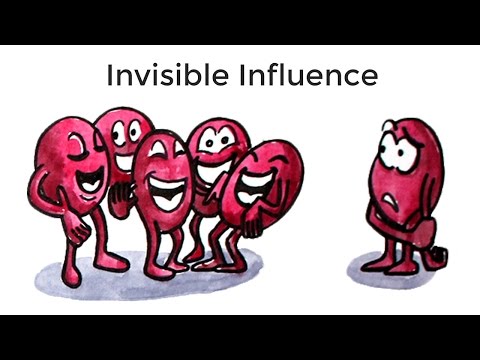
Have you ever felt judged for something you just couldn’t help? Yeah, me too. It’s that weird mix of frustration and sadness, right?
Este blog ofrece contenido únicamente con fines informativos, educativos y de reflexión. La información publicada no constituye consejo médico, psicológico ni psiquiátrico, y no sustituye la evaluación, el diagnóstico, el tratamiento ni la orientación individual de un profesional debidamente acreditado. Si crees que puedes estar atravesando un problema psicológico o de salud, consulta cuanto antes con un profesional certificado antes de tomar cualquier decisión importante sobre tu bienestar. No te automediques ni inicies, suspendas o modifiques medicamentos, terapias o tratamientos por tu cuenta. Aunque intentamos que la información sea útil y precisa, no garantizamos que esté completa, actualizada o que sea adecuada. El uso de este contenido es bajo tu propia responsabilidad y su lectura no crea una relación profesional, clínica ni terapéutica con el autor o con este sitio web.
Social stigma is like this invisible weight we carry around. It’s everywhere—at school, work, even at home sometimes. You know what I mean?
It can make us feel isolated or misunderstood, and honestly, it sucks. But why does it happen? And how does it mess with our heads?
Let’s unpack this together. It’s kind of a bumpy ride, but it’s worth it, so stick around!
Understanding Social Stigma: Real-Life Examples and Their Psychological Impact
Social stigma is like that annoying cloud that hangs over certain groups of people in society. It’s a negative stereotype that can lead to prejudice and discrimination. You know, when someone’s treated differently just because of who they are or a specific trait? That’s social stigma, plain and simple.
When we talk about the **psychological implications** of social stigma, it can really mess with people’s heads! I remember a friend of mine named Alex who struggled with anxiety. He hesitated to seek help because he feared being judged. Instead of getting support, he felt trapped by his own mind. Can you see how that works? The fear of stigma kept him from living his best life.
So, let’s break this down into some key points:
- Negative Self-Perception: When someone is stigmatized, they might start to believe those negative things about themselves. It’s like playing a video game where every time you get knocked down, your character thinks they’re weaker than they really are.
- Isolation: Stigmatized individuals often feel alone. Imagine trying to beat a level in a game but realizing your friends won’t play with you because they think it’s “uncool.”
- Avoidance Behavior: People may avoid situations where they might be judged. Like skipping school because you’re worried about what others will say about your mental health struggles.
- Increased Stress and Anxiety: Constantly worrying about judgment can lead to heightened stress levels. It’s like having that ticking countdown in a game making your heart race!
- Poor Mental Health Outcomes: Stigma is linked to higher rates of depression and anxiety disorders. That weight just keeps piling on until it feels impossible to break free.
The truth is, social stigma doesn’t just hurt individuals; it impacts entire communities too. When people feel marginalized, the community suffers as well—like losing players in a team game where everyone needs each other.
Take mental health issues as an example. Many still face stigma around seeking help for conditions like depression or anxiety. They might even feel pressured into silence instead of opening up—just like Alex did! This creates barriers not only for them but also for society as a whole.
And here’s something else: social media plays both sides! It can amplify stigmas but also spread awareness and support groups at the same time. Think of the countless hashtags encouraging people to share their stories or reach out for help; it’s pretty powerful stuff.
But here’s an important reminder: if you or someone you know is struggling with any kind of stigma-related issues, **reaching out for professional help** isn’t just okay—it’s actually brave! The more we talk openly about these topics, the better equipped we’ll be to fight against that pesky social stigma cloud hanging overhead.
So yeah, let’s keep the conversations going and work towards understanding each other better! In the end, everyone deserves respect and acceptance—no matter what challenges they’re facing.
Understanding Social Stigma: Its Psychological Impact and Implications
Social Stigma is a term that pops up a lot these days. It refers to the negative attitudes and beliefs that people have about others based on certain characteristics, traits, or behaviors. Think about it like this: if someone has a mental health issue, society might label them as “crazy” or “weak.” This labeling can create feelings of shame and isolation, which I mean, no one wants to feel.
Let me tell you a quick story. I had a friend in college who struggled with anxiety. When she opened up about it, some classmates started to avoid her like the plague. It was heartbreaking to watch her go from vibrant and social to withdrawing into herself because of the way people reacted. That’s the power of social stigma in action.
The psychological impact of social stigma can be pretty intense. Here are some key points to consider:
- Low Self-Esteem: When you’re labeled negatively, it often leads to feelings of worthlessness. You might start doubting yourself and your abilities.
- Anxiety: Just like my friend experienced, being stigmatized can lead to increased anxiety levels. You might feel scared about how others will perceive you.
- Depression: Social stigma often contributes to feelings of sadness and hopelessness. The isolation people feel can lead them down into deeper emotional trenches.
- Avoidance: Many individuals might avoid seeking help due to fear of judgment. This means they suffer in silence instead of getting the support they need.
Isn’t it wild how powerful words and judgments can be? They affect not just how we view others but how we view ourselves too.
Another interesting angle is how stigma operates in different settings—like workplaces or schools. Imagine being at work where everyone talks behind your back about your struggles with addiction or mental health issues. It creates an environment where you feel unwelcome and stressed out every single day.
Moreover, stigma doesn’t stop at individuals; it has broader implications for society too! It affects public health—when people don’t seek treatment because they fear being judged, diseases spread more easily.
You know what? Games sometimes reflect these dynamics really well! Consider role-playing games where characters face certain prejudices based on their backgrounds or abilities; players get a chance to see firsthand what discrimination feels like while also fostering empathy.
Just remember: if you’re facing any form of stigma yourself, reaching out for help isn’t weakness; it’s actually strength! Talking things over with someone who gets it—a friend or a professional—can make a huge difference.
To wrap this up: social stigma has deep psychological impacts that ripple through individuals and communities alike. These impacts range from low self-esteem to increased anxiety and even societal challenges related to public health. And though I’m not a professional therapist here giving advice, acknowledging this issue is the first step towards change—for both ourselves and society as a whole!
Understanding Mental Health Stigma: A Comprehensive Guide in PDF Format
Sure! Let’s chat about mental health stigma, shall we? It’s a big topic, and it affects a lot of people. So, what even is social stigma? Basically, it’s this fancy term for the negative attitudes and beliefs that society holds about certain groups. When it comes to mental health, people often think negatively about those experiencing mental illness. This can lead to feelings of shame or isolation.
Now, let’s break down some key points about how this stigma works and what it really means.
- Misunderstanding mental health: A lot of times, folks just don’t get what mental illness really is. They might think it’s just «in your head» or that you can will yourself to be better. Seriously, it’s not that simple!
- Stereotypes: People might see someone with depression as lazy or think someone with anxiety is just overly dramatic. These stereotypes are hurtful and make it tough for people to speak up.
- Fear of the unknown: If you’ve never dealt with mental illness yourself or seen someone close to you struggle with it, you may not know how to react. That fear can turn into stigma.
- Media portrayal: Movies and TV often stereotype individuals with mental illness. Think of those characters who are depicted as violent or unpredictable—it’s not realistic! This reinforces negative views in real life.
You know how in video games there are characters who seem misunderstood? Like the villain who turns out to have a tragic backstory? Well, society sometimes treats those dealing with mental health issues like they’re the “bad guys.” It paints a wrong picture!
Now let’s talk about the psychological implications of this stigma. And these can really impact someone’s life.
- Avoidance of treatment: If someone feels judged because of their condition, they might avoid seeking help altogether. Imagine feeling so low but fearing what others would think?
- Low self-esteem: Constantly facing stigma can chip away at your self-worth. It’s tough when society sends messages that you’re not good enough because of your struggles.
- Anxiety and isolation: The fear of being judged often leads people to hide their feelings instead of reaching out for support. It gets lonely out there!
There was a friend I had once who struggled with anxiety but kept it quiet because she was scared people wouldn’t understand her struggles. She ended up feeling completely alone until she found a supportive group where everyone shared their experiences openly.
So what do we do about all this? Well, awareness is huge! When folks start discussing mental health openly—like it’s no big deal—it feels less scary for everyone involved.
- Education: Learning about mental illnesses helps demystify them and break down myths.
- Sparking conversations: Talking about our own experiences can create an environment where others feel comfortable sharing theirs too.
- Saying no to stereotypes: Every person has their own story; let’s recognize that!
In the end, remember that while discussing these topics is super important—it’s equally essential to seek professional help if you or someone you know is struggling with these issues. Stigma might be real but so is support! Never hesitate to reach out for guidance from a trained professional when needed.
You know, social stigma—it’s a heavy topic. It’s like this dark cloud that hangs over specific groups of people, affecting how they live their lives. Basically, social stigma happens when society labels someone based on certain characteristics or behaviors, and that label sticks. Think about it: race, mental health issues, sexual orientation—these are just a few examples where stigma can rear its ugly head.
I remember chatting with a friend who opened up about his struggles with anxiety. He mentioned how he felt this pressure to act “normal” all the time. Sometimes he’d even avoid sharing his feelings because he feared judgment. It’s heartbreaking, really! When someone feels like they have to hide a part of themselves just to fit in, it says so much about the stigma surrounding mental health.
Let’s break it down a bit more. When people face social stigma, it might make them feel isolated and alone. You might think twice about reaching out for help or joining activities because you worry what others will think. And let me tell you—this can lead to serious consequences like depression or low self-esteem. That hurts!
And here’s the kicker: when we stigmatize individuals or groups, we’re often perpetuating cycles of negativity and misunderstanding. It’s like passing down an old family recipe—only this one is filled with prejudice instead of love! By holding onto these biases and stigmas, we miss out on connecting with amazing people who simply want to be accepted for who they are.
So what can we do? Well, awareness is key! Talking openly about our differences breaks down those barriers little by little. The next time you come across someone who’s facing social stigma—whether it’s related to mental health or something else—just remember that everyone has a story worth hearing.
All in all, it’s important to reflect on our language and actions because they hold power. Let’s lift each other up instead of allowing those negative labels to define us—or anyone else—for that matter! Take a moment to think about how you can contribute positively in your everyday life—I promise you it’ll make a difference for someone out there!