Hey, you! Ever felt that weird chill when people treat others differently just because of who they are or where they come from? It’s like this invisible wall that pops up, right?
Este blog ofrece contenido únicamente con fines informativos, educativos y de reflexión. La información publicada no constituye consejo médico, psicológico ni psiquiátrico, y no sustituye la evaluación, el diagnóstico, el tratamiento ni la orientación individual de un profesional debidamente acreditado. Si crees que puedes estar atravesando un problema psicológico o de salud, consulta cuanto antes con un profesional certificado antes de tomar cualquier decisión importante sobre tu bienestar. No te automediques ni inicies, suspendas o modifiques medicamentos, terapias o tratamientos por tu cuenta. Aunque intentamos que la información sea útil y precisa, no garantizamos que esté completa, actualizada o que sea adecuada. El uso de este contenido es bajo tu propia responsabilidad y su lectura no crea una relación profesional, clínica ni terapéutica con el autor o con este sitio web.
That’s social stigmatism for you. It’s a big word but basically, it’s all about how society sees and judges people. And honestly, it can affect lives in a major way.
Let me tell you, it’s not just a topic for textbooks. It hits home and impacts people on the daily. So, grab your coffee or tea, and let’s chat about what it means and why it matters!
Understanding the Social Process of Stigma: Insights and Implications
Stigma is one of those things that can really mess with how we see ourselves and others. It’s like an invisible weight that pushes down on people, especially those facing mental health issues, certain illnesses, or different identities. You know, it’s when society labels someone as “less than” because of something they can’t always control.
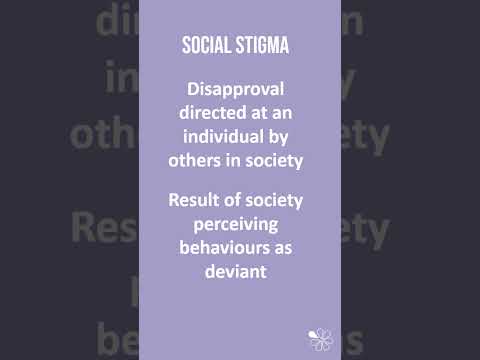
So, what exactly is social stigma? At its core, it’s a negative attitude or stereotype attached to a particular group of people. Think about how in games, characters with special abilities often get treated differently — sometimes admired, other times mocked. This mirrors real life when someone is viewed through the lens of a condition or characteristic.
Here are some key points to consider:
- Labeling: It starts with labeling individuals based on their traits—like calling someone «crazy» for having a mental illness.
- Stereotyping: Next up is stereotyping. This means assuming all people in that category share the same traits or behaviors.
- Separation: It creates a divide between “us” and “them,” leading to exclusion or isolation.
- Discrimination: Finally, this all results in discrimination, where individuals face unfair treatment based on these labels.
You might ask yourself why this matters? Well, the implications are huge! Stigmatizing environments can lead to increased anxiety and depression among those being stigmatized. I remember a friend who was really talented but shied away from showing his art because he feared being judged for not fitting the «mold» of what a successful artist should be like. It’s heartbreaking when talent goes unseen because of stigma.
It’s also critical to realize that stigma can have wide-reaching consequences beyond just the individual affected. When communities stigmatize certain groups, they miss out on potential contributions from diverse perspectives. Just think about it: if everyone felt comfortable sharing their ideas without fear of judgment—wow! We could create amazing things together!
So what do we do about it? Here are some thoughts:
- Education: Start by educating yourself and others about the realities behind stigmatized conditions.
- Language: Use language carefully! Small changes in how we speak can significantly shift perceptions.
- Support: Be supportive! Stand up against stigma when you see it; your voice matters!
At the end of the day, awareness and understanding are key. Navigating stigma isn’t just about individuals; it’s about creating healthier societies where everyone feels valued and accepted—just like winning together in a co-op game makes you feel part of something bigger.
Remember though—if you’re feeling overwhelmed by these issues yourself—or if you know someone who is—it’s super important to reach out for professional help. That support can make all the difference in breaking free from stigma’s grip.
Understanding Stigma as a Social Phenomenon: Insights from Psychology
Stigma is one of those words you hear tossed around a lot, but what does it really mean? Essentially, it’s all about how society views and treats people who are different. This can relate to mental health issues, physical disabilities, or even lifestyle choices. Imagine walking around with a big sign over your head that says “I’m not like you!” It can feel pretty heavy, right?
Now, let’s talk about social stigmatism. This refers to the negative attitudes and beliefs that society holds towards certain groups. It’s like having a cloud of judgment hanging over people who fit specific criteria. So when you think of social stigmatism, picture how someone with a mental illness might be treated differently than someone without one.
- Stereotypes come into play here. They’re these oversimplified ideas we have about people. For instance, there’s this stereotype that individuals with depression are just lazy or don’t want help.
- Discrimination follows closely behind stereotypes. This is when those biased beliefs lead to unfair treatment. Think of someone not getting hired because they were upfront about their anxiety.
- Labeling theory explains that once someone is labeled negatively by society, it becomes a huge part of their identity—even if it doesn’t reflect who they really are.
What’s wild is how stigma can spread across various areas of life—jobs, relationships, even the health care system! When people worry about being judged, they often avoid seeking help altogether. And hey, I get it; nobody wants to be the “problem” in the room.
Let me share a quick story. A friend of mine struggled with anxiety for years but never told anyone. She thought if she admitted it out loud, people would see her as weak or less capable at work. One day after feeling overwhelmed during a meeting—she finally opened up to her boss and surprisingly found support instead of judgment! That moment changed things for her; she realized stigma is often rooted in fear and misunderstanding.
Understanding stigma means recognizing its implications too. Stigma creates barriers—not just for those affected but for society overall. If people can’t speak openly about their struggles due to fear of being judged or dismissed—it remains hard for everyone to move forward together.
All in all, learning more about these societal attitudes can boost empathy and support systems for those dealing with various challenges! It reminds us that everyone has their own battles—even if they aren’t visible on the surface.
So next time you encounter someone who’s struggling or behaving differently—take a moment to think about where they’re coming from instead of jumping straight to conclusions or stereotypes! You might just help chip away at that stigma little by little.
Remember though—this info doesn’t replace professional help if you’re dealing with serious stuff yourself or know someone who is going through tough times!
Understanding Social Stigmatism: Definition, Meaning, and Psychological Implications
Social stigmatism, or social stigma, is a big deal in psychology and it affects how people perceive themselves and others. Basically, when someone has a characteristic that society deems negative, they can be unfairly judged or excluded. This can happen because of things like mental health issues, addiction, race, or even just being different in some way.
What is Social Stigmatism?
At its core, social stigmatism involves labeling people based on stereotypes. It’s like putting them in a box that’s hard to escape from. For example, if someone struggles with anxiety, they might be seen as weak or unreliable. Ouch! This perception isn’t just hurtful; it often leads to **self-stigma**, where individuals begin to believe these negative labels about themselves.
Psychological Implications
When you think about social stigma, you can’t ignore its psychological effects. Here are some key points on how it messes with our minds:
- Low Self-Esteem: Constantly feeling judged can chip away at your self-worth.
- Anxiety and Depression: The pressure to fit into societal norms can lead many to experience heightened anxiety or even depression.
- Avoidance: People might avoid situations or groups where they feel they won’t be accepted.
- Isolation: Feeling excluded can lead many individuals into loneliness—you know that feeling when you’re in a group but still feel all alone?
It’s kind of like playing an online game where other players keep calling you names for not fitting the meta. Over time, you might just log off altogether because who wants to deal with that negativity?
Real-Life Example
Here’s a story that hits close to home: I had a friend who struggled with depression for years. Every time he opened up about it, people would say things like “Just cheer up!” or “It can’t be that bad!” Those comments made him feel isolated and misunderstood. He started avoiding social situations because he feared judgment—the ultimate effect of **stigma**.
Coping Strategies
So how do we tackle this whole thing? Awareness is key! Recognizing that stigma exists is the first step toward change. Here are some ways we can combat social stigmatism:
- Sparking Conversations: Open discussions about mental health can break the ice and challenge stereotypes.
- Sensitivity Training: Schools and workplaces should hold programs to educate others about stigma’s effects.
- Support Each Other: Creating safe spaces where people feel valued helps everyone breathe easier.
Remember though: if you’re experiencing extreme feelings related to stigma, talking to a professional really helps! That emotional support matters big time.
In the end, social stigmatism isn’t just an academic term; it’s part of our everyday lives and its impact runs deep. By understanding it better and supporting one another through kindness and knowledge—we start chipping away at those unhelpful labels together!
Social stigmatism, huh? It’s one of those topics that can be both heavy and eye-opening. Simply put, it refers to the negative attitudes and beliefs that society holds about certain people or groups. You see it everywhere—people getting judged for their mental health struggles, lifestyle choices, or even things like their race or sexual orientation. It’s like society has a way of labeling folks and, honestly, it can be pretty brutal.
Picture this: a friend of mine used to hide her anxiety because she was scared of what others would think. She didn’t want to be seen as «weak» or «crazy.» Can you imagine having to carry that burden? It’s exhausting! The thing is, this stigma doesn’t just affect her—it spreads out into every corner of life, making people less likely to seek help when they really need it. Crazy, right?
This stigma often leads to discrimination—where individuals aren’t just looked down upon but are actively pushed aside. It’s like being put in a box labeled “different” and then left out of the fun stuff. People dealing with this can end up feeling isolated and hopeless. And here’s where it gets really tricky: because they feel alone, it often makes their challenges much worse!
It’s wild when you think about how we all have our own battles. I mean everyone is fighting something underneath the surface; but social stigmatism stops us from connecting on a deeper level. You might not even realize how many friendships you could build if we just dropped those judgmental labels.
So what happens next? Well, societal change is tough but not impossible! Education plays a massive role in how we view things—when we talk openly about mental health or social issues rather than whispering behind closed doors, we start chipping away at those stigmas.
At the end of the day, fighting against social stigmatism means supporting each other. It’s about creating safe spaces where everyone can share their stories without fear of judgment. You know what I mean? When we lift each other up instead of tearing each other down, we make the world a little brighter for everyone involved! How beautiful is that thought?

