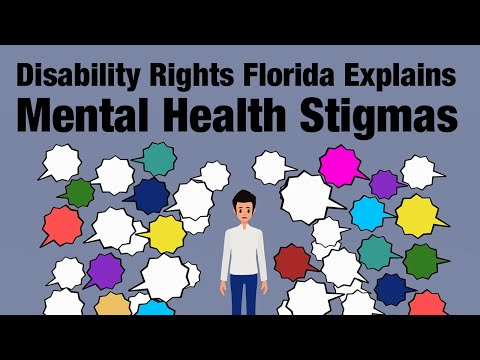
You know, mental health stigma is one of those things that just hangs around, like an unwanted guest at a party. It’s that weird feeling in the air when someone mentions a mental health issue. You can almost hear the crickets chirping.
Este blog ofrece contenido únicamente con fines informativos, educativos y de reflexión. La información publicada no constituye consejo médico, psicológico ni psiquiátrico, y no sustituye la evaluación, el diagnóstico, el tratamiento ni la orientación individual de un profesional debidamente acreditado. Si crees que puedes estar atravesando un problema psicológico o de salud, consulta cuanto antes con un profesional certificado antes de tomar cualquier decisión importante sobre tu bienestar. No te automediques ni inicies, suspendas o modifiques medicamentos, terapias o tratamientos por tu cuenta. Aunque intentamos que la información sea útil y precisa, no garantizamos que esté completa, actualizada o que sea adecuada. El uso de este contenido es bajo tu propia responsabilidad y su lectura no crea una relación profesional, clínica ni terapéutica con el autor o con este sitio web.
But here’s the deal: stigma affects real people in real ways. It can stop someone from getting help or even just sharing what they’re going through. That’s so unfair, right?
Imagine having something weighing you down and feeling you can’t talk about it, just because of how others might react. It’s tough! Let’s break it down together and understand what this stigma really means and how we can start chipping away at it. Are you with me?
Understanding the Core Elements of Mental Health: Key Concepts Explained
Mental health is one of those things that, honestly, we can’t ignore. It’s like the air we breathe. You don’t think about it until something feels off. One of the big hurdles many people face is **mental health stigma**. Let’s break this down in a way that feels real.
Mental Health Stigma Defined
So, what even is this stigma? It’s basically negative attitudes and beliefs about mental health issues. Imagine if every time you talked about feeling sad, people looked at you funny or said something like “just toughen up”. Ouch! That’s stigma at work. It makes people hesitant to reach out for help or even talk about what they’re going through.
Types of Stigma
There are a couple of types of stigma to keep in mind:
- Public Stigma: This is what society thinks about mental health issues. If your friends or family think you’re weak for feeling anxious, that’s public stigma.
- Self-Stigma: This happens when those negative beliefs seep into your own head. You start thinking maybe you really are weak for having depression or anxiety.
- Institutional Stigma: When organizations (like workplaces or schools) create policies that make things harder for people with mental health issues.
Think about it like a video game where the odds are stacked against you just because of who you are. You know, imagine trying to play your favorite game but there’s this invisible barrier stopping you from getting to the next level? Super frustrating!
The Effects of Stigma
Now, let’s talk about why stigma really matters. It can lead to:
- Avoidance of Treatment: When you feel judged, it makes asking for help feel impossible.
- Social Isolation: Fear of being judged can push people away from their friends and loved ones.
- Increased Suffering: Not addressing mental health issues can make them worse over time.
When I was in college, I remember a friend who felt overwhelmed by anxiety but never wanted to talk about it because he was scared people would think less of him. It broke my heart seeing him struggle alone!
Busting the Stigma
Here’s where things get hopeful! There’s a lot we can do to take down that stigma:
- Education: Learning more about mental health helps everyone understand it better and reduces fear.
- Telling Stories: Sharing personal experiences opens up discussions and helps others feel less alone.
- Advocacy: Standing up against negative stereotypes when you hear them makes a difference!
Every time someone speaks out about their struggles, it’s like leveling up in this game together!
The Bottom Line
Mental health matters just like physical health does—if you’re feeling off, don’t hesitate to reach out! Remember that this info isn’t a substitute for professional help; it’s just here to shed some light on this important topic.
By facing stigma head-on and supporting each other, we can create an environment where everyone feels safe talking about their mental health without fear or shame. And trust me—it’ll make all the difference!
Understanding the 7 Types of Stigma: A Clear Guide for Awareness and Action
Stigma can be a heavy word, especially when it comes to mental health. It creates barriers for those who need help, making it harder for them to seek support or feel understood. Let’s break down some of the types of stigma you might encounter. You with me?
1. Public Stigma
This is the stigma that society as a whole holds against individuals with mental health issues. Think about the stereotypes you might have heard, like people with depression just being lazy or struggling with anxiety meaning you’re weak. These misconceptions can lead to discrimination and isolation.
2. Self-Stigma
This one hits home more personally. It’s when individuals internalize the negative beliefs and attitudes about mental health from society. It’s like looking in a mirror and only seeing your flaws rather than your strengths. You might think, “I’m unworthy because I have anxiety,” which can make it super challenging to reach out for help.
3. Institutional Stigma
Institutions, like workplaces or schools, may unintentionally create an environment that stigmatizes those needing help. For example, if a workplace has strict policies that don’t allow for time off for mental health days but only physical illnesses, it sends a clear message: mental health isn’t important.
4. Labeling Stigma
When people are labeled by their mental health condition—like calling someone “the depressed one” instead of seeing them as an individual—this can be damaging too. Labels reduce people to just one aspect of their lives and ignore their complexities as humans.
5. Courtesy Stigma
This refers to the stigma experienced by friends and family of someone with a mental illness. Imagine your buddy gets diagnosed with something like schizophrenia; you might start feeling awkward at social events because people could judge you too for associating with them.
6. Cultural Stigma
Different cultures have different beliefs about mental illness which informs how individuals within those cultures view others and themselves when dealing with these challenges. Some cultures might still see therapy as taboo or believe that talking about feelings makes you weak, which can prevent people from accessing needed support.
7. Professional Stigma
Even within healthcare systems, there can be stigma! Some professionals may carry biases against certain conditions, leading to misdiagnosis or inadequate treatment options simply because they don’t understand a specific disorder fully.
So how do we tackle this? It starts with open discussions and raising awareness! When we talk about our experiences—whether through conversations, blogs, or even through social media—we chip away at these stigmas little by little.
For instance, think of video games where characters face internal battles akin to those in real life—like “Celeste,” where climbing is metaphorical for overcoming anxiety and depression challenges—it humanizes these struggles beautifully!
Remember though: this info doesn’t substitute professional help if you’re struggling; always reach out to someone who can provide what you need! We all need support sometimes—it’s what makes us human after all!
Real-World Examples of Stigma in Mental Health and Their Impact on Individuals
Mental health stigma is rough, and it shows up in many ways. Basically, it’s when people have negative attitudes toward those with mental health issues. This stigma can keep someone from seeking help or even talking about what they’re going through. Let’s break this down a bit more and check out some real-world examples, along with their impacts.
1. Discrimination in the Workplace
Imagine you’ve been working hard at your job for years, but then you start to feel overwhelmed by anxiety or depression. You hesitate to tell your boss about it because you’re scared of losing your job or being treated differently. Sadly, this fear isn’t unfounded. Many people face discrimination at work due to their mental health struggles.
So someone might find themselves passed over for a promotion simply because their employer believes that mental illness indicates they won’t perform well. In fact, research suggests that individuals with mental health conditions often have the same if not better performance levels than others.
2. Social Isolation
Let’s think about a scenario where a friend has been diagnosed with bipolar disorder. Suddenly, you notice fewer invites to social gatherings from mutual friends. People may be unaware, but the stigma surrounding mental illness can lead to social isolation for those affected.
When friends pull away or react awkwardly upon hearing about someone’s condition, it reinforces feelings of loneliness and despair in the individual facing these challenges.
3. Stereotyping in Media
You know how movies sometimes portray characters with mental illnesses as dangerous or unpredictable? This kind of representation contributes to stigma big time! The media often exaggerates certain traits which leads the general public to associate mental illness with violence or unpredictability.
This can seriously affect public perception and make those living with these conditions feel misunderstood and fearful of judgment from others. A classic example is how various video games depict characters battling against “monsters” as a metaphor for their inner struggles; sometimes it paints mental illness in a haunting light instead of as something that many deal with patiently every day.
4. Internal Stigma
Now, let’s talk about something called internalized stigma. This happens when individuals start believing the negative things society says about them due to their mental health challenges. For instance, if someone struggling with depression thinks they’re weak just because they need help, this can create a vicious cycle of shame and reluctance to seek support.
It’s heartbreaking because those feelings only make things worse rather than motivating change or healing!
5. Barriers to Treatment
Because of stigma, many people delay seeking treatment or don’t seek help at all! They may worry what others would think if they go see a therapist or psychiatrist; sometimes they might even convince themselves that it’s not worth it—“I’ll just manage on my own.”
But here’s the kicker: this can seriously impact overall well-being! People miss out on effective coping strategies that could turn their lives around.
All in all, addressing mental health stigma isn’t just important; it’s essential for creating an environment where individuals feel safe reaching out for help without fear of judgment or exclusion. Remember though—if you’re struggling with your own mental health issues, please talk to someone who can help! Your feelings matter more than any stigma out there!
Okay, so let’s chat about mental health stigma. You know, that weird thing that happens when people start whispering or pulling away from someone just because they have a mental health issue? It’s like this invisible wall between those who are “normal” and those who are struggling. The reality is that mental health stigma can be really harmful.
Picture this: my friend Sam has been dealing with anxiety for years. When he finally opened up about it, some folks didn’t know how to react. Some friends tried to cheer him up in a way that felt dismissive, like it was just a phase or something he could “snap out of.” Others started avoiding him altogether, which hurt more than any words could express. So you see? Stigma isn’t just an abstract idea; it’s very real for many people.
Now, let’s break it down a bit. Mental health stigma has two sides: public stigma and self-stigma. Public stigma is what you encounter out there in the wild – like stereotypes or negative reactions from society. It’s all those misconceptions that lead to judgment and isolation. For instance, many might think someone with depression is just lazy or attention-seeking when that’s far from the truth.
On the flip side, there’s self-stigma, which is when individuals internalize those negative beliefs about themselves because of what they hear or see in society. Like Sam—he started doubting himself and his worth because of how some people reacted to him talking about his anxiety. Instead of feeling supported, he felt ashamed.
But here’s a glimmer of hope: awareness is growing! People are talking more about mental health these days (thank goodness!) and calling out their own experiences can help chip away at that wall of stigma bit by bit.
It’s honestly kind of brave to speak up about your mental health struggles—you’re not alone in this journey! So if you ever find yourself in a spot where you feel judged for what you’re going through—or worse, judging others—maybe pause and think about how it would feel if the tables were turned.
At the end of the day, we’re all human beings trying to navigate life’s ups and downs together. Maybe we could start treating mental health with the same care as physical health; after all, they both matter!