You know what? Context matters more than we think. Seriously!
Este blog ofrece contenido únicamente con fines informativos, educativos y de reflexión. La información publicada no constituye consejo médico, psicológico ni psiquiátrico, y no sustituye la evaluación, el diagnóstico, el tratamiento ni la orientación individual de un profesional debidamente acreditado. Si crees que puedes estar atravesando un problema psicológico o de salud, consulta cuanto antes con un profesional certificado antes de tomar cualquier decisión importante sobre tu bienestar. No te automediques ni inicies, suspendas o modifiques medicamentos, terapias o tratamientos por tu cuenta. Aunque intentamos que la información sea útil y precisa, no garantizamos que esté completa, actualizada o que sea adecuada. El uso de este contenido es bajo tu propia responsabilidad y su lectura no crea una relación profesional, clínica ni terapéutica con el autor o con este sitio web.
Ever found yourself choosing one thing over another just because of how it was presented? Like, when you see a burger advertised as “90% lean” instead of “10% fat.” It just feels healthier, right?
That’s the framing effect at play! It’s all about how information is packaged.
But you know what’s wild? This little trick influences our choices in ways we often don’t even notice.
So, let’s chat about how context shapes our decisions and why you should care. You might be surprised at just how much!
The Framing Effect: How Context Influences Decision-Making with Real-Life Examples
You know when you’re sitting there, trying to make a choice and everything feels a bit off? That’s where the framing effect comes in! It’s this sneaky little thing where the way information is presented can totally change how you see your options. It’s like holding up two mirrors; one makes you look great, and the other? Not so much.
Let’s break it down. Say you’re at a restaurant. You see two dishes: one says “80% lean meat” and the other “20% fat.” Which do you think sounds tastier? Most people will go for the first one, but they’re basically the same thing! The truth is, it’s all about how info is framed.
Think about decisions in daily life too. The context matters. If someone tells you a car has “95% safety rating,” that sounds awesome! But if they say “5% chance of failure,” suddenly the same car looks a bit risky. Wild, huh?
And here’s where it gets even more relatable: imagine playing a game with friends—maybe something competitive like poker or board games. You might feel more comfortable making riskier plays if your buddy framed it as an opportunity to win big rather than just saying you could lose. And that’s why people often find themselves taking those leaps of faith in games.
Now let’s hit some key points:
- Language matters: The words used can change our perceptions completely.
- Loss vs gain: People fear losses more than they crave gains, which can make them hesitant.
- Real-life consequences: In healthcare, framing treatment options can affect patient choices about their health.
Imagine this scenario: if you’re told there’s a 70% chance of surviving surgery versus saying there’s a 30% chance of failure, most folks will lean toward doing it when they hear survival rates framed positively.
In relationships too, framing plays a role! If someone says, “I always appreciate when you help with chores,” it feels great! But if they’re like “You never help out!” that might lead to defensiveness instead of cooperation.
So to wrap this up nicely—context shapes our choices in ways we often don’t realize. What seems like simple wording or perspective can tip the scales in decision-making. And hey, while this stuff is fascinating and helpful to know, it’s not meant to substitute for talking things through with a professional if you’re feeling stuck or overwhelmed.
Next time you’re making decisions—big or small—take a moment to think about how they’re being framed. It could make all the difference!
Understanding the Framing Effect: Clear Examples and Implications
The framing effect is a fascinating psychological phenomenon. It’s all about how the way information is presented can shape our decisions. You know what? Just changing the wording can totally shift your perception. It’s like saying, “This beef is 80% lean” versus “This beef has 20% fat.” They’re technically the same thing, but how you hear it makes a difference.
Here’s where it gets interesting: the framing effect doesn’t just apply to simple scenarios. It pops up in healthcare decisions, marketing strategies, and even during your favorite games! For example, when players in a game have to choose between saving a character or letting them go based on different descriptions of consequences, their choice often hinges on how those consequences are framed.
- Healthcare Choices: Imagine you’re deciding on a treatment. If one option is framed as having a “90% survival rate” versus another with “10% mortality rate,” research shows many people prefer the first option.
- Marketing: Companies often use this to their advantage. For instance, if you see a cereal ad that says “9 out of 10 kids love this cereal,” you might feel more inclined to buy it compared to an ad that states “1 out of 10 kids dislike it.”
A neat little study once had participants guess how likely they were to win at a game based on two different statements about odds. Those who heard «You have an 80% chance of winning!» felt much more optimistic than those who heard «20% chance of losing.» Same stats, but totally different vibes!
So why does this matter? Well, understanding framing can help us make better choices in life—especially when it comes to important decisions related to finance or health. If we recognize that our choices might be influenced by how options are presented, we can question our initial reactions and dig deeper.
Oh! And think about politics too—candidates know how vital framing is. They spin facts in ways that resonate with voters’ feelings and beliefs.
- Your Personal Choices: Next time you’re faced with options in your everyday life—like picking which phone plan works for you—consider how each choice is framed.
- Misinformation Awareness: Being aware of framing also helps fight misinformation; knowing that context shapes perception lets you analyze information critically.
In all honesty, the framing effect sneaks into so many aspects of daily life without us even noticing! From casual conversations with friends about weekend plans to massive decisions like medical treatments—it’s everywhere.
So yeah, next time something’s being sold or someone pitches an idea, take a second look at **how** it’s being presented. You might discover some hidden influences that could change your mind entirely! And remember—this info isn’t meant as professional advice; it’s just food for thought as you navigate through choices every day!
Understanding the Framing Effect: How Perception Influences Decision-Making in Psychology
So, let’s talk about the framing effect. It’s this super interesting concept in psychology that describes how people make decisions based on how information is presented to them. You know, it’s not always about what is being said; it’s also about *how* it’s being said.
Imagine you’re at a restaurant, right? You’ve got two choices for a dessert: one says “90% fat-free chocolate cake,” while the other says “contains 10% fat.” Both are technically the same thing. But, depending on how you frame it, you might feel different about which one to pick! The first one sounds healthier, doesn’t it? That’s the framing effect in action!
- Context Matters: The environment and wording around choices can make all the difference. When we see something framed positively, like “You have a 70% chance of surviving this operation,” we tend to feel more optimistic than when we see it framed negatively, like “There’s a 30% chance you won’t survive.”
- Risk Aversion: When faced with potential losses versus gains, humans often show risk-aversion tendencies. If you present a situation focusing on losses—like losing $100—we’re way more likely to avoid that risk than if we think about gaining an equivalent amount. It gets emotional!
- Real-World Examples: Think about marketing strategies. A product marketed as “buy one get one free” sounds way better than just saying “50% off.” Even though they’re both saying the same thing practically! It just feels different.
- The Power of Language: Language shapes thoughts. Using specific words can stir emotions or change perceptions drastically. For instance, saying «environmentally-friendly» can evoke positive feelings compared to «less polluting.» Crazy how word choice matters!
- Cognitive Bias: The framing effect is kind of like a sneak peek into cognitive biases that can cloud our judgment. We all want to feel good about our decisions, after all. When info is presented in a favorable light, our brains are quick to latch onto it!
You know what? These ideas don’t only apply in serious decision-making situations; they pop up in gaming too! In strategy games, how you present options to players—like emphasizing rewards over penalties—can sway their choice and keep them coming back for more.
This framing stuff shows up everywhere life—advertising, health communications, politics—you name it! And it’s so powerful that it’s worth taking note of how we’re influenced by these tiny shifts in language or context.
So next time you’re making a decision or facing some choices yourself—whether it’s picking dessert or deciding on bigger life options—take a second to consider what frame you’re looking through! You might see things a little differently.
If you’re ever feeling overwhelmed by choices and decisions though? It’s totally okay to chat with someone who gets this stuff better than us non-professionals do!
You know how when you’re at a restaurant, and the waiter tells you about the “sizzling steak” versus the “grilled beef”? It’s kind of wild how just changing a few words can make something sound so much more tempting. That’s the framing effect in action! Basically, it’s this psychological concept that shows how the way information is presented can influence our decisions.
Here’s a little story for you. A friend of mine was trying to decide between two job offers. One company pitched theirs as “a fantastic opportunity with extensive benefits,” while the other just laid everything out plainly. My buddy ended up leaning toward the first offer, largely because of how great they made it sound. The details were pretty similar, but the way one was framed made it feel so much more appealing! Can you relate?
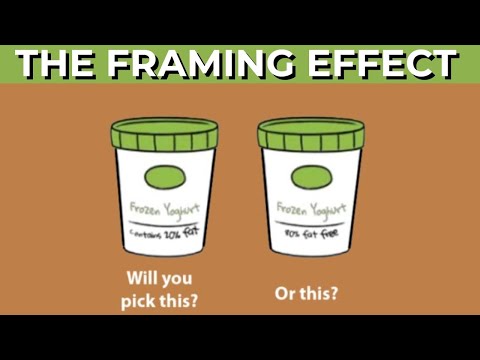
So, what’s happening here? When we’re faced with choices, our brains often look for shortcuts to help us decide. The framing effect taps into that instinct by emphasizing certain aspects over others—almost like wearing rose-colored glasses or seeing something through a gloomy filter. Imagine getting two identical ice cream cones: one described as “90% fat-free” and the other as “contains 10% fat.” Which one would you want? Most people would go for the first because, well, who wants to think about fat?
But it gets deeper than just food or jobs. This happens in politics, advertising, and even in friendships sometimes. Have you ever noticed how specific language can sway opinions? Think of a news report highlighting crime rates versus another focusing on community safety; both might tell facts but lead to very different feelings about your neighborhood.
It really makes you think about your own choices and how heavily influenced they might be by context. And I mean that’s not necessarily a bad thing—sometimes framing helps us see positives we might overlook otherwise! But being aware of it can really empower you in making decisions that align more with what *you* genuinely want.
In the end, understanding how context shapes our choices helps unravel our motivations and beliefs—because honestly, who wants to live life on autopilot? So next time you’re making a choice or feeling swayed by some slick packaging or wordplay, maybe pause for a sec and ask yourself: What’s really going on here?