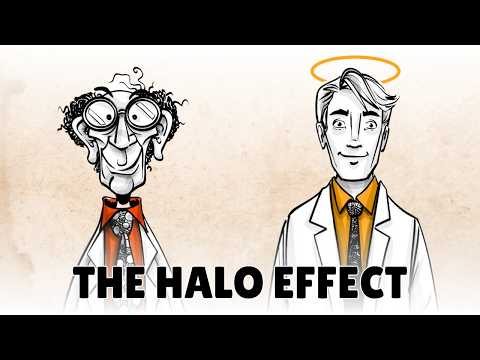
You know how sometimes you meet someone and instantly think they’re amazing? Like, maybe they just have this killer smile or a great vibe. That’s the halo effect in action.
Este blog ofrece contenido únicamente con fines informativos, educativos y de reflexión. La información publicada no constituye consejo médico, psicológico ni psiquiátrico, y no sustituye la evaluación, el diagnóstico, el tratamiento ni la orientación individual de un profesional debidamente acreditado. Si crees que puedes estar atravesando un problema psicológico o de salud, consulta cuanto antes con un profesional certificado antes de tomar cualquier decisión importante sobre tu bienestar. No te automediques ni inicies, suspendas o modifiques medicamentos, terapias o tratamientos por tu cuenta. Aunque intentamos que la información sea útil y precisa, no garantizamos que esté completa, actualizada o que sea adecuada. El uso de este contenido es bajo tu propia responsabilidad y su lectura no crea una relación profesional, clínica ni terapéutica con el autor o con este sitio web.
But then, there are times when you get bad vibes from someone right off the bat. You feel like they can’t be trusted, even if you don’t know them at all. That’s what we call the horn effect.
It’s wild how our brain plays tricks on us like that! These little biases can totally shape our perceptions and opinions, even without us realizing it.
Let’s chat about these two effects and see how they sneak into our everyday lives. You might find it pretty eye-opening!
Understanding the Halo and Horn Effect in Perception: Implications for Decision Making and Judgment
The Halo Effect and Horn Effect are interesting concepts that play a big role in how we see the world and how we make decisions. Basically, these are biases in our perception that can shape our opinions about people. The Halo Effect happens when you think someone is great in one area, and it makes you believe they’re awesome in other areas too. On the flip side, The Horn Effect is when you see a flaw in someone, and it unfairly colors all your other perceptions of them.
- The Halo Effect: Imagine you have a teacher who’s super friendly. Because of their warm vibe, you might also think they’re a brilliant educator, even if their teaching style doesn’t click with everyone.
- The Horn Effect: Picture this: You meet someone who seems rude at first. Now, every time you interact with them, even if it’s unrelated to their rudeness, you might find yourself thinking they’re just not that great overall.
So why does all this matter? Well, these effects can influence important decisions—like hiring someone or judging their abilities. Let’s say you’re interviewing someone for a job. If they have an impressive resume (that’s your halo!), you may overlook any red flags during the interview process. On the other hand, if they come across as nervous (the horn!), you might miss out on seeing their true potential because you’ve let that one impression cloud your judgment.
The interesting thing is how widespread these effects are! They pop up everywhere—from workplaces to social interactions to even things like movie reviews! Take video games for example: If a game has stunning graphics or an engaging story (that halo), players might ignore its bugs or glitches that could otherwise be annoying.
Another classic example involves celebrities. When we adore an actor for their roles in blockbuster movies (the halo), we may overlook their behavior in real life or bad choices they make off-screen. But if they trip up publicly (horn), suddenly every past performance comes under scrutiny too.
The implications of these biases are huge! Using awareness of the halo and horn effects can help us step back from our gut reactions and assess situations more objectively. It helps to remind ourselves that although first impressions matter—hey—they don’t tell the whole story.
And while it’s tempting to rely on quick judgments because they’re easy and comfortable , doing so can lead us astray from seeing things clearly!
At the end of the day, being aware of these effects helps us make better choices and foster deeper understanding of those around us. So next time you’re feeling strongly about something or someone—take a breath! Ask yourself if you’re falling into one of those tricky perceptual traps.
Oh, and just to be clear—this info isn’t meant as professional advice! If you’re wrestling with deeper issues related to perception or judgment—it might be helpful to chat with a licensed professional who can guide you through it properly.
Understanding the Halo Effect: A Comprehensive Guide to Perception Bias
The halo effect is one of those quirks of human psychology that can really mess with our perception. It’s when we let one positive quality of a person spill over into our overall impression of them. For instance, if someone is good-looking, we might also assume they’re smart or kind, even if we don’t have evidence to back that up. But there’s also the opposite side — the horn effect, where a negative trait clouds our view, leading us to think someone is not just rude but also incompetent.
Imagine you meet a new classmate. You think they’re super cool because they play guitar and seem funny. Suddenly, you might overlook them being a little late or disorganized in class work. That’s the halo effect rolling in! You feel impressed by their musical talent and let that shape your entire view of them.
On the flip side, think about someone who didn’t do well in school. If they accidentally cut you off in traffic one day, you may be quicker to label them as reckless or selfish — that’s the horn effect at play! You see just one trait and let it color everything else about that person.
Now, here’s where it gets interesting: these biases can impact decisions. They pop up everywhere — from hiring choices to how we perceive celebrities. When casting for a movie, directors might pick actors who have had success before because they feel an automatic trust in their abilities based on past performances. This can mean incredibly talented actors get overlooked simply because they haven’t “proven” themselves yet.
In games and sports too, this shows up big time! Think about how people often favor players with flashy stats or who made big plays last season even if their current form isn’t as great. Fans might ignore other players who are consistently good but less flashy because of this bias.
So why do we fall for these perception traps? One reason is our brains like shortcuts — it’s easier to connect dots than analyze every little detail about someone.
To sum up some key points:
- The halo effect: Positive qualities lead us to make favorable assessments.
- The horn effect: Negative traits skew our view towards more negatives.
- Impact on decisions: These biases affect judgments in everyday life like hiring and social situations.
- Can also appear in sports & games — people favor star players over consistent contributors.
- Our brains use shortcuts; it’s less effort than examining everything thoroughly!
Ultimately, being aware of these biases can help us make better choices and create fairer evaluations of those around us. Remembering that first impressions can be deceiving may lead you to dig a little deeper before drawing conclusions about others.
Understanding the Halo Effect vs. Horn Effect: Key Differences Explained
The Halo Effect and Horn Effect are two interesting psychological phenomena that shape how we perceive people. They can really twist our judgments about someone’s character or abilities based on a single trait, good or bad. Let’s break it down a bit, shall we?
The Halo Effect happens when you see something positive in one area and let that glow affect other areas. Like, think about a teacher you had who was incredibly charismatic. You probably thought they were great at everything – even if their math skills weren’t really that impressive! This effect makes people overlook flaws because they focus on the good stuff.
Conversely, the Horn Effect is just the opposite. It occurs when you spot a negative trait and let it color your entire view of someone. Picture a colleague who’s kind of rude in meetings. You might start to think they’re not very smart or capable at their job, even if they have solid work experience. That one bad habit creates an unfair shadow over their skills.
Let’s look at some key differences between these two effects:
- Origin: The Halo Effect springs from positive traits and influences perceptions positively; horn effect comes from negative traits leading to negative judgments.
- Impact: The Halo can boost someone’s reputation; the Horn can damage it fast.
- Examples in Life: Your friend might rave about a restaurant because of its cozy atmosphere (Halo), yet ignore its awful service (Horn).
But wait! It’s not just everyday life where these effects pop up. Even in entertainment—like video games—these biases sneak in, too! If you’ve ever thought a game was top-notch because of its amazing graphics, even if the gameplay was clunky? That’s the Halo Effect at play.
On the flip side, if you didn’t like a game’s graphics upfront and then assumed all aspects would be just as poor? Yep, that’s the Horn Effect hanging around.
To sum things up, both effects show how our brains can shortcut complex judgments into simple boxes—good or bad—sometimes unfairly so. And while understanding these effects is fascinating, remember: recognizing them doesn’t mean replacing professional help when needed.
It’s crucial for everyone to get past initial impressions and dig deeper into what others have to offer (or don’t). Being aware of the Halo and Horn Effects can really sharpen your perception and help you make fairer choices in life!
Alright, let’s talk about the halo effect and the horn effect. These are kinda like the good twin and the bad twin of how we see people, and honestly, they’re more common than you might think.
So, picture this: you meet someone who’s super friendly, maybe they smile a lot or have a charming way about them. You know what happens next? You start to think they’re also smart, funny, or talented—basically perfect in every way. That’s the halo effect kickin’ in. It’s like this sunny glow that radiates around a person because of one great quality. It feels nice to think that way, but it can totally skew our judgment.
Now flip that around for a second. Imagine meeting someone who just seems off—maybe they were rude or something didn’t sit right with you. Suddenly, you’re convinced they’re not only unfriendly but also incompetent or untrustworthy—hello horn effect! They could be brilliant at their job, but you’re too focused on that prickly first impression to see anything else.
I remember this one time in college when I met a guy who was incredibly good-looking and charming. Like everyone just gravitated towards him at parties. I thought he must be super intelligent too—funny how we do that! But then I partnered with him for a project and realized he struggled with basic concepts. It was such a wake-up call; I had let my admiration cloud my vision entirely.
Biases like these can really mess with our perceptions—creating unbalanced views of others based on limited experiences or traits. And there’s more! These effects tend to come into play everywhere: at work when hiring someone or even in schools judging students’ abilities based on behavior rather than skills.
But here’s the deal: being aware of these biases is half the battle! You can try to catch yourself before jumping to conclusions about someone just because their aura is bright or dull. Like any relationship takes time—it’s so important to give people space to show who they really are without those pesky halos or horns getting in the way.
So yeah, next time you meet someone new, take a moment before deciding how you feel about them. Maybe they’re not just a star shining bright—or lurking in shadow—but somewhere beautifully in between! How cool would it be if we allowed everyone to show us their real selves?