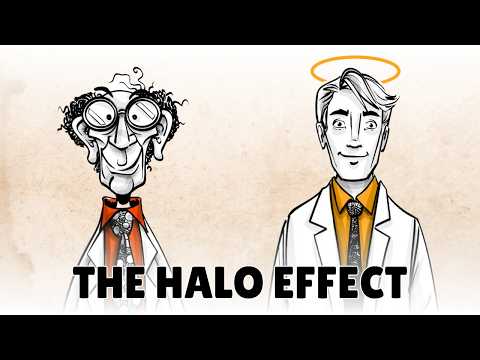
You know that feeling when you meet someone and just click? Like, they give off good vibes and suddenly, everything about them seems amazing? That’s the halo effect in action.
Este blog ofrece contenido únicamente con fines informativos, educativos y de reflexión. La información publicada no constituye consejo médico, psicológico ni psiquiátrico, y no sustituye la evaluación, el diagnóstico, el tratamiento ni la orientación individual de un profesional debidamente acreditado. Si crees que puedes estar atravesando un problema psicológico o de salud, consulta cuanto antes con un profesional certificado antes de tomar cualquier decisión importante sobre tu bienestar. No te automediques ni inicies, suspendas o modifiques medicamentos, terapias o tratamientos por tu cuenta. Aunque intentamos que la información sea útil y precisa, no garantizamos que esté completa, actualizada o que sea adecuada. El uso de este contenido es bajo tu propia responsabilidad y su lectura no crea una relación profesional, clínica ni terapéutica con el autor o con este sitio web.
It’s wild how a single positive trait can cast a glow over everything else. You might think, «Wow, they’re so friendly! They must be super smart too!» But, hold on a second.
This bias messes with our judgments, and it’s sneaky. It can totally change how we see people and even situations. So let’s chat about this fascinating little quirk of the mind and what it means for your everyday life. Sound good?
Exploring Halo Effect Bias: Examples and Insights on Perception and Judgment
The halo effect is one of those quirks of human psychology that can be both fascinating and a little bit baffling. Basically, it’s when our overall impression of a person influences how we feel and think about their character. You know, if someone’s really good-looking or super charming, you might just assume they’re also smart or kind. This is the halo effect at work.
What’s behind the Halo Effect? It all boils down to our brains trying to make quick judgments. When we see someone we like, our brain doesn’t stop to analyze every little thing about them. Instead, it creates this warm glow that can skew our perceptions—like wearing rose-colored glasses! This isn’t just some random thought; researchers have shown that this bias can affect everything from hiring decisions to grades in school.
Some key examples include:
- Job interviews: If a candidate arrives looking polished and well-spoken, interviewers might subconsciously rate them higher on skills or intelligence—even if their experience doesn’t match the vibe.
- Performance ratings in schools: Teachers may grade students more favorably based on their overall likeability rather than focusing solely on academic performance.
- Brand perception: You’ve probably noticed that people often gravitate toward brands with appealing logos or charismatic spokespeople. Just like real-life people, companies can benefit from the halo effect too!
Let me tell you a quick story that really illustrates this point. A friend of mine once met this guy at a party who was charming—like so charming he could probably sell ice to penguins! Everyone loved him right away, including my friend. She just knew he must be an amazing cook and probably had an impressive career. But when she got to know him better, turns out he could barely boil water! It made her laugh at how easily she fell for the halo effect.
The impact of the Halo Effect is pretty significant in everyday life. It shapes not only our personal relationships but also how we perceive authority figures and media personalities too! Just think about celebrity endorsements—if you love an actor’s role in a movie, there’s a good chance you’ll trust their opinions on products they promote, even if it makes no logical sense.
We’ve all got biases; it’s part of being human! But recognizing the halo effect can help you become more objective in your judgments and decisions. Seriously—it’s quite empowering when you start catching yourself slipping into these traps!
So next time you’re sizing someone up based on first impressions alone—ask yourself if you’re experiencing the halo effect. Seeing beyond that initial shine can lead to better understanding and deeper connections with others.
Oh, and before I forget: while it’s interesting stuff we’re discussing here, always remember that it doesn’t replace professional help for issues like judgment or perception challenges in your life or work situations. Keep exploring these ideas though—they’re definitely worth thinking about!
Understanding the Halo Effect: A Clear Example and Its Impact on Perception
The halo effect is one of those cool psychological concepts that can really change how we see the world around us. Basically, it’s when our overall impression of a person influences how we feel about their specific traits. So, if you think someone is super nice, you might also believe they’re smart or talented, even if you don’t have any proof. It’s like your brain forms this shiny halo around them!
Imagine you meet someone who’s charming and friendly at a party. Right away, you probably think they’re fun to be around, right? But then, later on, if they say something silly or make a mistake, you might brush it off because your initial impression was so positive. This is the halo effect in action! Your first warm vibe clouds your judgment.
- First Impressions Matter: When you meet someone new, your brain is quick to form an overall opinion based on limited information.
- Influences on Judgment: If that person is attractive or charismatic, it often leads to a more favorable view of their skills and intelligence.
- In Professional Settings: Employers might view an attractive candidate as more capable because of the halo effect. Crazy how looks can sway serious business decisions!
You know that feeling when you find a new game you totally love? Like “The Legend of Zelda”? Once you’ve had that epic first adventure with Link, everything else about the game – graphics, music and story – seems better just because your first experience was so awesome. The same thing happens with people! If they leave us with warm feelings initially, we often ignore their flaws afterward.
This concept doesn’t always play out positively; it can lead to serious biases too. For instance, a teacher might unfairly favor students who are polite or well-dressed while overlooking those who struggle but may actually have high potential. It’s all about that first impression again!
- The Downside: Favoritism in situations like hiring or grading can mean less qualified individuals succeed over potentially more capable ones due to bias.
- If You’re Aware: Recognizing the halo effect can help us strive for better objectivity in our views and judgments.
The thing is – while the halo effect shows how powerful our perceptions can be, it also reminds us that we need to stay aware of them. If you’re ever thinking «Wow, this person seems amazing!» pause for just a moment and consider—are you looking at the whole picture?
This awareness is crucial because our perceptions shape our interactions with others every day. And hey—if this stuff gets tricky or overwhelming personally? Chatting with a professional could really help clarify things further!
Understanding the Halo Effect: How Perceptions Shape Judgments in Psychology
The halo effect is one of those quirky tricks our brains play on us. Basically, it’s when we let one positive trait cloud our judgment about other traits. If you meet someone who’s super friendly, you might think they’re also smart or talented, even if you don’t really know them well. It’s like this invisible aura that colors our perceptions.
What does this mean for us? Well, it means that our judgments can be pretty skewed based on first impressions or standout characteristics. This can affect everything from hiring decisions to how we view celebrities or public figures.
- First impressions matter. Think about meeting someone new at a party. If they’re charming and funny, you might overlook some of their awkwardness because that initial charisma just shines through.
- The workplace is not immune. Imagine your boss loves the way you dress. Suddenly, they might think your ideas are brilliant just because you looked good in that meeting!
- It affects our relationships. You know when you see a couple where one person is just drop-dead gorgeous? It’s easy to assume the less attractive partner must have some amazing qualities too…which may not always be the case.
- The role of media. In video games—say a character possesses some epic skills in shooting but flops in strategy. Gamers often end up thinking this character’s strengths make them perfect overall, even if their weaknesses tell another story.
Let me share a quick story. A friend of mine once met a professor who was incredibly charismatic during lectures. She raved about his classes and believed he was an absolute genius! Later on, she discovered he didn’t actually have great teaching methods, but her initial excitement made her overlook those flaws completely.
This halo effect isn’t always bad! It can help create positive vibes around certain people or things. But it has its downsides too, like bias in making decisions or unfairly rating someone’s abilities based on one trait alone.
To wrap it up, while the halo effect can lead to positive feelings and connections, it’s essential to be aware of it so you don’t get blindsided by perception over reality. Keep an open mind and take time to see people for their whole selves rather than just their shiny surface!
And hey—this chat isn’t a substitute for professional advice! If you find yourself feeling overwhelmed by perceptions or judgments in your life, talking to a therapist could really help sort things out.
You know what’s interesting? The halo effect bias is one of those sneaky little things that can totally mess with our judgment. It’s like when you meet someone new, and they somehow give off this amazing vibe. Maybe they have a killer smile or are just super charming. So, you automatically start to think they’re great in every way—smart, funny, kind—you name it! But here’s the kicker: just because someone seems awesome in one area doesn’t mean they’re perfect everywhere else.
I remember meeting this guy at a friend’s party once. He was handsome, super friendly, and seemed really passionate about his job. Honestly? I thought he was the whole package! But later on, I found out he had some questionable work ethics and wasn’t as reliable as I’d initially believed. It’s wild how my first impression clouded my judgment about him, right?
What happens is our brains kind of shortcut things because we want to feel good about our assessments. It simplifies life a bit—if we like someone for their looks or charisma, we assume all their other traits must be equally stellar. But that can lead to some pretty big mistakes in how we perceive others.
This bias isn’t just limited to people either—think about brands or products! You might love a particular brand because of one item they offer, and then you end up thinking everything from them is top-notch without checking further.
So here’s the thing: being aware of the halo effect can help you step back a bit when making judgments. It’s all about checking yourself and maybe asking if your perception is based on solid evidence or just that warm fuzzy feeling you got from someone’s good looks or charm.
In the end, giving people a fair shot means seeing them for who they really are—beyond that glittery surface! You with me?


