You know that feeling when your mind is racing? Like a hamster on a wheel, going nowhere fast? Yeah, I’ve been there too.
Este blog ofrece contenido únicamente con fines informativos, educativos y de reflexión. La información publicada no constituye consejo médico, psicológico ni psiquiátrico, y no sustituye la evaluación, el diagnóstico, el tratamiento ni la orientación individual de un profesional debidamente acreditado. Si crees que puedes estar atravesando un problema psicológico o de salud, consulta cuanto antes con un profesional certificado antes de tomar cualquier decisión importante sobre tu bienestar. No te automediques ni inicies, suspendas o modifiques medicamentos, terapias o tratamientos por tu cuenta. Aunque intentamos que la información sea útil y precisa, no garantizamos que esté completa, actualizada o que sea adecuada. El uso de este contenido es bajo tu propia responsabilidad y su lectura no crea una relación profesional, clínica ni terapéutica con el autor o con este sitio web.
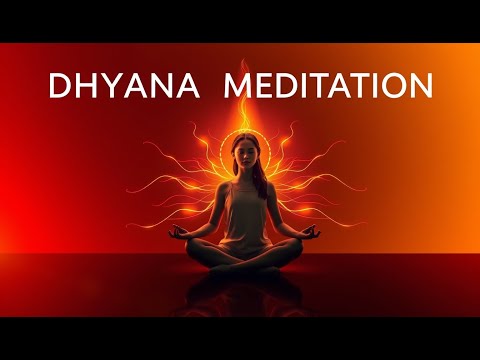
But let me tell you about something that can really turn that chaos into calm—dhyana meditation. Seriously, it’s like hitting the reset button for your brain.
Imagine finding that sweet spot of focus and mindfulness, where everything just clicks. Sounds dreamy, right? It’s not just some new age buzzword; it’s an old practice with some serious benefits.
So if you’re curious about how to chill out and sharpen your focus, stick around. We’re diving into the world of dhyana meditation together!
Understanding the 4 Stages of Dhyana and Their Impact on Mental Clarity
Dhyana meditation, often seen as a path to mindfulness and focus, unfolds through four distinct stages. Each stage is like leveling up in a game: the more you practice, the clearer your mind becomes. Let’s break it down.
Stage 1: Pratyahara
In this initial stage, you’re pulling back from all the outside noise. Think of it as muting background distractions in your favorite game. You focus inward, which helps you become aware of your thoughts and sensations without being overwhelmed by them. You might notice your breath or even the way your body feels against the ground.
Stage 2: Dharana
Here’s where concentration really kicks in. It’s like honing in on a target during an intense game session—your mind starts to settle on one single point of focus using an object or mantra. This might be your breath again, or perhaps a sound that resonates with you. The trick is to keep that focus steady while gently nudging away wandering thoughts.
Stage 3: Dhyana
This is the core of Dhyana meditation! Your concentration flows effortlessly now; it feels natural and you’re immersed in a state of awareness and deep contemplation. Imagine being completely absorbed in an amazing story or game; time seems to melt away! You feel a connection not just with yourself but with everything around you.
Stage 4: Samadhi
Finally, we reach this profound state—the ultimate merging with consciousness itself. It’s like winning the game of life! Here, distinctions between self and other fade away, leading to mental clarity that feels freeing and enlightening. Some describe it as pure bliss or contentment—imagine finishing that challenging level and feeling accomplished beyond words!
Now let’s talk about mental clarity. Engaging in these stages can bring about several benefits:
- Improved Focus: Regularly practicing Dhyana can help sharpen your attention span.
- Stress Reduction: As you become more mindful, stress tends to lessen because you’re less reactive.
- Enhanced Emotional Regulation: With greater awareness comes better control over emotions.
- Cultivation of Compassion: Many find that connecting deeply with themselves opens their hearts to others.
But remember, while these practices can significantly benefit mental clarity, they’re not a replacement for professional help when needed! It’s important to recognize where additional support might be necessary.
In essence, mastering these four stages isn’t just about sitting quietly; it’s about engaging fully with life! As you progress through Dhyana meditation, you’ll likely find yourself more present and clear-minded both on and off the mat—and who wouldn’t want that?
Understanding Dhyana Meditation: Techniques, Benefits, and Psychological Insights
Dhyana meditation is a fascinating practice that’s all about cultivating mindfulness and focus. It’s rooted in ancient traditions, but it really holds up today as an effective way to enhance your mental well-being. You might be wondering, what makes Dhyana different from other types of meditation? Well, let’s get into it.
What is Dhyana Meditation?
Dhyana is often described as a state of deep meditation. It goes beyond just sitting quietly; it’s about being fully present and aware of your thoughts without getting tangled up in them. You could think of it like playing a video game where you have to focus intently on what’s happening on the screen. If you get distracted, you lose the game!
Techniques for Practicing Dhyana
There are several techniques that can help you get started with Dhyana:
- Find Your Space: Look for a quiet spot where you can sit comfortably without distractions.
- Posture: Sit cross-legged or in any position that feels good for you, keeping your back straight.
- Focus on Your Breath: Pay attention to your breathing. Inhale deeply through your nose and exhale through your mouth.
- Meditative Visualization: Picture a calm environment or an object and keep your mind anchored there.
- Acknowledge Thoughts: As thoughts pop up (and they will!), acknowledge them without judgment and then return to your focus.
It might sound simple, but even seasoned practitioners find their minds wandering at times.
The Benefits of Dhyana Meditation
Why should you give this a shot?
- This technique helps improve concentration and attention spans. Think of it as practicing for a big game where you need every ounce of focus.
- Stress Reduction:A regular practice can lead to lower stress levels as it encourages relaxation responses in the body.
- Anxiety Relief:You might notice fewer anxious thoughts creeping in as mindfulness becomes more natural for you.
- Improved Emotional Health:Dhyana helps foster better self-awareness and emotional regulation. It’s like leveling up your emotional skills!
I remember when I first started meditating; I’d sit there thinking about dinner or my to-do list instead of focusing on my breathing. But over time, I realized those distractions were just part of the journey!
Psychological Insights
From a psychological perspective, Dhyana resonates with ideas like mindfulness and acceptance. By practicing regularly, you’re learning how to observe rather than react—to feel emotions without being overwhelmed by them.
It also taps into something called “meta-cognition”—that’s just a fancy term for thinking about thinking. You start noticing not just what you’re thinking but why you’re thinking it! Imagine having two characters in that video game—the player (you) and the watcher (yourself observing). This separation helps develop healthier responses to life’s challenges.
In the end, integrating Dhyana meditation into daily life doesn’t mean avoiding reality; instead, it’s embracing each moment fully while building resilience against stressors that come our way.
Remember though: while this can be very helpful for personal growth and mindfulness, it doesn’t replace professional mental health support if you’re facing deeper issues or struggles. Always consider reaching out for help if needed.
So there you have it—Dhyana meditation is not only an ancient practice but also a modern tool that can enhance your life substantially! Give it a try and see how adding some quiet reflection time changes things up for you!
Dhyana Yoga: Enhancing Psychological Well-Being Through Meditation Practices
Dhyana Yoga is a fascinating approach that combines meditation and mindfulness, focusing on enhancing your psychological well-being. You know what? It’s like hitting the reset button for your mind.
Dhyana meditation means focusing deeply and maintaining awareness. This practice isn’t just about sitting in silence, although that’s part of it. It encourages you to develop mindfulness and sharpen your ability to concentrate. Imagine playing a video game where you need complete focus to conquer levels—similar vibes here!
The whole idea behind this practice is pretty straightforward: you sit comfortably, close your eyes, and guide your thoughts towards a single point of reference, like your breath or a mantra. This might sound easy, right? But let me tell you, it’s a workout for the mind!
Here are some key points about Dhyana Yoga:
- Mental Clarity: Regular meditation helps clear mental clutter. It’s like cleaning out a junk drawer; once everything’s organized, it feels so much better!
- Stress Reduction: Who doesn’t want less stress? Engaging in Dhyana can lower cortisol levels (that pesky stress hormone). One session might help reduce feelings of anxiety.
- Emotional Stability: Practicing mindfulness can boost your emotional resilience. Picture yourself being able to bounce back from challenges like a super bouncy ball—sounds fun, huh?
- Improved Focus: If you find it hard to concentrate—like when you’re trying to read but keep scrolling through social media—meditation can be a game changer.
- Self-Discovery: Dhyana encourages self-reflection. It’s kinda like looking into an emotional mirror where you get to know yourself better.
Remember that moment when you felt overwhelmed with too many thoughts swirling around in your head? That’s where Dhyana comes in handy! Think of it as clearing away the branches from a view—you finally see the big picture.
But before jumping into any new practice, it’s crucial to note that Dhyana Yoga isn’t going to replace professional help if you’re struggling with significant issues. It’s complementary! Some people find that integrating these meditation practices alongside therapy works wonders.
What happens next is pretty cool! By committing time each day or week for Dhyana meditations—maybe start with just five minutes—you may notice changes in how you respond to life’s ups and downs.
In short, Dhyana Yoga is all about tuning into yourself and lifting those mental weights off your shoulders. It’s an empowering journey towards better psychological health while cultivating mindfulness and focus along the way! So why not give it a shot? You might surprise yourself with what you discover!
So, let’s chat about Dhyana meditation. What is it, right? Well, it’s a type of meditation that really digs deep into mindfulness and focus. You know, when we hear about meditation, most of us probably think of people sitting cross-legged and humming some mystical tune. But honestly, there’s so much more to it.
Dhyana is all about becoming fully present in the moment. It’s like taking a break from all the noise in your head and just… being. I remember a time when I was juggling work deadlines and personal stuff—it felt like my mind was a circus on steroids! One evening, I decided to try out Dhyana meditation—just closing my eyes and focusing on my breath. At first, it felt strange and honestly a little boring. But after a few minutes, something clicked. My mind began to quiet down.
The process usually starts with finding somewhere comfortable to sit or lie down. You breathe deeply and then sharpen your focus on one thing—maybe your breath or even a mantra you keep repeating. It might sound simple but wow does it take practice! Seriously, our minds are like hyperactive puppies chasing after every little thought.
The beauty of Dhyana isn’t just about chilling out; it’s like giving your brain a mini workout! When you meditate this way regularly, you begin to notice improvements in how you concentrate throughout the day. Who doesn’t want that? It’s like someone flicked on the lights in a dimly lit room—suddenly everything’s clearer.
You know what’s wild? Studies have shown that practicing mindfulness can lead to reduced stress levels too. Yeah! In my own experience after those few sessions of Dhyana meditation, I started feeling calmer overall—even during hectic work days. It felt empowering!
Now, don’t get me wrong—it’s not always easy at first. Some days you’ll feel like you’re making zero progress and your mind will just wander off on its own adventure (and probably forget where it’s headed). That’s normal! It’s part of the journey toward cultivating awareness.
But here’s the kicker: with consistency comes growth! The more you engage with Dhyana meditation, the more skills you develop in focusing both in meditation and everyday life—a real win-win situation if you ask me!
All things considered, embracing practices like Dhyana might not change our chaotic world overnight but they can totally shift how we navigate through it every day—and isn’t that comforting? So give it a shot when you can; allow yourself that space to breathe and be present for just a little while each day—you deserve it!