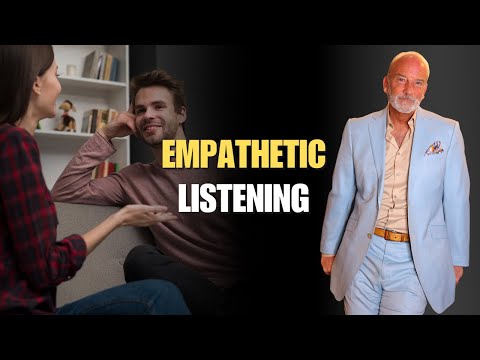
You know how sometimes conversations just flow? Like, you’re really connecting with someone, and it feels amazing. That’s what empathetic listening can do for you.
Este blog ofrece contenido únicamente con fines informativos, educativos y de reflexión. La información publicada no constituye consejo médico, psicológico ni psiquiátrico, y no sustituye la evaluación, el diagnóstico, el tratamiento ni la orientación individual de un profesional debidamente acreditado. Si crees que puedes estar atravesando un problema psicológico o de salud, consulta cuanto antes con un profesional certificado antes de tomar cualquier decisión importante sobre tu bienestar. No te automediques ni inicies, suspendas o modifiques medicamentos, terapias o tratamientos por tu cuenta. Aunque intentamos que la información sea útil y precisa, no garantizamos que esté completa, actualizada o que sea adecuada. El uso de este contenido es bajo tu propia responsabilidad y su lectura no crea una relación profesional, clínica ni terapéutica con el autor o con este sitio web.
Imagine this. You’re chatting with a friend who’s going through a tough time. Instead of just nodding along, you actually tune in. You get what they’re feeling. It’s like magic!
But let’s be real—it’s not always easy. We get caught up in our own thoughts or are just unsure how to really listen and support someone.
What if I told you there are some simple ways to step up your listening game? You can create real, meaningful connections that make both you and the other person feel valued. Trust me; it changes everything!
So, let’s take a look at some examples of empathetic listening that can help you connect on a deeper level. Ready? Let’s go!
Building Deeper Connections Through Empathic Listening: Techniques and Benefits
Building deeper connections with others can be pretty rewarding, right? One powerful way to do this is through empathetic listening. It’s not just about hearing what someone says; it’s about really “getting” them and their feelings. Let’s break down what empathetic listening is all about and how you can use it to enhance your relationships.
What is Empathetic Listening?
Empathetic listening is more than just nodding along while someone talks. It means fully engaging with their words, emotions, and experiences. You’re not just hearing the information—you’re tuning in to their feelings too, which makes them feel seen and understood.
Why Does It Matter?
When you listen empathetically, you create a safe space for people to express themselves. This builds trust and strengthens connections. Think of it like a game of capturing hearts; the more you engage genuinely, the more bonds you forge.
Here are some key techniques to practice:
- Be Present: Put away distractions. Seriously, that phone can wait! Show you’re interested by making eye contact and nodding along.
- Ask Open-Ended Questions: Instead of yes or no questions, try asking things like “How did that make you feel?” This opens doors for deeper conversations.
- Reflect Back: After they share something important, paraphrase what you’ve heard. You could say something like, “So what I’m hearing is that you felt overwhelmed by your work situation.” This shows you’re tuned in.
- Acknowledge Their Feelings: Sometimes just acknowledging someone’s feelings can make a world of difference. You might say something like, “That sounds really tough; I can see why you’d feel that way.”
- Avoid Problem-Solving Right Away: Often when someone shares a problem, our instinct is to jump in with solutions. But sometimes they just want to vent! Let them express before offering advice.
An Example from Everyday Life:
Imagine a friend comes to you upset about losing their job. Instead of saying, «You should just get another one,» try asking how they’re feeling about it first. Listen carefully as they share their worries—maybe they’re scared or confused about what comes next. Responding with empathy could sound like this: “I can imagine how stressful this must be for you.” Just doing this fosters a stronger emotional connection.
The Benefits of Empathic Listening:
When practiced consistently, empathic listening offers some awesome benefits:
- Bonds Strengthen: The more deeply you connect with others through empathic listening, the closer your relationships will become.
- Conflict Resolution: Understanding someone’s perspective helps ease tensions and resolve conflicts more effectively.
- A Greater Sense of Community: When people feel listened to in a group setting—like at work or among friends—they often engage better.
In the end, it boils down to being genuinely interested in other people’s thoughts and feelings. Sure, it’s not always easy; we’ve got our own lives buzzing around us! But taking a moment here and there to truly listen can transform those relationships into something meaningful.
Remember though—while learning these techniques is great for building connections with friends and family (and maybe even in your workplace), if you’re dealing with deeper emotional issues yourself or others are struggling significantly—that’s where professional help comes in handy!
So go ahead! Give empathetic listening a shot—it’s amazing how much it can elevate your interactions!
5 Everyday Examples of Empathy and Their Impact on Relationships
Empathy is like the secret sauce in relationships, you know? It’s that special ingredient that helps us connect more deeply with others. So, let’s take a look at some everyday examples of empathy and how they can really help our connections with friends, family, and even strangers.
1. Active Listening
Picture this: you’re chatting with your friend who’s going through a tough time. Instead of just nodding along, you lean in and really pay attention to what they’re saying. You ask questions like “How did that make you feel?” This kind of listening shows you care. It makes the other person feel valued, which strengthens your bond. It’s basically saying, “Hey, your feelings matter to me!”
2. Sharing Personal Experiences
When someone opens up to you about a challenge they’re facing, sharing a similar experience can be comforting. Like maybe a time when you felt overwhelmed at work or had an argument with a loved one. By doing this, you’re not just saying “I understand,” but also showing them they’re not alone in their struggles. It builds trust and intimacy—you get each other on another level.
3. Non-Verbal Cues
Body language speaks volumes! Sometimes it’s not just what we say but how we say it that counts. Imagine you’re sitting across from someone who’s upset; your softened gaze or the way you nod can convey empathy without any words at all. These tiny gestures—like leaning forward or making eye contact—send the message: “I’m here for you.” It creates a safe space where people feel comfortable sharing their thoughts.
4. Thoughtful Gestures
Little acts of kindness can go a long way! Let’s say your coworker has been stressed about deadlines; surprising them with their favorite coffee might just brighten their day! Or if a friend mentions feeling lonely, sending them an uplifting text or inviting them out for dinner shows that you’ve been thinking of them. These gestures are sweet reminders that they have support around them.
5. Validation of Feelings
Sometimes people just want their feelings acknowledged rather than fixed! If your sibling tells you they’re nervous about an upcoming event, instead of diving into solutions right away, try validating their feelings first: “It makes sense to feel anxious about this.” Doing this allows them to feel heard and opens the door for deeper discussions later on.
So there it is—a few everyday examples where empathy shines bright! The impact on relationships? Well, it’s pretty significant! When we practice empathy—through listening actively or offering validation—we create deeper connections filled with understanding and trust.
Remember though, while these tips are super helpful in day-to-day life, they don’t replace professional help when it’s needed! So if things get heavy or complicated in real life—reach out to someone who can provide support properly!
Understanding Deep Listening: A Practical Example and Its Impact on Communication
Imagine sitting across from a friend who just had a rough day. They pour their heart out, and you find yourself nodding along, maybe even chiming in with «I totally get it.» But hold up! That’s not quite deep listening. It’s more like surface-level engagement. So what does deep listening really look like?
Deep listening is all about being fully present in the moment. It’s not just hearing the words but actually connecting with the emotions behind them. Think about it this way: when you play a game like charades, you’re not just watching the person act out clues; you’re trying to understand their feelings and the context of the game to guess correctly.
Here are some ways deep listening can transform your conversations:
- Focus on Body Language: Notice your friend’s facial expressions or gestures. Are they tense or relaxed? This helps you grasp their emotional state.
- Avoid Interrupting: It’s tempting to jump in with your own experiences or advice, but let your friend finish first! This shows that you value what they’re saying.
- Ask Open-Ended Questions: Questions like «How did that make you feel?» invite deeper discussions rather than yes-or-no answers.
- Reflect Back: Repeat back what you’ve heard with empathy. You might say, “It sounds like you felt overwhelmed,” which shows you’re paying attention to their feelings.
- Acknowledge Emotions: Validate their feelings by saying things like, “It’s completely understandable to feel that way.”
Let me share a quick personal story: One time my buddy was really stressed about work. Instead of jumping in with my own struggles, I just listened, nodded, and encouraged him to go on. By the end of our conversation, he told me how much lighter he felt just by sharing his thoughts without any interruptions. That experience made me realize how powerful deep listening can be!
So why does this matter? Well, when you practice deep listening:
- You Build Trust: It lets people know they can be vulnerable around you.
- You Strengthen Relationships: Real connections come from understanding others deeply.
- You Reduce Misunderstandings: When people feel heard, they’re less likely to misinterpret intentions.
In essence, deep listening isn’t just about being quiet while someone talks—it’s an active process involving our full attention and openness. Remember that it takes practice and patience to master this skill! If you ever find yourself struggling with active listening or need extra support navigating complicated emotions in conversations, consider reaching out for professional help.
So next time you’re chatting with someone who needs an ear, try diving into the depths of their feelings instead of skimming across the surface—you might be amazed at how enriching those conversations can become!
Have you ever found yourself talking to a friend, pouring out your heart, and instead of feeling heard, you just feel… kind of shrugged off? It’s a bummer, isn’t it? Sometimes, when we chat with people, it’s like they hear the words but not the feelings behind them. That’s where empathetic listening comes into play.
So, what’s empathetic listening, anyway? Well, it’s that magical mix of actually hearing what someone says and getting where they’re coming from emotionally. Imagine sitting down with your buddy who just got dumped. Instead of jumping in with your own horror stories about bad breakups (which is totally tempting), you lean in closer and say something like, “Wow, that really sucks. How do you feel about it?” That small shift can transform the conversation. You’re not just listening to their words; you’re tuning into their feelings.
I remember this one time when my sister was going through a tough spot at work. She was stressed out and overwhelmed. Instead of my usual “Just toughen up!” response (yeah, I know… not super helpful), I decided to try something different. I asked her how she felt about her situation and then just let her talk. It was incredible how much lighter she felt after sharing! Just knowing someone truly cared and wanted to understand made all the difference.
Empathetic listening isn’t rocket science; it’s more like looking at things through someone else’s eyes for a moment—or at least trying to! A good practice here is reflecting back what you’ve heard. So if your friend says they’re anxious about a big presentation at work, you might respond with something like: “It sounds like you’re really worried about how it’ll go.” Simple! But man, does it show that you’re not only listening but also processing their emotions.
You might think there’s no way this could lead to deeper connections—like really? But trust me on this one! When you give someone the space to express themselves without judgment or interruption, it’s like building an invisible bridge between your hearts. You start connecting on a level that’s so much more than surface chit-chat; it’s genuine and real.
Let’s be honest—it can be hard sometimes. There are moments when you might want to jump in with advice or share your own experiences instead of just hanging back and being present for them. But taking that step back can create such beautiful moments of connection.
In the end, empathetic listening isn’t just about having amazing conversations; it’s about showing up for each other when life gets messy. So next time you’re chatting with someone who seems like they could use an ear—remember: sometimes all they need is for you to listen with your heart wide open!