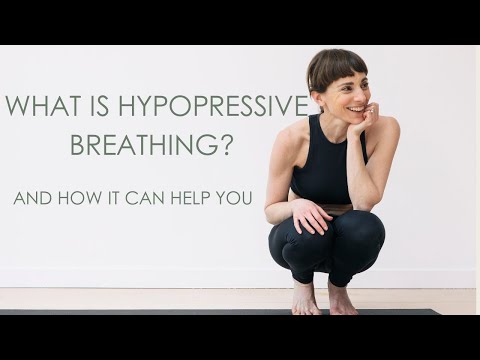
Okay, so let me tell you about this thing called hypopressive breathing. It might sound fancy, but it’s really just a super cool way to breathe.
Este blog ofrece contenido únicamente con fines informativos, educativos y de reflexión. La información publicada no constituye consejo médico, psicológico ni psiquiátrico, y no sustituye la evaluación, el diagnóstico, el tratamiento ni la orientación individual de un profesional debidamente acreditado. Si crees que puedes estar atravesando un problema psicológico o de salud, consulta cuanto antes con un profesional certificado antes de tomar cualquier decisión importante sobre tu bienestar. No te automediques ni inicies, suspendas o modifiques medicamentos, terapias o tratamientos por tu cuenta. Aunque intentamos que la información sea útil y precisa, no garantizamos que esté completa, actualizada o que sea adecuada. El uso de este contenido es bajo tu propia responsabilidad y su lectura no crea una relación profesional, clínica ni terapéutica con el autor o con este sitio web.
I mean, think about it. We all breathe every day, right? But what if I told you there’s a method that can actually change how you feel and function?
Picture this: you’re stressed out—maybe work is driving you nuts or life feels kinda heavy. You take a deep breath and suddenly feel a bit lighter. Yeah, that’s the power of proper breathing!
Hypopressive techniques focus on engaging your core while breathing in a totally different way. Sounds wild? It’s pretty awesome!
So, are you curious how this can help with everything from posture to stress relief? Stick around; we’re about to explore some seriously cool benefits!
Exploring the Benefits of Hypopressives for Improved Breathing and Mental Focus
Breathing is something we do automatically, but have you ever thought about how important the way you breathe can be? It turns out that hypopressive breathing techniques can really help improve not only your breathing but also your mental focus. So, what’s the deal with these techniques?
Hypopressives are all about using low pressure in your core while doing specific postures. Imagine holding in your stomach while you breathe in through your nose; it’s a bit like trying to pull in your belly button toward your spine. When you do this, it creates a negative pressure in your abdomen, which can help tighten up those muscles that might be a little lazy.
Here’s why that’s awesome:
- Improved Lung Capacity: By focusing on how you breathe, you can open up those lungs and take deeper breaths. This means more oxygen! Seriously, deep breaths make such a difference.
- Better Posture: Many of us slouch at our desks or when we’re glued to our phones. Hypopressives encourage good posture naturally because the techniques require alignment of your body.
- Mental Clarity: You might notice sharper focus after practicing hypopressives. With increased oxygen flow and better postural alignment, that foggy brain could clear right up!
- Stress Reduction: Ever feel overwhelmed? It happens to the best of us! Hypopressive breathing calms down the nervous system and helps reduce anxiety levels.
Now let’s get personal for a second. I remember when I was stressed out during exams. It was like my brain turned to mush! The first time I tried these breathing exercises, I was amazed at how much calmer I felt afterward. Just taking those few moments to focus on my breath helped me push through my anxiety and concentrate better.
And guess what? You don’t need to be an expert to start practicing hypopressives. You can easily find tutorials online or even join classes if you prefer a guided experience. But remember: if you’re struggling with any health issues or serious stress problems, it’s always smart to touch base with a healthcare professional before diving in headfirst.
In the end, exploring these techniques could lead to benefits that touch multiple parts of life—from physical wellness to mental sharpness. So why not give it a go? You just might find yourself feeling more centered and focused than ever before!
Common Mistakes in Hypopressives: Understanding the Psychological Factors Behind Them
So, let’s talk about hypopressives, a breathing technique that’s got people buzzing with excitement. But, you know what? Like anything else, it’s super easy to make mistakes when you’re trying something new. And those mistakes often stem from psychological factors that we might not even realize are at play.
First off, what exactly are hypopressives? They’re basically a series of postures and breathing exercises designed to create negative pressure in the abdomen. This technique can help strengthen your core and pelvic floor muscles. Sounds good, right? But getting there isn’t always smooth sailing.
- Perfectionism: A lot of people dive into hypopressives wanting to nail every aspect right away. This intense desire for perfection can actually lead to frustration or quitting altogether when things don’t go perfectly.
- Lack of Understanding: Sometimes, folks jump into these techniques without fully grasping how they work. Imagine trying to play a new game but skipping the tutorial—yeah, you’d probably end up confused! It’s vital to get the basics before going full throttle.
- Stress and Anxiety: Psychological stress can mess with your ability to focus on your breathing and body posture. When you’re anxious or stressed, it’s hard to relax and do those exercises properly. Think about trying to meditate while your mind is racing—doesn’t work so well!
- Social Comparisons: In today’s world of social media, it’s tough not to look at others’ progress and feel inadequate. You might find yourself comparing your journey with someone else’s highlight reel, leading you into a spiral of self-doubt.
- Misinformation: There’s loads of info out there—some good, some not so much. If you follow bad advice or myths about hypopressives, you could end up doing more harm than good.
Here’s where it gets real: emotions can really influence how well you perform these techniques. If you’re feeling frustrated or overwhelmed before starting your session, will you really be able to give it your all? Probably not! It reminds me of when I tried learning a complicated board game; my friends were all excited but I was just stressed out by all the rules.
In the end, it’s essential to approach hypopressives with curiosity rather than pressure. Allow yourself room for exploration without judging every move. Try focusing on what feels good rather than how «perfect» it looks.
And remember: if you’re ever feeling lost or overwhelmed by this stuff—or any other self-improvement techniques—it may be worth consulting a professional who can guide you through the process safely and effectively. Having support makes all the difference!
Optimal Frequency for Practicing Hypopressives: A Guide to Effective Implementation
There’s something really intriguing about hypopressives, right? These breathing techniques can really help with core stability and have a bunch of other benefits too. If you’re thinking about getting into hypopressive exercises, you might wonder how often you should practice them for maximum effect. Let’s break this down.
1. Start slow. If you’re new to hypopressives, start with just 2 to 3 sessions a week. Seriously, think of it like leveling up in a game. You wouldn’t jump right into the hardest level without some practice first. It’s all about getting your body accustomed to the movements and breathing patterns.
2. Gradually increase. After a few weeks, if you feel comfortable, add another session or two. Many people find that practicing around 4 to 5 times a week feels pretty optimal for them. And hey, this doesn’t have to take forever! You can fit it into about 15-20 minutes each time.
3. Listen to your body. Here’s the thing: everyone is different. Some people might get great results from practicing every day, while others could start feeling fatigued or overwhelmed if they do it too often. It’s important to pay attention to how your body responds.
4. Mix it up. You don’t have to do the same routine every time either! Switching up your techniques keeps things fresh and prevents boredom—like changing characters in a game when you start getting tired of one.
5. Maintain consistency. Once you’ve found what works for you, stick with it! Regular practice is key for seeing real benefits over time; think of it as building muscle—the more consistent you are, the stronger you’ll get.
And here’s a little tip: many practitioners find group classes super helpful at least occasionally since these classes provide motivation and encouragement from others who are on similar journeys.
So remember, while hypopressives can be amazing for your body and core strength (not to mention its potential effects on posture and pelvic floor health), they aren’t a substitute for professional guidance or medical advice if you’re dealing with specific health issues. Always chat with a healthcare provider before jumping in headfirst—just like checking strategies before entering a new game level!
In essence, enjoying the journey matters just as much as aiming for those core gains! You got this!
You know, I’ve been hearing a lot about breathing techniques lately. Seriously, it’s like everywhere you look—social media, wellness blogs, even my yoga class! One technique that caught my attention is hypopressive breathing. And honestly, the more I learned about it, the more intrigued I became.
So here’s the scoop: hypopressive breathing is all about creating negative pressure in your abdomen by using specific postures and controlled breath patterns. Wow, right? Basically, it’s this method designed to strengthen your core and pelvic floor muscles while also boosting your overall well-being. It can help with things like improving posture and even enhancing athletic performance. Who wouldn’t want that?
I remember talking to this friend of mine who started practicing hypopressives after having her second baby. She used to struggle with some of the physical changes that come after pregnancy—leaks when she laughed or sneezed and feeling like her core was just… well, not what it used to be. But after sticking with hypopressive exercises for a few months, she noticed a real difference! She said it felt like rediscovering her body in some way—it was really inspiring.
Anyway, what’s cool about these techniques is that they focus on both physical and mental health. You have to concentrate on your breath (which is hard sometimes), but at the same time you’re engaging your muscles. That combination can really bring a sense of calmness and clarity too. It’s almost meditative when you get into it.
The thing is, though, not everyone knows how to do hypopressives right off the bat. You might feel a bit awkward at first trying to figure out those poses while holding your breath (you with me?). But once you get the hang of it – wow! The benefits can be pretty remarkable.
So if you’re curious about something new or looking for a way to connect deeper with your body, why not give hypopressive breathing a shot? At least just try it once! Just remember: it’s all about being gentle with yourself during the process; changes don’t happen overnight.
In the end, whether you’re into fitness or just want to feel better in your daily life, harnessing this technique could be worth it! Who knows? It might just become one of your favorite go-to practices too!