Hey there! So, let’s chat about something super cool: HRV breathing techniques. You might be wondering, what’s that all about?
Este blog ofrece contenido únicamente con fines informativos, educativos y de reflexión. La información publicada no constituye consejo médico, psicológico ni psiquiátrico, y no sustituye la evaluación, el diagnóstico, el tratamiento ni la orientación individual de un profesional debidamente acreditado. Si crees que puedes estar atravesando un problema psicológico o de salud, consulta cuanto antes con un profesional certificado antes de tomar cualquier decisión importante sobre tu bienestar. No te automediques ni inicies, suspendas o modifiques medicamentos, terapias o tratamientos por tu cuenta. Aunque intentamos que la información sea útil y precisa, no garantizamos que esté completa, actualizada o que sea adecuada. El uso de este contenido es bajo tu propia responsabilidad y su lectura no crea una relación profesional, clínica ni terapéutica con el autor o con este sitio web.
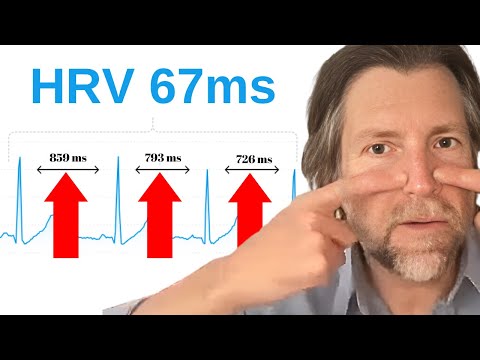
Well, HRV stands for heart rate variability. It’s all about how your heart beats at different rates, and it can give you a glimpse into your overall health and stress levels. Pretty neat, huh?
I mean, imagine if you could actually change how your body reacts to stress just by controlling your breath. It sounds simple but believe me, it can make a world of difference!
Ever felt overwhelmed or anxious? Yeah, we all have those days. What if I told you that a few deep breaths could help calm those racing thoughts? Seriously!
So stick with me as we explore these breathing techniques together. After all, everyone could use a little more calm in their life!
Effective Breathing Techniques to Enhance Heart Rate Variability (HRV)
Breathing techniques can seriously change the way your body feels and reacts, let’s talk about how they can enhance heart rate variability (HRV).
Heart rate variability, or HRV, is just a fancy way of saying how much your heart rate fluctuates over time. A higher HRV usually means a healthier heart and nervous system. Basically, it shows how well your body can adapt to stress. You with me?
Now, here’s where breathing techniques come into play. By focusing on your breath, you can boost HRV and improve overall well-being. Let’s break down some effective methods:
- Diaphragmatic Breathing: This involves breathing deeply into your belly rather than just your chest. Imagine filling a balloon with air—your stomach should rise as you inhale and fall as you exhale. Practice this for a few minutes daily.
- Box Breathing: Picture a box in front of you. Inhale for four counts, hold for four counts, exhale for four counts, then hold again for four counts before repeating. This rhythmic pattern calms the nervous system.
- Nasal Breathing: Stick to breathing through your nose instead of your mouth. This helps regulate airflow and encourages deeper breaths.
- 4-7-8 Breathing: Inhale for 4 seconds, hold your breath for 7 seconds, then exhale slowly to an 8 count. It’s like hitting the reset button on stress!
Let me tell you a quick story: I was feeling pretty stressed out one evening after work—like many people do! Instead of reaching for my phone or snacking mindlessly like usual, I tried the box breathing technique while sitting on my couch. It was surprising how quickly my racing thoughts settled down after just a few rounds! My heart felt more at ease; I was definitely calmer afterward.
Another cool thing about these techniques is that they can be done anywhere—totally portable! Whether you’re waiting in line or stuck in traffic (not that we want that), just take a few moments to focus on your breath.
But remember, while these breathing exercises are great tools to help improve HRV and overall health, they’re not substitutes for professional medical advice or treatment if you need it.
Wrapping it up nicely—boosting your HRV through effective breathing techniques is doable and super beneficial! The key is consistency; practice regularly to feel those positive changes over time. Ahhh, breathe easy!
Exploring the Reasons Doctors Overlook Heart Rate Variability in Patient Care
So, heart rate variability (HRV) is kind of a big deal, but surprisingly, many doctors don’t always pay attention to it in patient care. This might make you wonder: why would they overlook something so important? Well, let’s break it down.
HRV Basics
First off, what is HRV anyway? Simply put, it’s the variation in time between your heartbeats. Think about it like this: if your heart beats closely together all the time, it’s like playing a video game on easy mode—there’s not much struggle. But a healthy heart beats with rhythm and variety—it’s more like playing on hard mode where you have to adapt quickly.
Reasons for Overlook
There are a few reasons why doctors might miss the boat when it comes to HRV:
- Lack of Awareness: Many medical professionals aren’t trained to interpret HRV data. If they didn’t learn about it in school or during their residency, it just might not be on their radar.
- Time Constraints: Let’s face it: doctors are busy. They often have tight schedules packed with back-to-back patients. Sometimes they focus more on immediate issues rather than diving into what HRV could tell them.
- Complexity of Data: Interpreting HRV isn’t as straightforward as A-B-C. It involves pretty intricate algorithms and software that might seem daunting to some practitioners.
- Lack of Standardization: Since there isn’t a universal standard for measuring and interpreting HRV across all medical practices, some doctors may just skip it entirely because they’re unsure how to incorporate it into their care routines.
The Benefits of Monitoring HRV
Even though there’s this gap in awareness and practice, understanding your HRV can actually open up avenues for better health management.
For example:
– Higher HRV is generally linked with good physical health and resilience against stress.
– Low HRV can indicate stress or even potential heart issues down the line.
Seriously! Keeping track of your HRV can be like having your own personal coach that helps you steer clear of burnout or anxiety.
Breathing Techniques
Now here’s where things get really interesting—breathing techniques. You know those moments in life when everything feels overwhelming? Well, whether you’re getting ready for an exam or dealing with family drama, practicing controlled breathing can help increase your HRV.
For instance:
– Try inhaling deeply through your nose for a count of four.
– Hold that breath for four counts.
– Then exhale slowly through your mouth for eight counts.
This technique not only calms you down but can result in an increased heart rate variability over time!
In the end, while it’s clear that many doctors may overlook HRV due to various reasons—from lack of training to hectic schedules—it’s essential that we advocate for its inclusion in patient care. If you’re curious about your own HRV, monitoring devices and apps exist! Just remember though: this knowledge doesn’t replace professional help; think of it as an extra layer in managing your health toolkit.
So next time someone mentions heart rate variability? You’ll know exactly what they’re talking about!
Navy SEAL Breathing Techniques for Better Sleep: A Practical Guide
So, you’re curious about Navy SEAL breathing techniques and how they can help you catch some quality Z’s, huh? Well, let’s talk about it! Breathing properly isn’t just for relaxation; it can actually help you fall asleep faster and improve your overall sleep quality. This is where the idea of Heart Rate Variability (HRV) breathing comes into play.
What’s HRV breathing? It’s basically a way to control your breath to regulate your heart rate and calm your mind. When you’re stressed, your heart rate tends to be pretty erratic. Getting into a more stable rhythm can help you relax, which is great when you’re trying to hit the hay.
Alright, let’s break down a simple but effective technique inspired by those Navy SEALs:
- 4-7-8 Breathing: Inhale through your nose for 4 seconds. Hold that breath for 7 seconds. Then exhale through your mouth for 8 seconds. Try this cycle about four times. You’ll notice that it helps chill out your nervous system.
- Box Breathing: Imagine a box in your mind! Inhale for 4 seconds, hold for 4 seconds, exhale for 4 seconds, and hold again for another 4 seconds. Repeat this several times until you feel relaxed. This technique is all about creating balance—you know, like finding that perfect equilibrium in video games.
- Nasal Breathing: Also known as diaphragmatic breathing! Breathe in deeply through your nose so your belly expands—not just your chest—and then exhale slowly through the mouth or nose. This type of breathing activates the parasympathetic nervous system—the part of you that calms down!
Breathwork not only lowers heart rate but also shifts blood flow from the muscles towards more critical systems like digestion and sleep regulation—pretty neat if you ask me!
To give you an emotional example: imagine lying awake at night after a tough day or maybe worrying about tomorrow’s commitments? It can feel like you’re tangled in mental webs. Using these techniques could help smooth out some of those jagged edges and prepare you for sleep.
Oh! And here’s something cool: by practicing these techniques regularly—not just before bed—you might find improvements in daily stress management too! They’re not only good for sleep but also helpful during high-pressure situations like giving presentations or even before jumping into that next video game level where you’re going up against fierce competition.
Now it’s essential to remember that while these techniques are super useful, they’re not a replacement for professional help if you’ve got serious issues sleeping or anxiety levels that are off the charts!
Basically, give yourself some time to play around with these breathing methods before calling it quits on them. It may take a bit to figure out what works best for you but stick with it—you’ve got this!
You know, I’ve been hearing a lot about HRV breathing techniques lately. It’s like everyone’s talking about them as if they hold the key to relaxation, stress management, and even improving overall health. And honestly? It got me curious.
I remember a time when I was feeling completely overwhelmed. Picture this: I had a million things on my plate—work deadlines, family obligations, and life just throwing curveballs at me left and right. It felt like I was juggling those glow-in-the-dark bowling pins while riding a unicycle on a tightrope, you know what I mean? But then I stumbled upon some breathing exercises that promised to help with stress and anxiety through something called heart rate variability—or HRV for short. The concept sounded a bit fancy at first but bear with me.
So here’s the deal. HRV basically measures the time between your heartbeats. When you’re relaxed and chillin’, there’s more variation in that time; when you’re stressed or anxious, it tends to be pretty steady (like your heart’s in panic mode). Breathing techniques can actually help increase that variability by influencing your body’s autonomic nervous system. Basically, you learn how to tap into your breath to manage your mind and body better.
I tried it out one evening after work when everything felt heavy on my shoulders. I sat down somewhere comfy, closed my eyes, and focused on taking deep breaths in and out. At first, it felt awkward—like trying to follow an Instagram dance challenge without knowing the moves! But then something clicked: my body started to feel lighter. That chaotic mental chatter began quieting down as I focused solely on the rhythm of my breath.
And guess what? After just a few minutes of this focused breathing? My heart felt steadier; the wave of anxiety started receding like an ocean tide pulling back from the shore. It hit me how something so simple could produce such noticeable change. This isn’t just hocus-pocus; there’s real science backing it up!
Using HRV breathing techniques regularly could really be beneficial for those moments where life gets overwhelming—like having an emotional life jacket ready for choppy waters. Plus, it doesn’t take long or require any special equipment—just you and your breath.
While I’m still figuring out how consistent I can be with these practices day-to-day, I’ve come to appreciate their power when life seems too much sometimes. Harnessing our breath is like finding this little reset button we often forget we have!
You with me on this one? Seriously—next time you’re feeling frazzled or just need a breather (pun intended), why not give those techniques a shot? Your heart (and mind!) might thank you later!